


A Beginner’s Guide to 3D Printing: Getting Started with Filaments
If you’ve ever marveled at the possibilities of 3D printing, you’re not alone. From hobbyists to professionals, this extraordinary technology has opened doors to creativity and innovation like never before. Whether you want to create a custom toy, design a unique tool, or bring your artistic visions to life, 3D printing can help you achieve your goals. One of the most crucial elements in this process is understanding the different types of filaments available. So, let’s dive into the colorful world of filaments and help you get started!
What Is 3D Printing, Anyway?
Before we get into the nitty-gritty of filaments, let’s quickly recap what 3D printing is. Simply put, 3D printing is a way to create three-dimensional objects by laying down successive layers of material. This process allows users to produce items from a digital design file, often referred to as a 3D model. It’s like magic, but instead of a wand, you need a 3D printer, a bit of creativity, and your filament of choice!
The Basics of Filaments
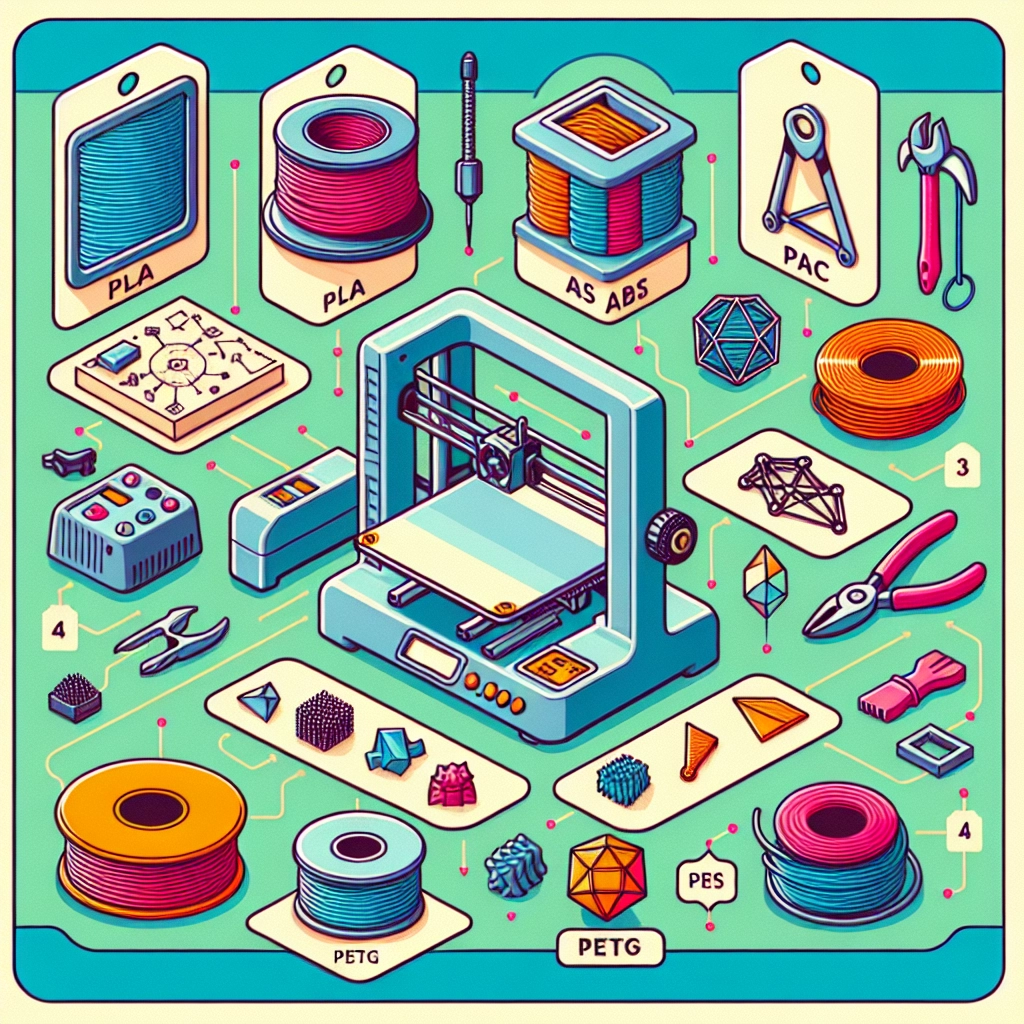
Filaments are the materials that feed into your 3D printer to create objects. They come in various types, each with unique properties and uses. Choosing the right filament can make a world of difference in the final product’s appearance, strength, and durability. Here are some of the most popular filament types you’ll encounter:
1. PLA (Polylactic Acid)
PLA is an excellent starting choice for beginners, and it’s incredibly popular for a good reason. Made from renewable resources like cornstarch, it’s biodegradable and less toxic than some other materials. PLA is easy to print with, adheres well to the printing surface, and produces vibrant colors. It’s perfect for models, prototypes, and decorative items. However, one thing to keep in mind is that PLA isn’t the best option for items that will be exposed to heat or moisture, as it can soften or deform under higher temperatures.
2. ABS (Acrylonitrile Butadiene Styrene)
ABS is another widely used filament known for its toughness and flexibility. It’s the same material often used to make LEGO bricks, so you know it’s durable! However, it does have some quirks. Printing with ABS can be a bit trickier than PLA due to the tendency to warp during cooling. It also requires a heated bed and can emit fumes while printing, which is something to keep in mind if you’re working in a small or unventilated space. That said, its resilience makes it suitable for functional parts and toys that might undergo rough handling.
3. PETG (Polyethylene Terephthalate Glycol)
If you’re looking for a middle ground between PLA and ABS, PETG might just be your go-to option. It combines the best of both worlds: it’s relatively easy to print like PLA but offers increased durability and resistance to heat like ABS. PETG is perfect for creating functional prototypes, containers, and even parts that may experience some wear and tear. Plus, it’s recyclable, making it a more eco-friendly option.
4. TPU (Thermoplastic Polyurethane)
For those looking to experiment with flexible prints, TPU is the way to go. This filament is ideal for creating items that need to bend or stretch, such as phone cases, wearable devices, or even fun toys. However, printing with TPU can be a bit more challenging due to its flexibility, which may cause feeding issues in some printers. If you’re ready to tackle the learning curve, the results can be incredibly rewarding!
Color and Texture: The Fun Part
One of the exciting aspects of choosing filament is the sheer variety of colors and finishes available. From metallics to glow-in-the-dark options, the possibilities are nearly endless! Many suppliers offer shades that can match any creative vision, allowing you to customize your prints to your liking. Don’t hesitate to mix and match filaments; using multiple colors can enhance the visual appeal of your designs.
Getting Started
Now that you have an idea about different filaments, how do you get started? Most importantly, when choosing a filament, ensure it’s compatible with your specific 3D printer model. Each printer has different capabilities and requirements, so it’s essential to do your research. Once you’ve picked your filament, download or create a 3D model, set your printer up, and let the magic unfold!
3D printing is a delightful journey filled with trial and error, but that’s part of the fun! As you experiment with different filaments, you’ll not only learn about their unique properties but also discover your style and preferences along the way. Whether you’re printing for a project, a gift, or just for fun, each layer you create brings you closer to something unique and all your own. Happy printing!