


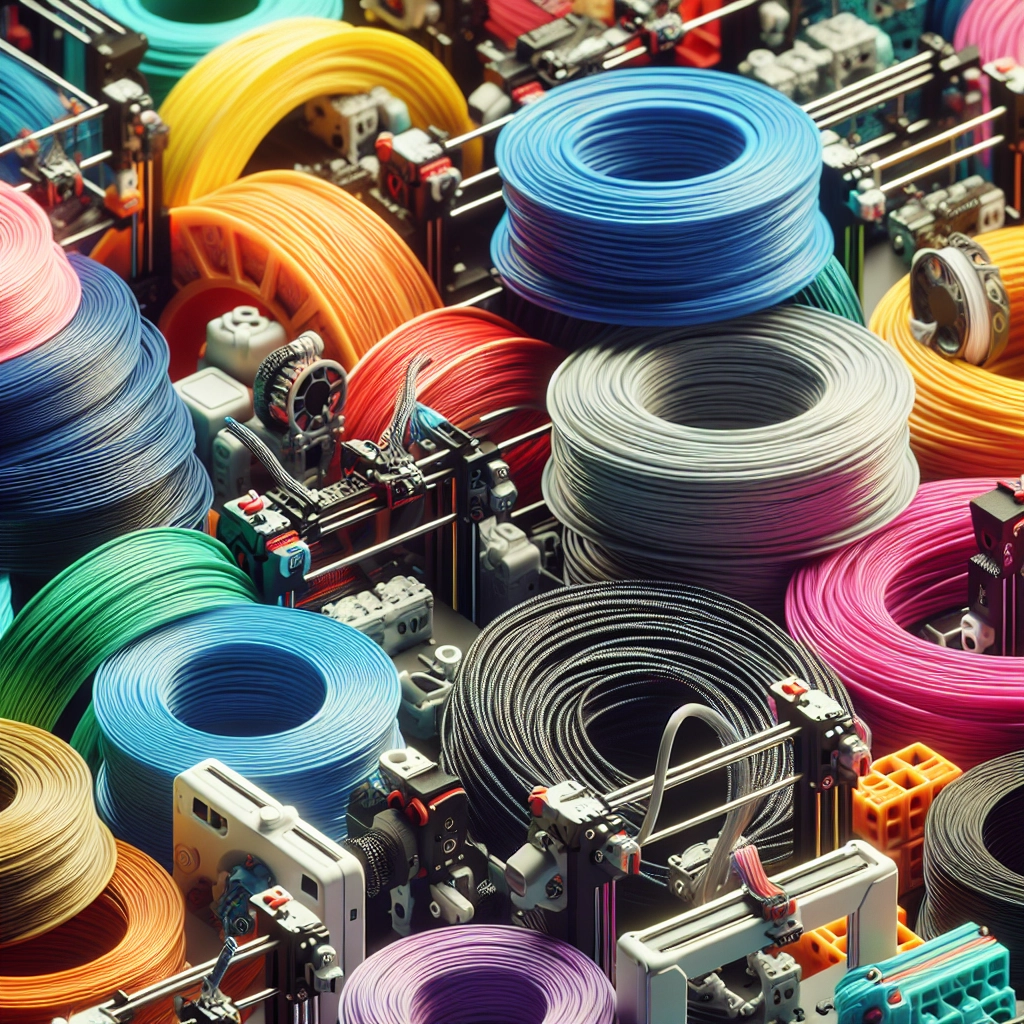
Exploring the Compatibility of Different Filaments with 3D Printers
3D printing has revolutionized the way we create objects, allowing hobbyists and professionals alike to bring their ideas to life. One of the most exciting aspects of 3D printing is the variety of materials, or filaments, available on the market. Each filament has its unique properties, which can influence the final outcome of your printed design. But not all filaments play well with every printer. So, how do you navigate the compatibility of different filaments with your 3D printer? Let’s dive in!
Understanding Filament Types
Before jumping into compatibility, it’s essential to understand the primary types of filaments available. Here are a few of the most popular ones:
-
PLA (Polylactic Acid): This is perhaps the most commonly used 3D printing material. PLA is biodegradable, easy to use, and doesn’t require a heated bed, making it perfect for beginners. Its lower melting temperature means it works well with most consumer-grade printers.
-
ABS (Acrylonitrile Butadiene Styrene): Known for its durability and flexibility, ABS is often used in industrial applications. However, it requires higher temperatures to print and may warp, so it’s better suited for printers equipped with a heated bed and an enclosed print chamber.
-
PETG (Polyethylene Terephthalate Glycol): A step up from PLA in terms of strength, PETG is also quite user-friendly. It balances durability and ease of use and works well with many printers. It does require a heating element to prevent warping, but not as high as ABS.
-
TPU (Thermoplastic Polyurethane): This flexible filament is great for printing rubber-like materials. However, it can be tricky to work with due to its elasticity, which can clog nozzles if not properly set up.
-
Nylon: Known for its toughness, Nylon is used in applications that require higher strength and flexibility. However, it can absorb moisture from the air, so it needs to be stored properly and typically requires a printer with higher capabilities.
Printer Specifications and Settings
Now that we know the basic types of filaments, let’s look at what makes a 3D printer compatible with these materials. Each filament has its recommended temperature range, and using a filament outside of its optimal range can lead to poor print quality or failed prints altogether.
-
Nozzle Temperature: Each type of filament has a specific melting point. For instance, PLA typically requires a nozzle temperature between 190°C and 220°C, while ABS needs around 220°C to 250°C. Make sure your printer can accommodate these temperatures.
-
Bed Temperature: Many filaments benefit from a heated bed. PLA doesn’t necessarily require it, but it can help with adhesion. On the other hand, ABS usually needs a heated bed to minimize warping, typically around 90°C to 110°C.
-
Print Speed: Different filaments have different characteristics regarding how quickly they can be printed. For example, flexible filaments like TPU often require a slower print speed to avoid issues such as stringing or jamming.
-
Cooling: PLA loves cooling. Many users employ fans to help it cool quickly after extrusion, while ABS prefers a slower cooling process to help prevent warping.
Printer Capabilities and Modifications
Not every 3D printer can manage all types of filament successfully. For those interested in working with a wider range of materials, it might involve some printer modifications.
-
Upgrade Your Hotend: If you plan to experiment with high-temperature filaments like Nylon or some specialty materials, an all-metal hotend might be necessary to reach the required temperatures.
-
Consider an Enclosure: For materials like ABS and Nylon that are sensitive to temperature fluctuations, an enclosure can provide a stable environment, reducing the risk of warping.
-
Nozzle Size: Some filaments, especially those mixed with materials for effective printing (like carbon fiber-infused filaments), may require hardened steel nozzles due to their abrasive nature.
Final Thoughts
Navigating the world of 3D printing can be an adventure, especially when it comes to choosing the right filament for your printer. Understanding the unique properties of each material, along with your printer’s capabilities, will help you create stunning and functional prints. So, whether you’re crafting a decorative item with PLA or pushing the limits with Nylon, remember to enjoy the process of experimentation. In this remarkable journey of creativity, the ultimate goal is not just to create but to learn and grow along the way. Happy printing!