


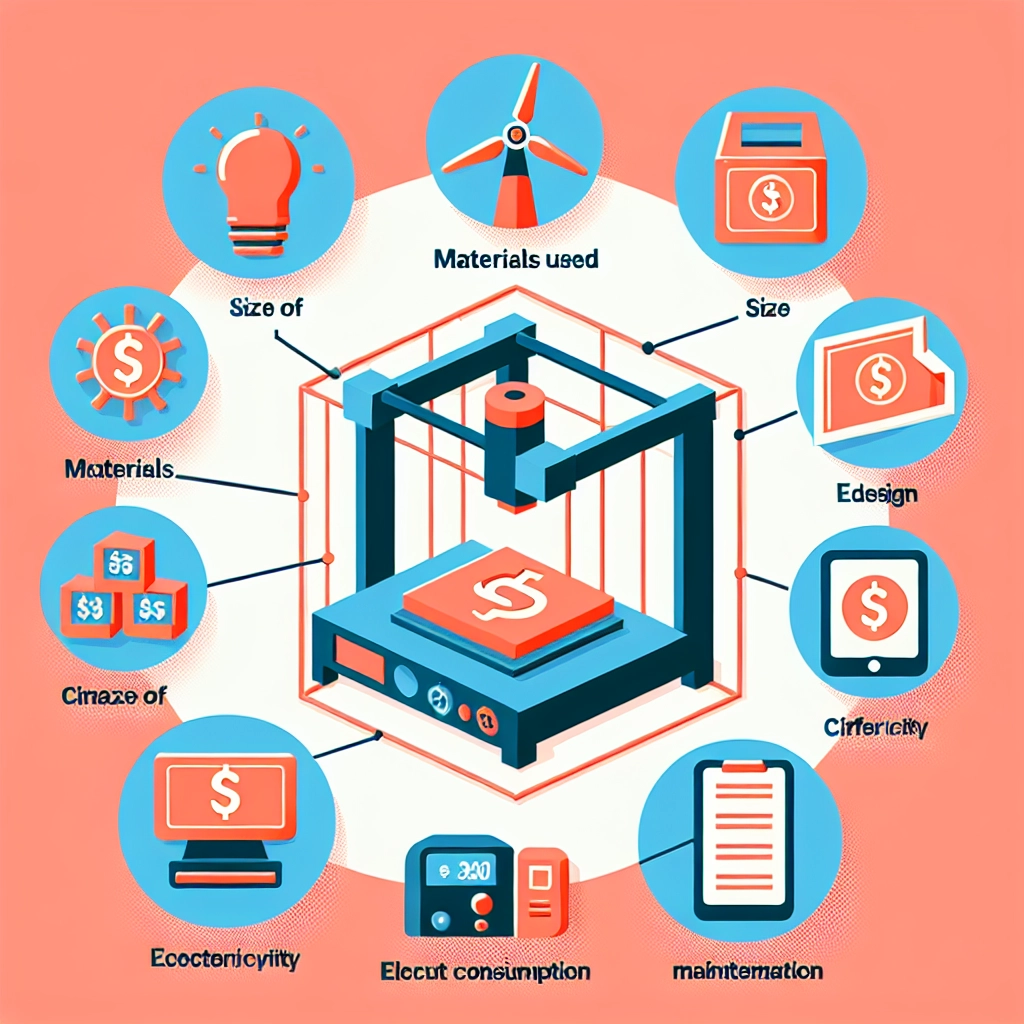
Understanding the Cost Factors in 3D Printing Projects
3D printing has revolutionized how we think about design and manufacturing, offering creative possibilities that traditional methods can’t match. Whether you’re a hobbyist printing prototypes or a small business producing final products, it’s essential to grasp the cost factors involved in 3D printing projects. Let’s break this down into manageable bites so that when you embark on your next printing endeavor, you’re equipped to make informed decisions.
Material Costs
One of the most significant cost factors in any 3D printing project is the material itself. Common materials include PLA, ABS, PETG, and resin, each with their own price points and properties.
- PLA (Polylactic Acid): Best for beginners, it’s plant-based and relatively inexpensive—usually around $20 to $40 per kilogram.
- ABS (Acrylonitrile Butadiene Styrene): More durable than PLA but requires a heated bed and emits fumes during printing. Prices range from $20 to $50 per kilogram.
- Resins: For SLA printers, resin can be a bit pricier and ranges from $30 to $150 per liter depending on the type and brand.
When budgeting for your project, make sure to factor in potential waste. If a print fails (which happens even to the best of us), you’ll need to account for the material lost during the process.
Printer Costs
Next, consider the printer itself. The market is inundated with options, suitable for all budgets. Entry-level desktop printers can start as low as $200, while high-end ones, like industrial machines, can run into the tens of thousands.
When considering the cost of a printer, think about:
- Print quality: Typically, more expensive printers produce better quality prints.
- Speed: High-end printers may offer faster printing speeds, saving you time on larger projects.
- Features: Consider features like heated beds, dual extrusion, or automatic calibration, which might justify the cost of a more expensive model.
Remember, investing in a more robust printer can pay off in reduced operational costs over time, especially for businesses.
Operational Costs
Don’t overlook the hidden costs of running your 3D printer. These include electricity, maintenance, and wear-and-tear.
- Electricity: Depending on the size and duration of your print, running a printer can consume a fair amount of electricity. For larger or long-running projects, calculate the estimated consumption to better understand costs.
- Maintenance: Regular maintenance is crucial for keeping your machine in good shape. This includes lubricating the moving parts, cleaning the print bed, and replacing worn-out components. Budgeting for these occasional expenses can save you from unexpected costs down the line.
Software and Design Costs
While many beginners might not initially consider software costs, they can add up, especially if you require premium programs. There are plenty of free software options for CAD and slicing, but they may lack some of the advanced features of paid software.
- Programs like Fusion 360 or SolidWorks come with a learning curve but offer extensive functionalities that can streamline your design process. On the other hand, if you plan to outsource design services or hire a designer, these costs can considerably spike your budget.
Labor Costs
If you’re running a business, labor costs can’t be ignored. Whether you’re paying someone to design, manage the printing process, or post-process finished products, it can add a significant chunk to your project budget.
If it’s a personal project, this may be less of a concern, but time is still a cost. If you find yourself spending countless hours troubleshooting a print or fiddling with settings, consider if your time could be better spent on other creative endeavors.
Post-Processing Costs
Once your print is complete, you may need to finish it to achieve the desired look. Post-processing can involve sanding, painting, or even assembling parts. If your project requires a high-quality aesthetic, think about these additional materials and time that may be needed.
Final Thoughts
Navigating the cost landscape of 3D printing can feel a bit overwhelming at first, but once you break it down into its components, it becomes much more manageable. By considering material choices, printer quality, operational expenses, software costs, labor, and post-processing, you can create a budget that fits your project’s needs.
Whether you’re printing for fun or for profit, understanding these costs empowers you to make smarter decisions that will support your creative ambitions without breaking the bank. Happy printing!