


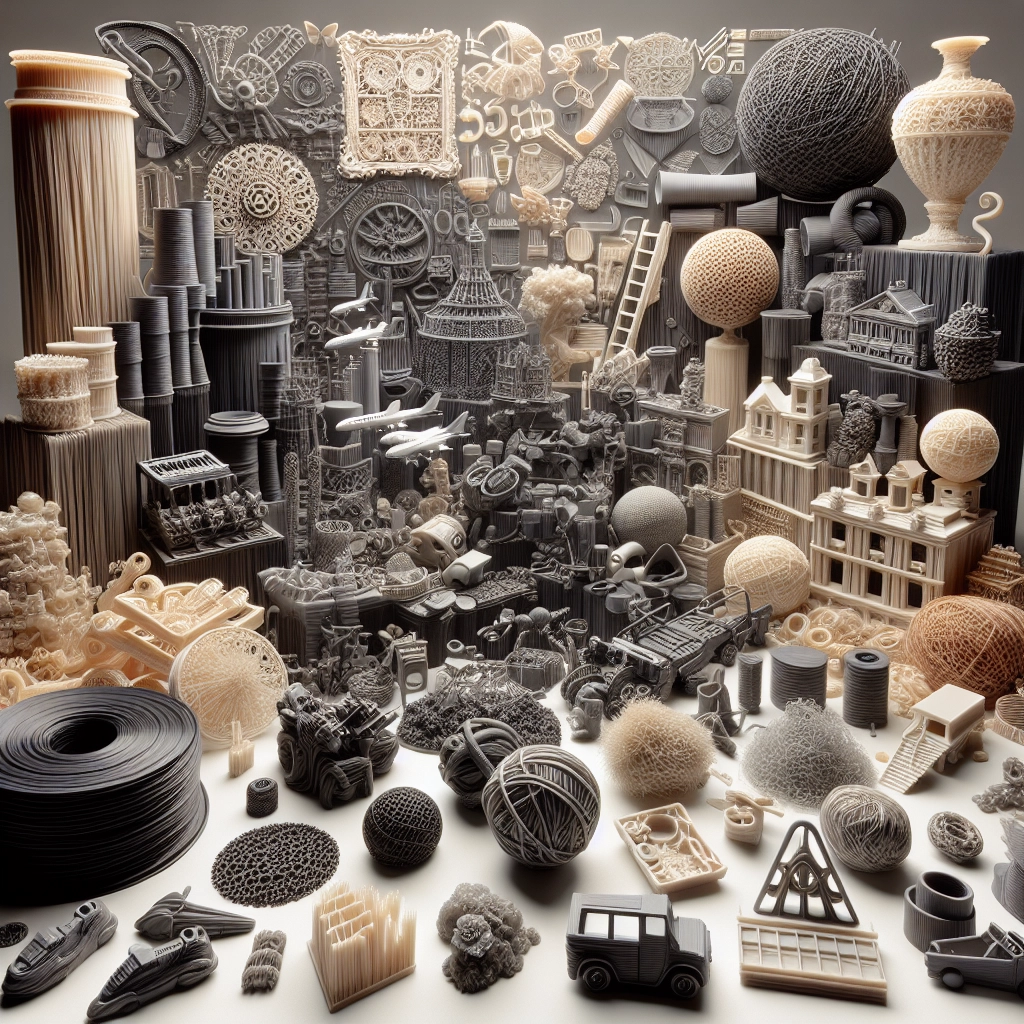
Exploring the Versatility of PLA vs. ABS Filaments
3D printing has become a fascinating realm for creators, hobbyists, and professionals alike. With a variety of materials available, it’s easy to feel overwhelmed by choices. Among the most popular are PLA (Polylactic Acid) and ABS (Acrylonitrile Butadiene Styrene) filaments. Each comes with its unique qualities and applications, making them staples in the world of 3D printing. So, let’s dig a bit deeper into these two materials and explore what makes them tick.
The Basics: What Are PLA and ABS?
Before diving into the nitty-gritty, let’s clarify what PLA and ABS actually are. PLA is a biodegradable thermoplastic made from renewable resources like cornstarch or sugarcane. This gives it a significant eco-friendly edge over ABS, which is a petroleum-based plastic known for its robust strength and versatility.
Both filaments have their pros and cons, and choosing the right one often depends on your project’s specific needs.
PLA: The Eco-Friendly Choice
PLA is often the go-to filament for beginners in 3D printing. One of the most appealing aspects of PLA is its ease of use. It has a lower melting temperature, typically around 180-220°C, which means you can print it with less energy, and it adheres well to the print bed, reducing warping issues. Plus, it emits a sweet, corn-like smell while printing (which is quite pleasant, if you ask me!).
Because of its biodegradable nature, PLA is an excellent choice for environmentally-conscious makers. You can create stunning prints without worrying about contributing to plastic pollution. It’s perfect for drafting prototypes, making intricate models, or even crafting quirky decorative items.
However, PLA does have its downsides. It can be brittle and less durable than ABS, making it less than ideal for functional parts that require toughness and heat resistance. It can also deform under high temperatures, limiting its use in applications exposed to heat, like near a car dashboard.
ABS: The Strong and Durable Contender
If PLA is the friendly beginner, ABS is the seasoned veteran in the 3D printing game. Known for its strength, toughness, and heat resistance, ABS is the material of choice for creating durable items such as automotive parts and household goods like LEGO bricks. The recommended print temperature starts around 210°C and can go up to 260°C, which gives it a slightly higher threshold for heat compared to PLA.
One of the most significant advantages of ABS is its ability to withstand impact, making it ideal for functional prototypes that must endure daily wear and tear. Unlike PLA, ABS can be easily sanded or smoothed, and it can handle bonding with other substances quite well.
However, it’s not all sunshine and rainbows with ABS. It can release fumes that some people find unpleasant, and, importantly, it’s less eco-friendly than PLA, which can be a deciding factor for conscious consumers. Additionally, it is more prone to warping during the printing process, which requires a well-calibrated printer and, often, a heated print bed.
Which One Should You Choose?
So, how do you decide between PLA and ABS? It all comes down to what you’re planning to create. If you’re just starting and want to experiment, PLA is a perfect choice. You can effortlessly print out models, which means less headaches and faster results. It also makes for beautiful finished products thanks to its smooth finish and vibrant colors.
On the other hand, if your projects demand durability, resistance to heat, and a little more toughness, then ABS is hard to beat. Just be prepared to navigate the printing process a bit more carefully, as it will require a well-equipped setup.
Finding Common Ground
Interestingly, many 3D printing enthusiasts often find they have a mix of both PLA and ABS in their toolkit, using them interchangeably depending on the project at hand. The versatility of these materials means you can tackle a wide range of creations—from artistic displays to rugged functional parts.
In the end, the debate over PLA vs. ABS isn’t so much about which one is better, but rather which one is better for your unique needs. Whether you lean towards the eco-friendliness of PLA or the resilience of ABS, there’s no denying that both filaments have a place in the ever-evolving world of 3D printing. Exploring their versatility opens up endless possibilities—challenging your creativity while helping you produce remarkable works of art or functional designs. Just remember: the best filament is the one that meets the requirements of your next great idea!