


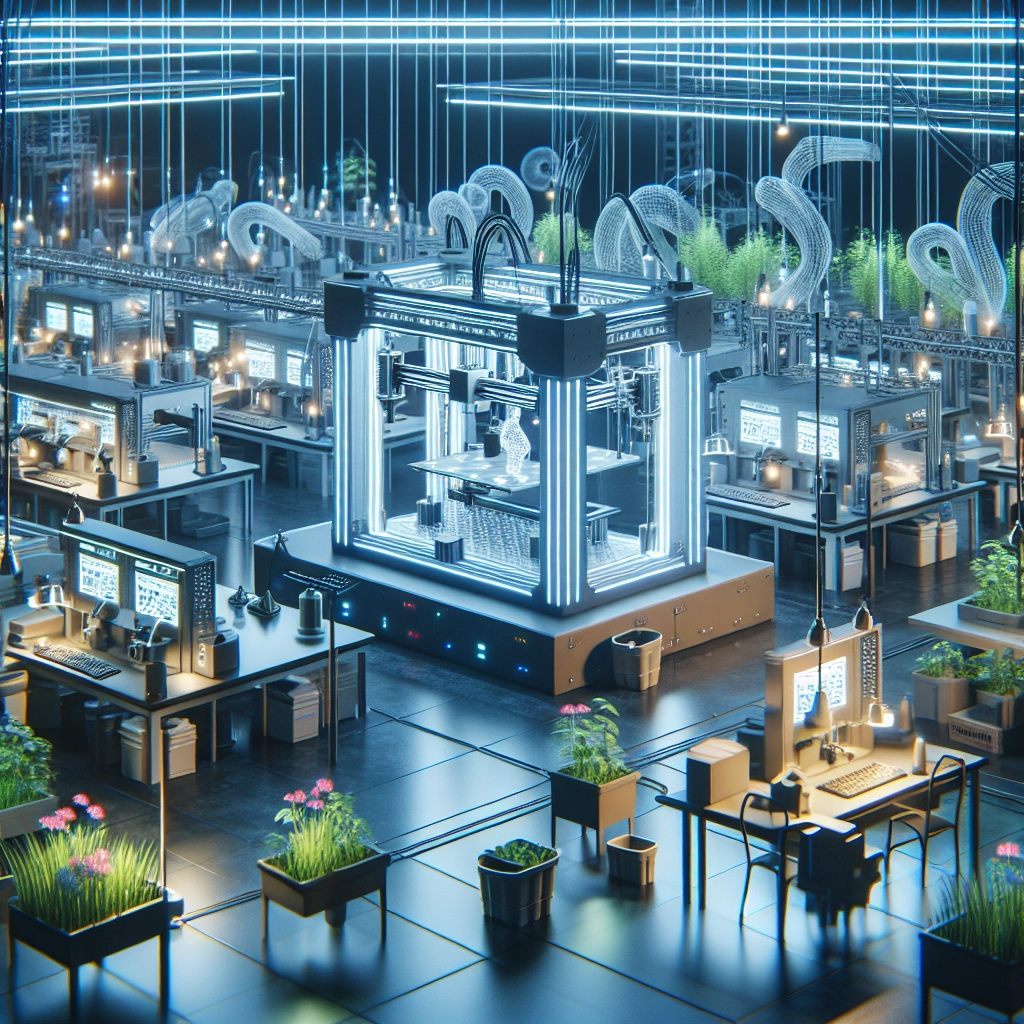
3D Printing and the Future of Sustainable Manufacturing
In recent years, our world has become increasingly aware of the pressing need for sustainable practices across all industries. From food to fashion, the conversation around how we create, consume, and dispose of products is evolving. Enter the revolutionary technology that is 3D printing. This cutting-edge manufacturing method not only pushes the envelope of creativity but also has the potential to play a pivotal role in making manufacturing more eco-friendly. Let’s dive into how 3D printing is shaping the future of sustainable manufacturing.
What Is 3D Printing?
If you’ve heard about 3D printing but are unsure what it entails, allow me to break it down a bit. 3D printing, also known as additive manufacturing, creates physical objects layer by layer from a digital 3D model. Unlike traditional manufacturing, which often involves cutting away material (subtractive manufacturing), 3D printing adds material only where needed. This layer-by-layer approach allows for intricate designs and materials that were previously tough to access.
Waste Reduction
One of the most significant advantages of 3D printing in terms of sustainability is the reduction of waste. Traditional manufacturing is notorious for generating excess material – think of the leftover scraps in machining or the “cut-outs” in garment manufacturing. These unwanted leftovers typically end up in landfills, contributing to the ever-growing waste crisis.
Thanks to 3D printing, manufacturers can significantly minimize waste. Because materials are only added where necessary, 3D printing allows for a "just-in-time" approach to production. This means that products can be created as needed, reducing the likelihood of overproduction and the waste that follows.
Resource Efficiency
3D printing isn’t just about reducing the amount of waste produced; it also revolutionizes how we use resources. It allows for the use of a diverse range of materials, including biodegradable and recyclable options. As companies pivot towards sustainable practices, many are exploring alternative materials such as recycled plastics, bio-resins, and even materials derived from natural sources like cornstarch.
Moreover, because 3D printing can often be done closer to the point of consumption—say, in a local facility rather than on the other side of the world—it significantly cuts down on transportation costs and emissions associated with shipping. Localized production also supports local economies, which is another win for sustainable practices.
Customization and Longevity
Remember when we used to bend over backwards to find that perfect fitting shoe or gadget? Custom products can often mean less waste, as they’re tailored specifically to individual needs. With 3D printing, customization is not just possible; it’s convenient and cost-effective.
When products are designed for specific users, the chances of them being tossed aside because they don’t quite fit or fulfill a need are dramatically reduced. Items created through 3D printing can be made to last longer through smart design, and for many items, their repairability is enhanced as well. If something breaks, it can often be printed anew or repaired rather than discarded.
Innovation in Sustainable Design
3D printing is not only about cutting down waste; it opens the door to innovative design concepts that prioritize sustainability. Designers and engineers can experiment with structures that are both aesthetically pleasing and environmentally friendly. For example, lattice structures can significantly reduce the amount of material used without compromising strength. This kind of innovation allows for lighter, more efficient products that require less energy in both production and transportation.
In addition, the digital file nature of 3D printing means that designs can be rapidly prototyped, allowing businesses to innovate quickly while minimizing waste. Recycling old designs into new products is also a step forward; instead of tossing them, companies can re-use the material from outdated items in new creations.
Challenges Ahead
While the potential of 3D printing is thrilling and transformative, it’s essential to acknowledge that challenges remain in its widespread adoption in sustainable manufacturing. The energy consumption associated with 3D printers, particularly in larger operations, needs to be addressed. Furthermore, the processes used to make certain materials can still be harmful to the environment.
However, the industry is continuously evolving. As technology advances, and as society places greater pressure on companies to act responsibly, the future of 3D printing in a sustainable manufacturing space looks promising.
In a world where sustainability is becoming non-negotiable, 3D printing stands out as a beacon of hope. With its innovative capabilities, waste reduction, and resource efficiency, this technology not only paves the way for a more sustainable future but also challenges how we think about manufacturing, consumption, and responsibility. As we continue to embrace this technology, we’re not just printing objects; we’re piecing together a greener planet one layer at a time.