


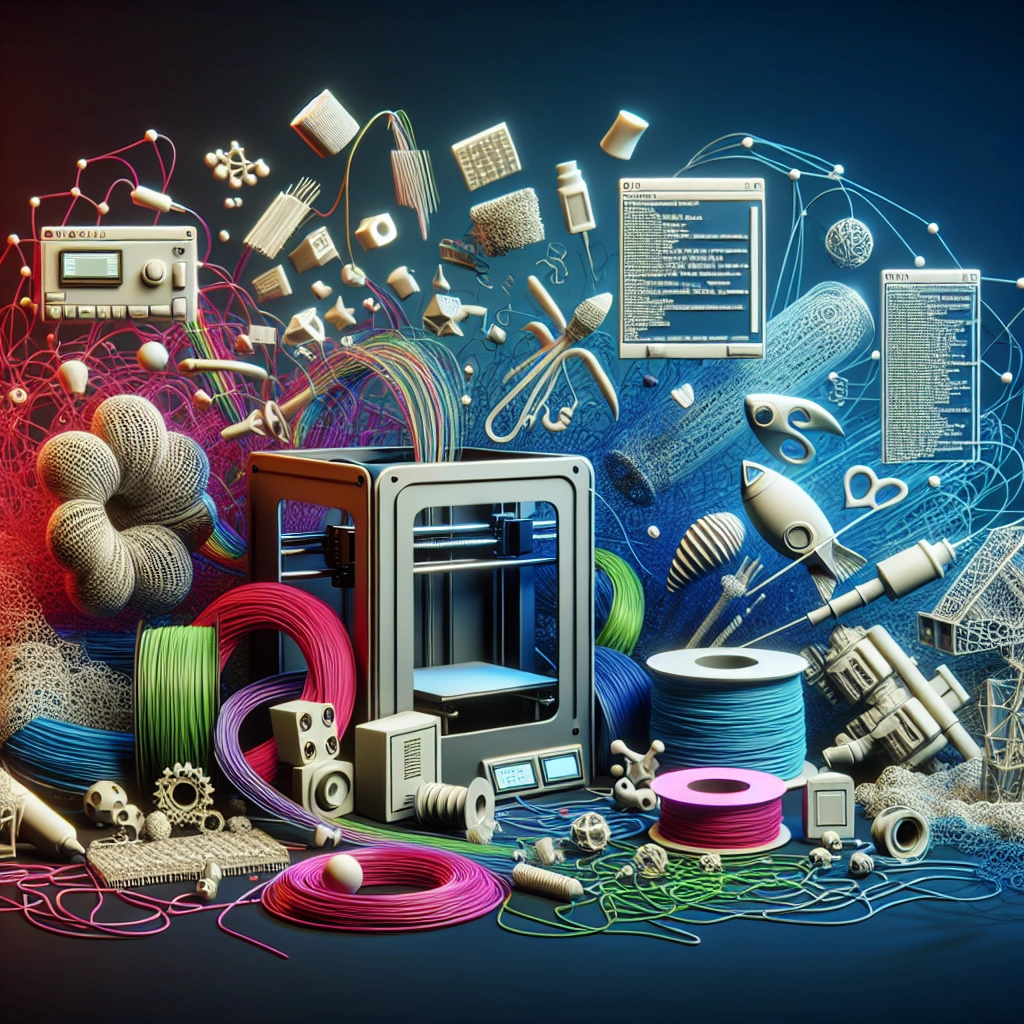
Challenges in 3D Printing: What Every User Should Know
3D printing has revolutionized the way we think about manufacturing and design. The promise of bringing complex shapes and personalized creations to life at the click of a button is alluring, to say the least. You might be excited to dive into the world of 3D printing, but every tech has its quirks. As much as it opens doors to innovation, it isn’t all sunshine and rainbows. Whether you’re a hobbyist or a professional, understanding the challenges that come with 3D printing will prepare you better and help you harness its potential fully.
Getting Started: The Learning Curve
One of the first hurdles for anyone new to 3D printing is the steep learning curve. Familiarizing yourself with the necessary software can feel daunting. There are various programs out there for creating and manipulating 3D models—each with its own set of tools and features. Whether you’re using CAD (Computer-Aided Design) software, a 3D scanning tool, or even tinkering with simpler options, dedicating time to learning the intricacies can be time-consuming but ultimately rewarding. Don’t be surprised if your first few prints don’t turn out as expected; it’s all part of the process. Embrace the missteps—they’re lessons in disguise!
Material Madness
Next up is the world of materials. The type of filament you choose has a massive impact on your finished product. From PLA (Polylactic Acid), which is user-friendly and biodegradable, to more advanced materials like ABS (Acrylonitrile Butadiene Styrene) and PETG (Polyethylene Terephthalate Glycol), each material comes with its own set of properties and challenges. Heating issues, moisture absorption, and filament jams can test your patience and skills. Particularly, ABS can warp easily if not printed in a controlled environment. So, make sure you understand the materials you’re using and how they behave during the printing process.
Design Dilemmas
Designing for 3D printing isn’t as straightforward as it seems. While the ability to create intricate models is one of 3D printing’s biggest draws, it also brings its own set of complications. Your design must account for overhangs, support structures, and wall thicknesses. If a model has complex geometries, it may require additional support materials that you’ll need to remove later, which can be a tedious process. Understanding the capabilities and limitations of your printer is essential to designing effective models that won’t collapse during the printing process.
Troubleshooting Time
Even with the best of intentions, troubleshooting is part and parcel of the 3D printing experience. No matter how advanced your printer is, issues like layer misalignment, uneven extrusion, and clogging are commonplace. Issues like these can stem from a variety of sources—temperature fluctuations, incorrect bed leveling, or even a dirty nozzle. Knowing how to address and resolve these common problems can save a lot of time and filament, not to mention your sanity!
Cost Considerations
Let’s talk about another challenge: cost. While the initial investment in a 3D printer has become more reasonable in recent years, it doesn’t stop there. You have to factor in the price of materials, maintenance, and potential upgrades down the line. If you’re hoping to use your printer for larger, more ambitious projects, the costs can add up quickly. For hobbyists, it’s essential to plan your budget accordingly, balancing your creative ambitions with the realities of your finances.
Community Support
On the flip side of the challenges, the 3D printing community is vibrant and immensely supportive. From social media groups to forums, you’ll find a wealth of resources to help guide you through your challenges. Experienced users often share their triumphs and troubleshooting tips. Don’t hesitate to reach out—sometimes, a little advice can make all the difference.
The Future Awaits
While 3D printing comes with its fair share of challenges, the journey is genuinely rewarding. The beauty of creating something tangible from your own design is unparalleled. As technology advances and tools become more user-friendly, it’s likely that many of the barriers we’re experiencing today will dissipate over time. Embrace those challenges, learn through the process, and remember that every expert was once a beginner. Whether you’re creating functional prototypes, intricate jewelry, or even educational models, the learning curve you tackle today will prepare you to be part of something amazing. Your 3D printing adventure is just beginning, and the possibilities ahead are endless!