


How to Store 3D Filaments for Maximum Shelf Life
If you’re a 3D printing enthusiast, you know the joy of creating something from scratch. But what happens when your filaments begin to deteriorate? Proper storage is crucial for maintaining the quality of your 3D filaments and ensuring that your prints come out just as you imagined. With a little bit of care and attention, you can extend the shelf life of your favorite materials. Let’s dive into some best practices for storing your 3D filaments.
Understand Your Filament
Before we get into storage tips, it’s essential to understand that not all filaments are created equal. Common materials like PLA, ABS, PETG, and Nylon each have unique properties and sensitivities. For instance, PLA is less sensitive to moisture but can be affected by heat, while Nylon loves to absorb water like a sponge. Knowing the specific needs of your filament will help you tailor your storage strategy accordingly.
Keep It Dry
One of the biggest enemies of 3D filaments is moisture. Many filaments, especially Nylon and PVA, can absorb humidity from the air, leading to issues like bubbling, poor adhesion, and ultimately, failed prints. To combat this, aim for a storage solution that keeps your filaments dry.
-
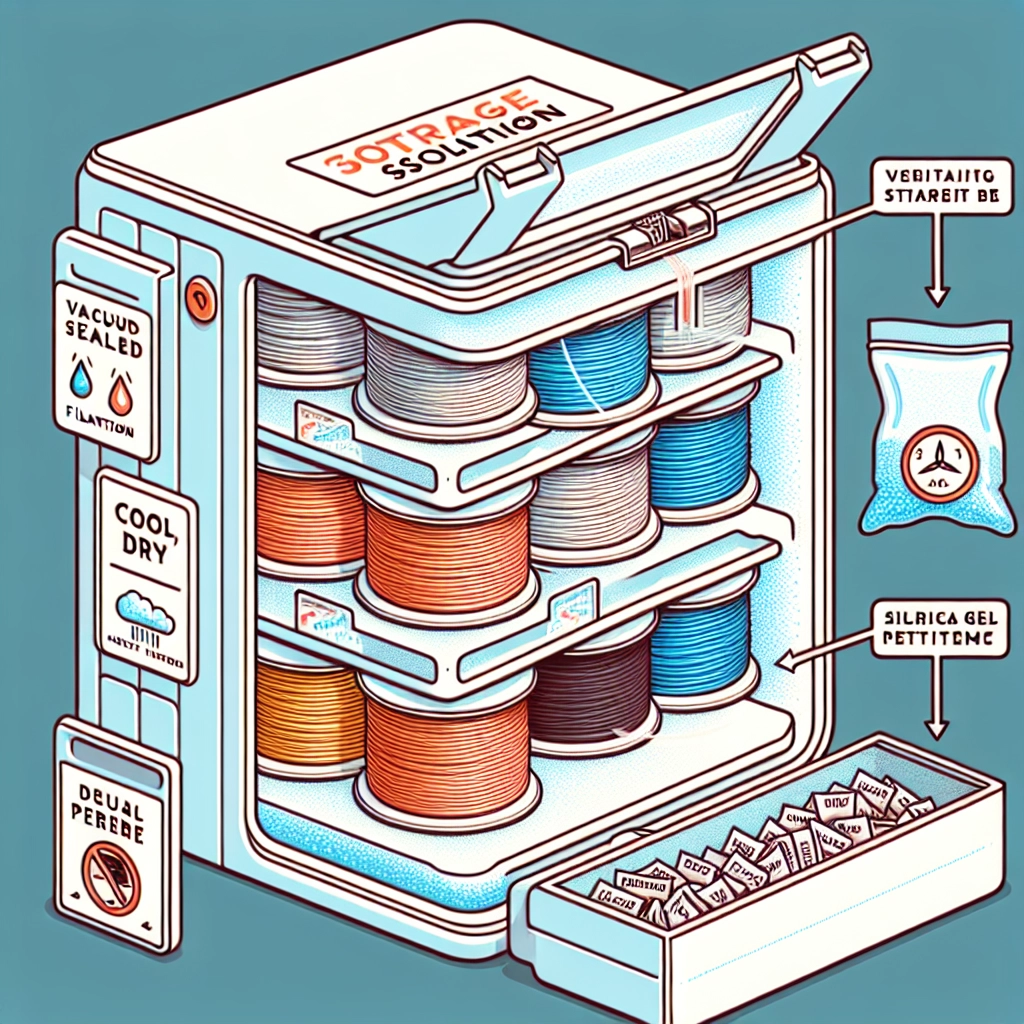
Use Airtight Containers: Invest in some airtight plastic containers or vacuum-sealed bags. This not only protects your filaments from moisture but also keeps dust at bay.
-
Desiccants are Your Friends: Throw a few packs of silica gel into your storage containers. These little packets absorb moisture and are incredibly effective at keeping the internal environment dry. Just be sure to replace them periodically!
-
Keep Your Humidity in Check: If you live in a particularly humid area, consider using a dehumidifier in your storage space. This extra layer of protection can go a long way in preserving the integrity of your filaments.
Temperature Matters
Temperature can also affect filament quality. Ideally, you want to store your filaments in a cool, dry place, away from direct sunlight. High temperatures can lead to warping or degradation, while extreme cold can make some materials brittle.
-
Avoid Attics or Basements: These spaces often have extreme temperature fluctuations and may not provide the stable environment your filaments need.
-
Temperature-Controlled Space: If possible, store your filaments in a room with a stable climate. Aim for a temperature range around 15°C to 25°C (59°F to 77°F) for optimal preservation.
-
Shade is Key: If you store your filaments in a transparent container, be sure to place it in a shaded area. UV light can weaken filaments over time, affecting their printing capabilities.
Organize, Organize, Organize
An organized storage system can help you quickly identify and access the filament you need, reducing the chances of contamination or degradation.
-
Labeling: Clear labels indicating the type and color of the filament will save you from rummaging through boxes. This helps you quickly find what you need without unnecessary exposure to the elements.
-
Inventory Management: Keep a simple inventory checklist of your filaments. This way, you can keep track of when each spool was purchased and how long it’s been in storage. If you lend or share filaments, an inventory can help you ensure you get everything back!
Regular Checks
Even with the best storage practices, it’s still a good idea to check your filaments periodically. Look for any signs of moisture, discoloration, or damage—not just for your sake, but also for your 3D printer.
-
Simple Sniff Test: If you notice a strange smell or the filament feels damp to the touch, it may have absorbed moisture. Consider drying it out in a dehydrator or an oven on low heat (be cautious with temperature settings) before use.
-
Test Prints: Before diving into an important project, run a test print with your stored filament. This will help identify any potential issues before they disrupt your flow.
Final Thoughts
Storing your 3D filaments doesn’t have to be a chore. With the right approach, it can be a straightforward process that extends the life of your materials—helping you produce the best prints possible. By keeping them dry, maintaining a suitable temperature, and staying organized, you can keep your filaments in prime condition for that next burst of creativity. So next time you stock up, remember these tips; your future self will thank you when things are running smoothly at the 3D printer!