


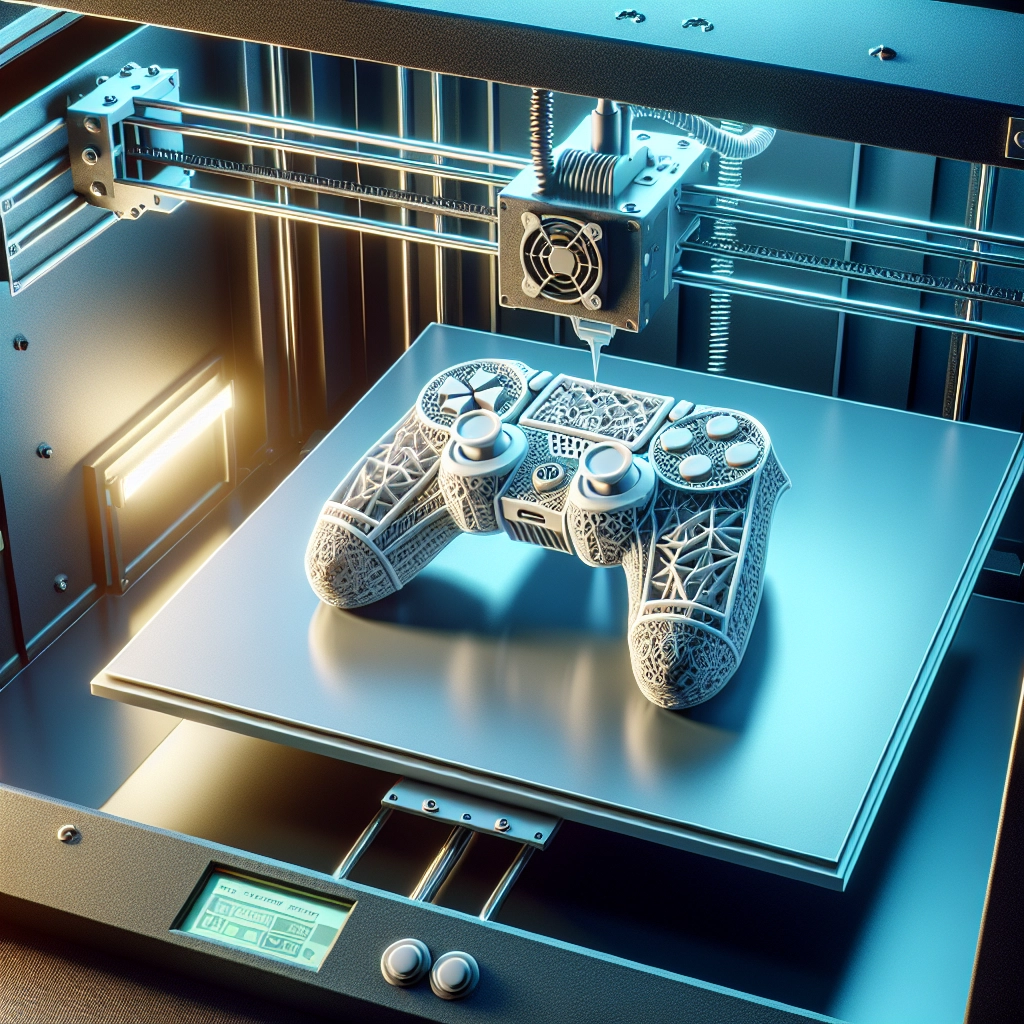
Using 3D Printing for Prototyping: A Game Changer
In the fast-paced world of innovation and product development, finding ways to bring ideas to life is a priority. Enter 3D printing. What was once seen as an emerging technology has become a game changer in the realm of prototyping. If you’re in the product development sphere or simply a curious enthusiast, understanding how 3D printing transforms prototyping is both fascinating and illuminating.
The Evolution of Prototyping
Traditionally, prototyping involved several steps that could take weeks or even months. From sketching designs and creating molds to fabricating models, the process was often a logistical challenge and a financial burden. As a result, many ideas either stagnated or were never realized due to the high cost and lengthy timelines associated with traditional methods.
With the advent of 3D printing, this narrative has shifted dramatically. The ability to transform digital designs into physical objects in a matter of hours—or even minutes—has opened up new avenues for innovation. This technology allows creators to test and revise their ideas rapidly, thereby improving efficiency and reducing time to market.
Speed and Cost Efficiency
One of the standout benefits of 3D printing is speed. Imagine having a prototype in your hands within a day of your initial design; this is the reality many designers now experience. This rapid turnaround time means companies can iterate their designs more frequently and make informed decisions based on tangible prototypes rather than theoretical models.
Moreover, 3D printing tends to be far more cost-effective than traditional manufacturing techniques. With traditional methods, companies often need to invest in expensive tooling and machinery to create molds for mass production. In contrast, 3D printing eliminates many of these upfront costs, allowing small businesses and startups to bring their ideas to life without breaking the bank. For larger corporations, this means they can allocate resources strategically and focus on what truly matters: innovation.
Enhanced Design Flexibility
Another exciting aspect of 3D printing is the flexibility it offers in design. Unlike standard manufacturing processes, which can impose constraints on shapes and materials, 3D printing allows for complex geometries that were previously unimaginable. This means designers can experiment with radical designs, optimizing functionality with unique structures that enhance product performance.
For example, in the automotive and aerospace industries, engineers can create lightweight components designed for optimal performance without the limitations of traditional manufacturing methodologies. The result? More efficient, high-performing products that put traditional designs to shame.
Collaboration and Innovation
3D printing also fosters collaboration across teams. Visualizing a concept through a physical prototype helps break down communication barriers. Whether in a brainstorming session or a strategy meeting, everyone can engage more meaningfully with a tangible item in front of them. This hands-on approach can spark new ideas and lead to innovations that may have otherwise been overlooked.
Many companies are now using 3D printing in their design workshops, allowing teams to combine their expertise and insights to push the envelope further. The iterative nature of prototyping via 3D printing encourages a culture of experimentation, where trial and error is not feared but embraced.
Real-World Applications
Today, 3D printing is being used across various industries to revolutionize prototyping. In healthcare, for instance, custom prosthetics and dental devices can be designed and fabricated quickly to suit individual patients—personalized medicine at its finest. In architecture, models can be scaled up or down with ease, allowing for more immersive presentations and accurate visualizations.
The possibilities are endless. Fashion designers are even starting to integrate 3D-printed elements into their collections, showcasing how the lines between technology and artistry continue to blur.
The Future of Prototyping
As technology evolves, it’s clear that 3D printing will play an ever-increasing role in the future of prototyping. With advancements in materials science, the types of materials available for 3D printing are expanding, leading to more durable, functional prototypes. This opens doors for industries to innovate at an even larger scale.
As we look forward, it’s exciting to think about what new ideas and solutions will emerge through the power of 3D printing. It’s not just about making things faster or cheaper; it’s about re-imagining how we approach problem-solving and design itself. This technology invites everyone—from seasoned engineers to everyday innovators—to envision a world where ideas can be realized with unprecedented speed and creativity.
In a nutshell, 3D printing isn’t simply a new tool—it’s a transformative shift in how we think about bringing ideas to life. The prototyping game has changed, and it’s an exhilarating time to be part of this incredible journey.