


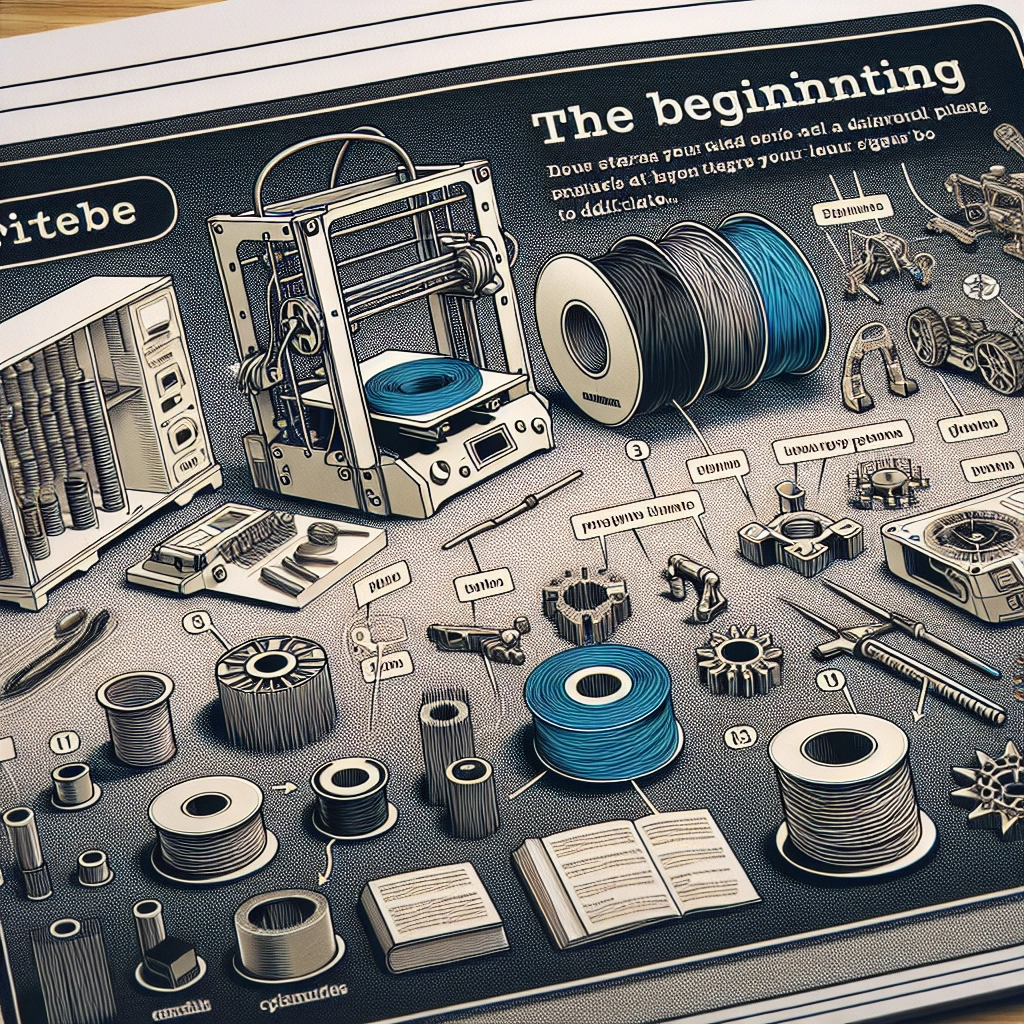
Getting Started with 3D Filaments: A Beginner’s Guide
If you’ve recently dipped your toes into the fascinating world of 3D printing, you might be overwhelmed by the variety of filaments available. Fear not! We’re here to break things down for you. Understanding the different 3D filaments is essential for creating high-quality prints that meet your needs, whether you’re crafting a simple model for fun or a functional piece. Let’s dive into the basics of 3D filaments and help you get started on your printing journey.
What Are 3D Filaments?
In the simplest terms, filaments are the materials used in Fused Deposition Modeling (FDM) 3D printers. These filaments come in spools and are melted in the printer’s extruder, where they are deposited layer by layer to create a 3D object. The two most common filament materials for beginners are PLA and ABS, but let’s take a closer look at a few popular options.
PLA – Polylactic Acid
PLA is often the go-to filament for beginners. It’s derived from renewable resources like corn starch and sugarcane, making it more environmentally friendly compared to some other options. Here are a few reasons why PLA is so popular:
- Ease of Use: PLA prints easily and adheres well to the print bed, which reduces the likelihood of print failures.
- Low Warping: Unlike many other filaments, PLA has minimal warping tendencies, making it ideal for printing detailed models.
- Variety: You’ll find PLA in a myriad of colors and styles, including glitter, translucent, or even glow-in-the-dark options.
However, PLA does have some downsides—it’s not the most heat-resistant filament. If you need an item that can withstand high temperatures, you’ll want to consider other materials.
ABS – Acrylonitrile Butadiene Styrene
ABS is another common filament, particularly favored in industries where durability is a must. It’s the same material used in products like LEGO bricks. Key features include:
- Strength: ABS is stronger and more flexible than PLA, making it suitable for functional parts or models that need to take a bit of a beating.
- Heat Resistance: It can withstand higher temperatures, which is a bonus for certain applications.
However, the downside to ABS is that it can be a bit tricky to print. It often warps and tends to release fumes that some users find unpleasant. It’s best to print ABS in a well-ventilated area or with an enclosure.
PETG – Glycol-Modified PET
If you’re looking for a happy medium, PETG might be the answer. This filament combines the best traits of both PLA and ABS, providing strength and ease of use. It’s known for:
- Durability: PETG is tough and resistant to impact, making it a favorite for parts exposed to stress.
- Less Warping: It’s more forgiving than ABS in terms of warping but still requires a heated bed for best results.
PETG prints clear or translucent items beautifully and is also a bit more resistant to moisture than PLA.
Specialty Filaments
Once you’ve got the hang of the basics, you can explore specialty filaments, which can take your printing game to the next level. These include:
- TPU (Thermoplastic Polyurethane): A flexible filament perfect for making items like phone cases or toys.
- Composite Filaments: These are mixed with materials like carbon fiber or wood, providing unique finishes and characteristics.
Tips for Beginners
As you start your 3D printing adventure, here are some practical tips to keep in mind:
-
Start with PLA: If you’re new to 3D printing, begin with PLA. It’s user-friendly and will help you navigate the basics of printer settings and calibrations.
-
Print Anything: Try different designs! From low-poly models to functional tools, the projects you tackle will teach you about filament properties and printing techniques.
-
Experiment: Don’t shy away from experimenting with different filaments and settings. Each filament might have its sweet spot in terms of temperature, speed, and layer height.
-
Store Properly: Filaments can absorb moisture, which affects print quality. Keep them in a cool, dry place, ideally in airtight containers.
-
Join Communities: Engaging with online forums and local groups of 3D enthusiasts can provide you valuable insights, troubleshooting tips, and project ideas.
Starting your journey into 3D printing can be daunting, but it’s a rewarding and creative endeavor. With a basic understanding of 3D filaments and a few tips under your belt, you’re ready to unleash your creativity. As you gain experience and confidence, don’t forget to share your creations and connect with the vibrant community of makers. Happy printing!