


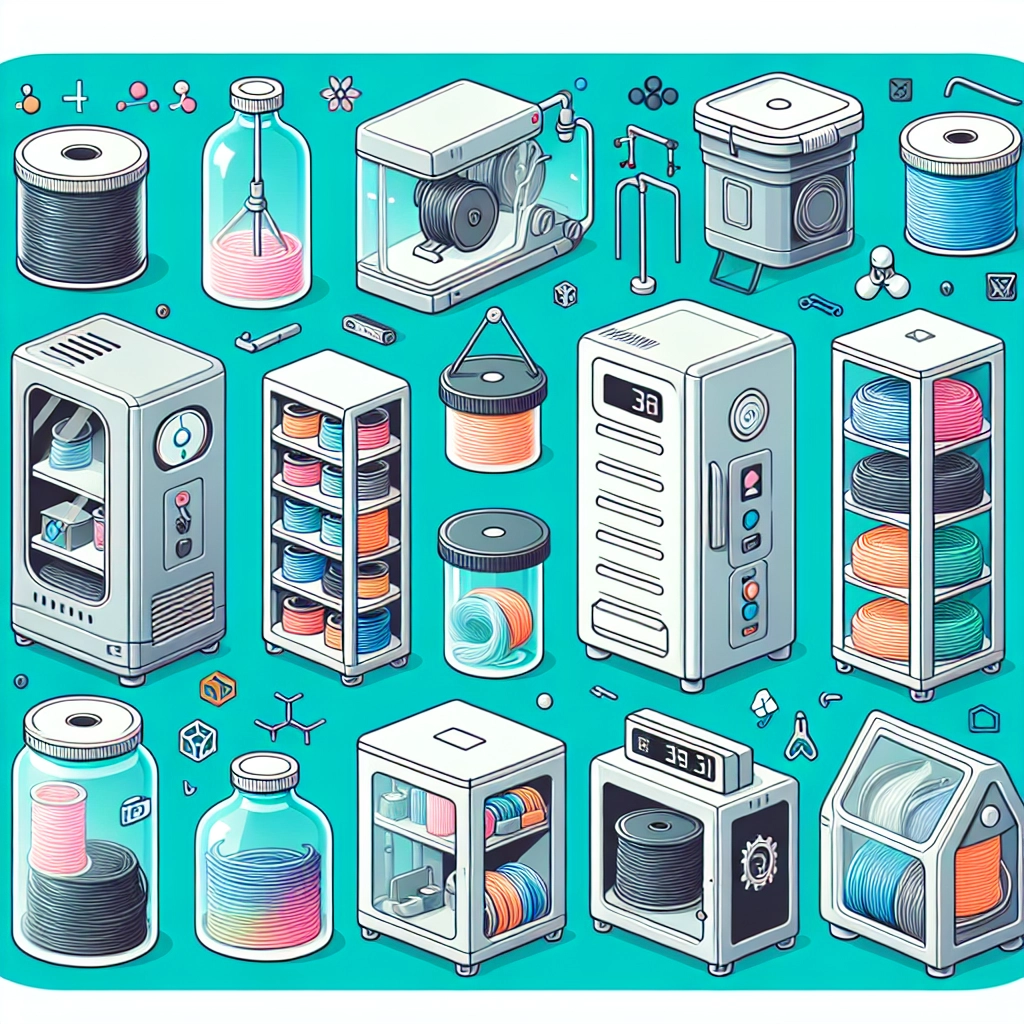
Filament Storage Solutions: Keeping Your Materials Fresh
If you’re into 3D printing, you know that the right filament can make or break your project. From PLA to ABS and all those funky specialty filaments in between, keeping your materials fresh is crucial. Let’s delve into some practical storage solutions that will help you ensure your filament stays in tip-top shape.
Why Proper Storage Matters
Before we dive into the different storage options, it’s important to understand why keeping your filament fresh is so critical. Filaments can be sensitive to moisture, UV light, and temperature fluctuations. For instance, PLA can become brittle if stored incorrectly, while hygroscopic materials like Nylon can absorb humidity from the air, leading to print failures. By implementing a solid storage solution, you can prolong the life of your filament and maintain its printability.
1. Airtight Containers
One of the most effective ways to store filament is in airtight containers. Whether you go for vacuum-sealed bags or simple plastic bins, the goal is the same: keep moisture out. Many 3D printing enthusiasts swear by these airtight containers as they can block out humidity and help prevent that dreaded filament degradation.
When selecting your container, consider using a food-grade vacuum sealer bag. Not only does this keep moisture at bay, but it also takes up less space. Just be sure to label your bags with the type of filament and the date of purchase, so you can keep track of your supplies.
2. Dehumidifiers and Desiccants
If you live in an area with high humidity, investing in a dehumidifier is a smart move. Keeping the air in your storage area dry protects your filament from absorbing moisture.
For additional moisture control, you can also use silica gel packs or other desiccants. These little packets are great for absorbing humidity. Just place a few packs in your storage bins or containers. Remember to replace them periodically, or you can dry them out in the oven if they’re reusable!
3. Temperature Control
Temperature is another critical factor in filament storage. Most filaments prefer to be kept in a cool, dry place, away from direct sunlight. Try to store your filament in a climate-controlled environment where temperatures remain stable. An attic or a basement might not be the best choice if they provide extreme temperatures.
If you’re working in a particularly hot climate, consider getting a mini fridge or an insulated storage case. This can help maintain a consistent temperature, especially if you’re storing specialty filaments that are more sensitive to environmental changes.
4. Dedicated Storage Units
If you have a growing filament collection, investing in dedicated storage units can be a game-changer. Many companies offer filament storage solutions designed specifically for 3D printing materials. These units often include features like humidity control and transparent walls for easy visibility.
For the DIY enthusiasts out there, building your own storage unit can also be a fun weekend project. You could incorporate temperature regulation while giving your workspace a tidy, organized look. Plus, you could design it to hold spools vertically, which can save on space!
5. Labeling and Inventory Management
Organization goes a long way when it comes to filament storage. Implementing a simple labeling system is key. Besides just marking down the type of filament, also note things like the brand, color, and even the recommended printing settings. Having a quick reference guide makes it easier to choose the right filament for your next project without having to rummage through your collection.
Maintaining an inventory list can also be beneficial. You can track how much filament you have left, which prevents you from making last-minute panic purchases before a project deadline.
Final Thoughts
By taking a little extra time to devise a solid filament storage solution, you’re investing in the longevity and print quality of your materials. No one wants to deal with a failed print due to improperly stored filament! Whether you’re using airtight containers, dehumidifiers, or dedicated storage units, creating a controlled environment will yield great results in the long run.
Remember, keeping your prints as fresh as your filament starts with how you store it. So go ahead, organize that filament stash, and get ready to create with confidence! Happy printing!