


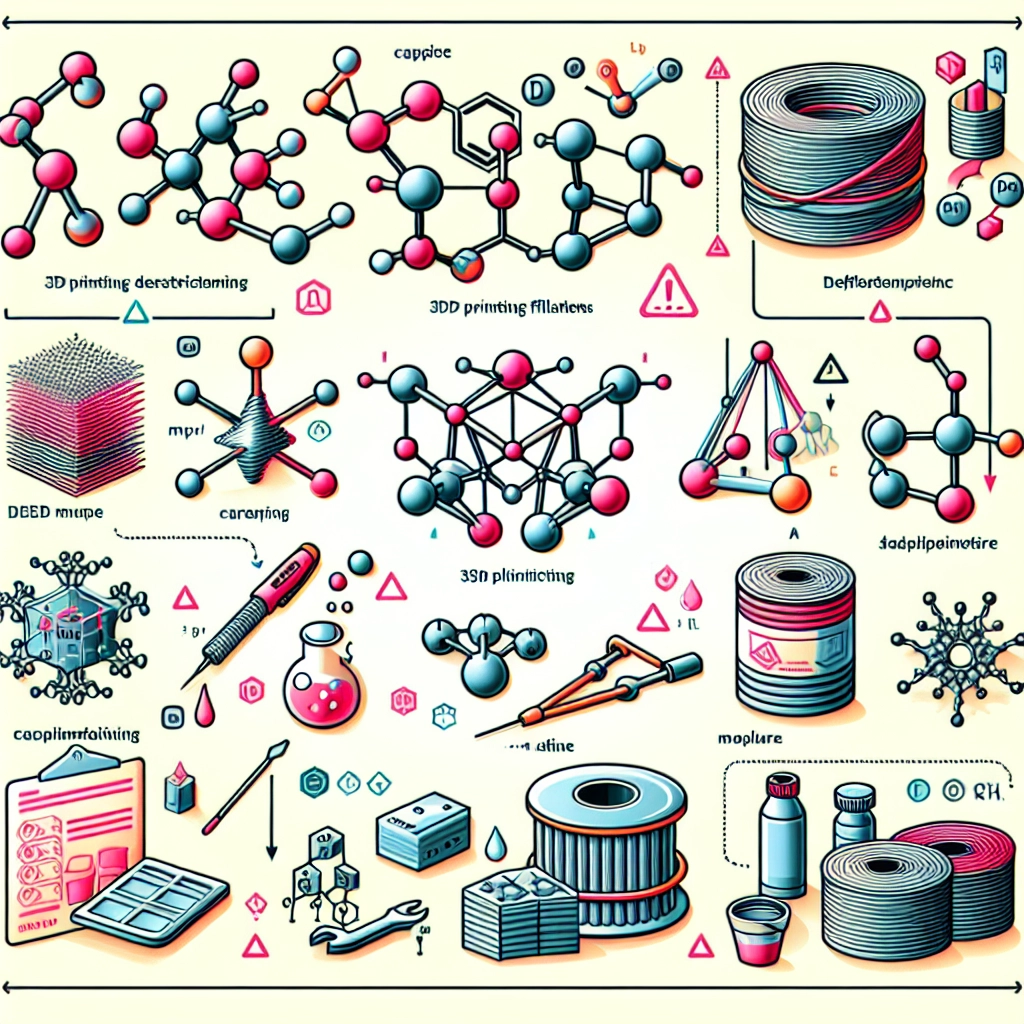
The Science Behind 3D Filaments: What Makes Them Suitable for Different Projects?
3D printing has taken the creative world by storm. Whether you’re a hobbyist designing quirky knick-knacks or a professional making intricate prototypes, one of the crucial elements that determine the quality of your prints is the filament. But with so many options available, it begs the question: what makes different 3D filaments suitable for different types of projects? Let’s dive in and explore the fascinating science behind these versatile materials!
What Are 3D Filaments?
At its core, 3D printing, or additive manufacturing, is all about material. The filament is the medium through which printers create three-dimensional objects by laying down layers of material based on digital designs. Typically made from thermoplastics, these filaments are melted and extruded through a nozzle, then shaped according to the programmed instructions of the printer.
The Common Types of 3D Filaments
-
PLA (Polylactic Acid): This is one of the most popular filaments, especially among beginners. Made from renewable resources like corn starch, PLA is biodegradable and often touted for its ease of use. It prints at lower temperatures, which means less warping and a smoother finish. Perfect for decorative items, prototypes, and educational projects, PLA is your go-to for applications where strength isn’t the top priority.
-
ABS (Acrylonitrile Butadiene Styrene): If durability is what you’re after, you can’t go wrong with ABS. This filament is tougher and more resilient to heat, making it suitable for functional prototypes and mechanical parts. However, ABS can be trickier to work with due to its tendency to warp during cooling, so it’s best used with a heated print bed.
-
PETG (Polyethylene Terephthalate Glycol-Modified): Bridging the gap between PLA and ABS, PETG offers the best of both worlds. It has excellent impact resistance and prints effortlessly—plus, it’s less prone to warping. This filament is frequently used for functional parts, containers, or anything that might encounter moisture, thanks to its high durability.
-
TPU (Thermoplastic Polyurethane): For those projects that demand flexibility, TPU is the filament of choice. It’s an elastomer, meaning it can stretch and bend, making it perfect for items like phone cases, seals, and other applications where you need a bit of give. However, printing with TPU does require a steady hand, as its flexibility can lead to jamming in some printers.
-
Nylon: Strong and resilient, nylon filaments are ideal for applications that require a tough, wear-resistant material. It’s perfect for functional parts, such as gears and bearings. However, nylon can absorb moisture from the air, so it’s essential to store it properly to maintain quality.
What Makes Different Filaments Suitable?
So, what factors influence the suitability of a filament for specific projects? Here are a few key considerations that can guide your choice:
-
Strength and Durability: If you’re making functional parts that need to endure stress or strain, consider ABS or nylon for their superior strength. For decorative items where strength isn’t critical, PLA is often a safe bet.
-
Flexibility: Need something that can bend without breaking? Go for foam-like materials like TPU. Flexibility requirements are especially common in mechanical parts and protective cases.
-
Heat Resistance: If your creation is subject to elevated temperatures, materials like ABS or PETG can handle the heat better than PLA, which can soften in warmer climates.
-
Environmental Impact: For environmentally conscious makers, PLA offers a biodegradable option that can be a more sustainable choice compared to petroleum-based filaments like ABS.
-
Printability: Some filaments are easier to print than others. Beginners may find PLA most forgiving, while more experienced users may explore tougher materials like nylon or TPU for the challenges they present.
The Creative Possibilities
Exploring the science and properties behind different 3D filaments opens a world of creative potential. Armed with this knowledge, you can choose the right material tailored to the specifics of each project, whether it’s a visually stunning art piece or a robust mechanical part. Each filament tells its own story—shaping not just the final look but also the functionality of your creations.
So whether you’re printing your next big idea or just tinkering with fun designs, consider the filament as a partner in your creative journey. With the right choice, you can unlock a treasure trove of projects that reflect both your vision and the possibilities of modern manufacturing. Happy printing!