


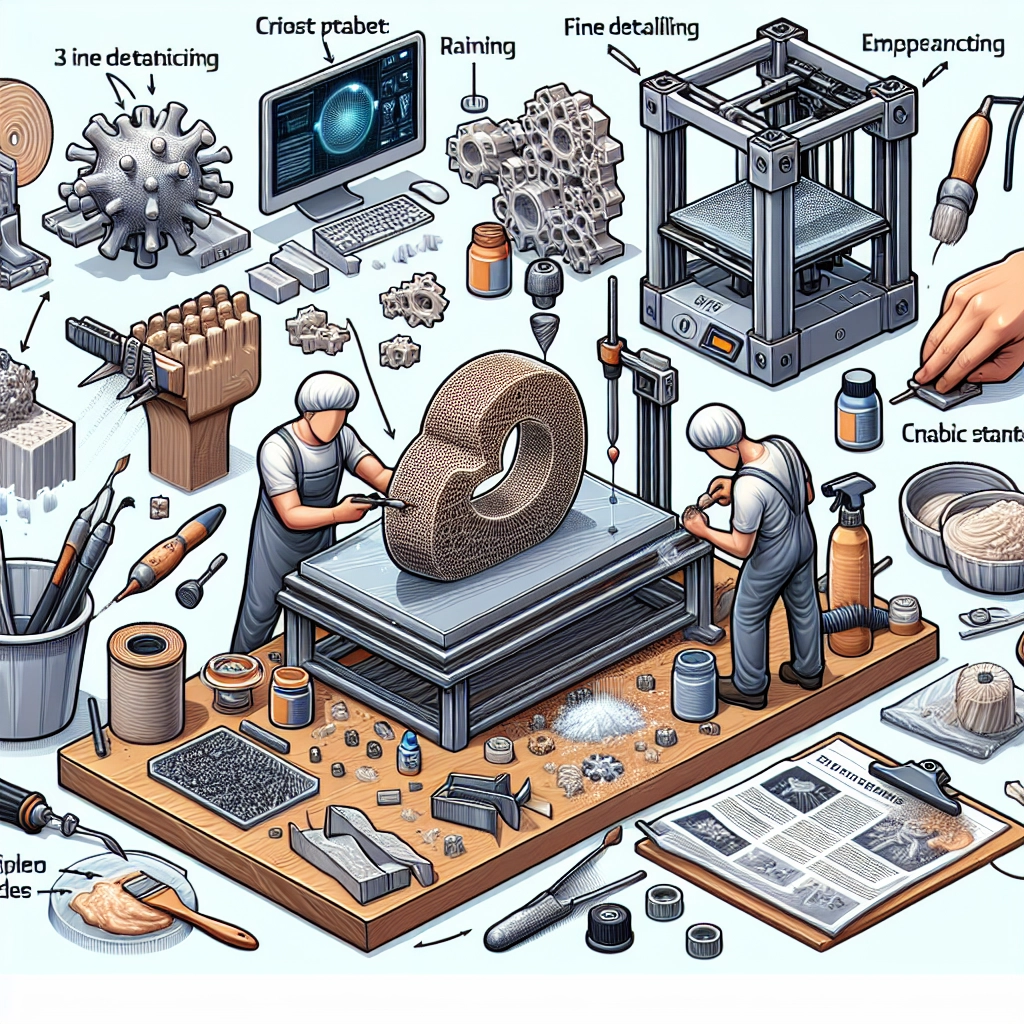
Taking Your 3D Printed Models to the Next Level with Post-Processing Techniques
So you’ve just printed your latest 3D masterpiece, and it’s looking pretty good, right? But what if I told you that with a little extra effort, you could elevate your creation from “that’s neat” to “wow, that’s stunning!”? That’s where post-processing comes in. Whether you’re a hobbyist, designer, or professional, post-processing can significantly enhance the appearance and quality of your 3D prints. Let’s explore some techniques that can help you take your 3D printed models to the next level.
Why Post-Processing Matters
Before diving into the nitty-gritty of various techniques, it’s essential to understand why post-processing is a valuable step in the 3D printing journey. While printing can produce high-quality results right off the bat, there are often visible layer lines, rough edges, or even minor imperfections that can detract from your model’s overall aesthetics and functionality. Post-processing can help you achieve smoother surfaces, enhance detail, and create a more polished final product.
Popular Post-Processing Techniques
1. Sanding
Sanding is one of the most accessible and widely used post-processing techniques. It can be as simple as taking some fine-grit sandpaper to the surface of your model to smooth out any rough spots or layer lines. Start with a coarser grit to remove the bulk of imperfections and then gradually move to finer grits for that glassy finish. Just be sure to wear a mask since sanding generates dust, especially with materials like PLA and ABS.
2. Smoothing with Heat
Another method to achieve a seamless finish is heat smoothing. This technique works particularly well for certain plastics like ABS. You can use a heat gun or even try an acetone vapor bath, which melts the outer layer just enough to smooth out the model. However, be cautious not to overheat your print, as this can lead to deformation. Always experiment on a test piece first to perfect your technique before diving into your final model.
3. Painting and Finishing
Once your model is smooth, it’s time to turn to color! Painting is an art in itself and can bring your printed pieces to life. Start by applying a primer designed for the type of plastic you’re using – this helps the paint stick better and offers a more even finish. From there, you can get creative with spray paints, acrylics, or even airbrushing. Multiple layers can add depth, and detail brushes can bring those intricate designs to the forefront.
4. Epoxy Coating
If you’re aiming for a high-gloss finish, epoxy resin can be your best friend. Applying a layer of clear epoxy not only amplifies the appeal but also adds durability to your piece. Just be aware that this method takes time and will require a curing period. Ensure you follow all safety precautions, as epoxy fumes can be no joke!
5. Assembly and Detailing
For multi-part models, post-processing doesn’t just end at the surface treatment. Taking the time to properly assemble your pieces, filling gaps, and adding details can significantly upgrade your creation. Don’t overlook the possibility of adding embellishments like decals or custom detailing to give your projects a unique flair.
6. Using a CNC Machine
For those who have access to a CNC machine, integrating it into your post-processing can work wonders. A CNC can trim away surfaces more precisely than sanding and can achieve a level of detail that’d be hard to replicate by hand. This might not be in everyone’s toolkit, but it’s a great option for those who have the means.
Tools and Materials You May Need
While you’re getting ready to dive into post-processing, here’s a handy list of items you might consider stocking up on:
- Sandpaper (varied grits)
- Heat gun
- Primer and paints
- Clear epoxy resin
- Detail brushes
- Mixing tools (for resins)
- Safety gear (masks, gloves)
Final Thoughts
Post-processing might seem like an extra step, but the rewards are definitely worth the investment in time and materials. From making your model aesthetically pleasing to adding durability, these techniques will not only improve how your prints look but also enhance their functionality. So next time you fire up your 3D printer, don’t forget to set aside some time to take those creations to the next level. You might just discover that the real magic happens after the print is done! Happy printing and processing!