


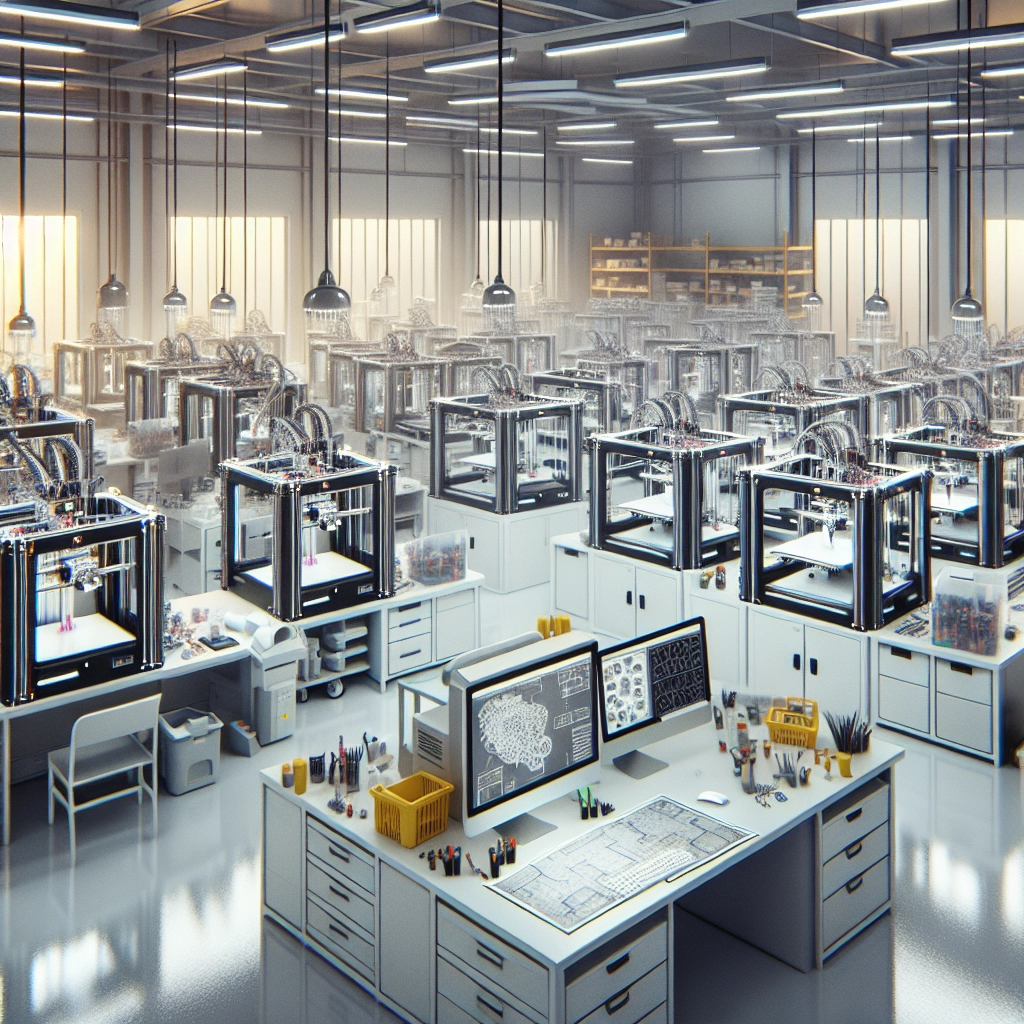
The Role of 3D Printing in Modern Manufacturing
In recent years, 3D printing has transitioned from a niche hobby for tech enthusiasts into a key player in the manufacturing world. This innovative technology has not only unlocked new possibilities for product design but has also disrupted traditional manufacturing processes in ways we’re just beginning to understand. So, what’s the deal with 3D printing, and why is it becoming a cornerstone of modern manufacturing? Let’s dive into the details!
A Quick Overview of 3D Printing
Before we explore its role in manufacturing, let’s quickly unpack what 3D printing is. Essentially, it’s a process of creating three-dimensional objects from a digital file. The most common technique involves layering materials—like plastic or metal—until the object forms completely. This is called additive manufacturing, and it contrasts sharply with traditional methods, which typically subtract material from a larger block.
Design Freedom
One of the most exciting aspects of 3D printing is design flexibility. In traditional manufacturing, creating complex shapes can be a costly and time-consuming process, often requiring expensive molds. With 3D printing, designers can create intricate geometries and customize designs without breaking the bank. This is especially crucial in industries like aerospace and automotive, where weight and aerodynamics play critical roles in performance. The ability to print an ultra-lightweight structure that meets specific performance criteria is a game-changer.
Speeds up Prototyping
Gone are the days of waiting weeks or even months to create a prototype. With 3D printing, manufacturers can rapidly produce prototypes, allowing for quicker iterations and refinements. This speedy turnaround not only enables faster product development cycles but also mitigates risks. Designers can test and gather feedback on their products sooner, making adjustments before mass production commences. Essentially, 3D printing helps companies innovate faster and stay ahead of the competition.
Sustainable Manufacturing
Sustainability is an increasingly vital concern for manufacturers. Traditional manufacturing often generates a lot of waste. However, because 3D printing builds items layer by layer according to precise digital models, it drastically reduces material waste. Additionally, 3D printing can use recycled materials or bioplastics, which lessens the environmental impact. The energy consumption during the printing process can also be lower than that of traditional manufacturing for some applications, making it a greener choice.
Customization at Scale
One of the standout benefits of 3D printing is the ease with which products can be customized. In markets like healthcare, customization is crucial. Imagine prosthetics made specifically for an individual’s body, or even dental implants tailored to fit perfectly in a patient’s mouth. That’s possible with 3D printing! As manufacturers adopt this technology, they’ll be better positioned to offer personalized solutions, giving them a competitive edge while improving customer satisfaction.
Revolutionizing Supply Chains
The pandemic has taught us the importance of resilient supply chains—something that 3D printing has the potential to transform dramatically. Instead of relying on complex logistics and long shipping times to get parts from overseas, companies can set up localized production facilities using 3D printers. This means parts can be printed on-demand, reducing lead times and inventory costs. Plus, you can bypass many supply chain disruptions, which can be a huge advantage in times of crisis.
Challenges to Consider
Of course, like any technology, 3D printing isn’t without its challenges. Issues like material limitations, production speed compared to mass manufacturing, and initial equipment costs can present obstacles for some businesses. There’s also the learning curve associated with integrating this technology into established processes. However, as advancements continue and more industries adopt 3D printing, these challenges are likely to diminish over time.
The Future of 3D Printing in Manufacturing
As we look ahead, it’s exciting to think about how 3D printing might evolve. Trends suggest that we could see advances in materials science, including stronger, more versatile printing materials. There’s also potential for expanded applications in construction, fashion, and even food production. With innovations in technology, customization may go from being an option to an expectation.
3D printing is reshaping the landscape of manufacturing in ways we once deemed the stuff of sci-fi. As manufacturers leverage its unique advantages, it’s becoming clear that this technology is not just a trend—it’s a transformative force that’s here to stay. Whether it’s improving sustainability, speeding up prototyping, or personalizing products to meet customer needs, 3D printing stands as a monumental leap forward in how we think about and approach manufacturing.