


The Role of 3D Printing in Modern Manufacturing
If there’s one thing that’s transformed the way we think about manufacturing in the last decade, it’s undoubtedly the rise of 3D printing. Once a futuristic concept that seemed to reside only in the pages of science fiction, 3D printing, or additive manufacturing, has become a game-changer in industries ranging from aerospace to healthcare. So, what exactly is 3D printing, and how is it reshaping manufacturing as we know it? Let’s dive in.
What is 3D Printing?
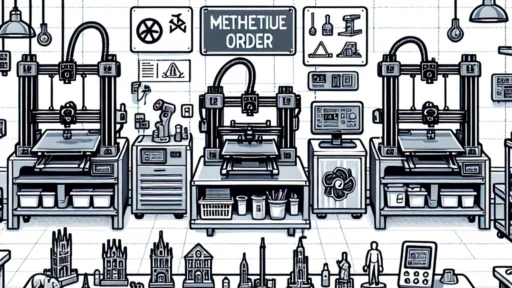
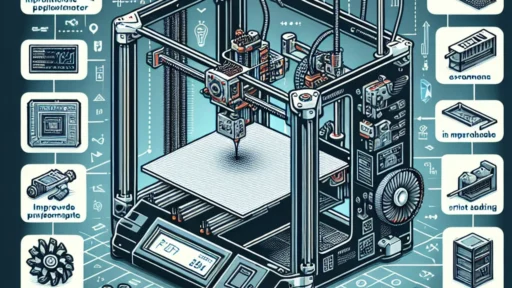
At its core, 3D printing involves creating three-dimensional objects from a digital file. The process works by layering materials – like plastic, metal, or even bio-materials – to build an object from the ground up. Think of it as a high-tech version of the classic craft project, where you start with individual pieces and assemble them into something meaningful, except here, each layer is meticulously crafted by a machine instead of by hand.
Rapid Prototyping: Accelerating the Design Process
One of the most significant impacts of 3D printing is in the realm of rapid prototyping. In traditional manufacturing, developing a prototype can be a time-consuming and costly endeavor. You might have to create multiple iterations before achieving a final design that meets all parameters, which can be a major headache for engineers and designers.
With 3D printing, creating a prototype is seamless and lightning-fast. Designers can produce a physical model in a matter of hours rather than weeks, allowing for immediate feedback and iteration. This agility not only saves time but also encourages innovation, as companies can quickly test new ideas without breaking the bank. It’s a fantastic way for businesses to experiment and refine their offerings, ultimately leading to more thoughtful and user-centered products.
Customization: Meeting Unique Demands
Another area where 3D printing shines is in customization. In a market where consumers increasingly seek personalized products, 3D printing fits the bill perfectly. Customers can request designs tailored to their exact specifications, whether that’s a perfectly fitted prosthetic, a unique piece of jewelry, or even home decor items.
This ability to create customized products means companies can cater to niche markets and differentiate themselves from competitors. Additionally, the low cost of producing small batches means businesses can venture into bespoke manufacturing without the hefty investments typically associated with large-scale production.
Sustainability: A Greener Approach
Sustainability is a hot topic these days, and 3D printing offers potential solutions to some of the environmental challenges faced by the manufacturing sector. Traditional manufacturing often involves considerable waste, as materials are cut and machined down to size, leaving behind scrap. In contrast, additive manufacturing uses only the materials needed to create a product, drastically reducing excess waste.
Moreover, 3D printing can use recycled materials, contributing to a circular economy where resources are reused rather than tossed away. As companies strive to implement more eco-friendly practices, adopting 3D printing technology can align perfectly with their goals of reducing carbon footprints and minimizing environmental impact.
Challenges Ahead
While the benefits of 3D printing are sizable, it’s important to acknowledge that challenges remain. The technology is still evolving, and it might not be a one-size-fits-all solution. Material limitations, production speed, and costs associated with high-end printers can pose difficulties for certain industries. Regulations, particularly in sectors like healthcare and aerospace, also complicate the adoption of 3D printing for more critical applications.
However, as these challenges are addressed through research and development, the potential for 3D printing to revolutionize manufacturing continues to grow.
Looking Ahead
The future of 3D printing in manufacturing is bright and full of promise. As technology continues to evolve, we can expect to see more innovations, ranging from improved materials that enhance product performance to advancements that reduce production times.
3D printing isn’t just a fleeting trend; it’s a vital adaptive tool that empowers manufacturers to be more responsive, efficient, and creative. In a world that’s moving toward bespoke and sustainable solutions, 3D printing is perfectly positioned to lead the charge. Whether for prototyping, individual customization, or sustainable practices, its role in modern manufacturing will certainly be one to watch closely in the years to come. Who knows? We may very well find our homes filled with 3D-printed furniture or walking on footwear made just for our feet. The possibilities are as limitless as our imagination!