


3D Printing in Education: Transforming the Learning Experience
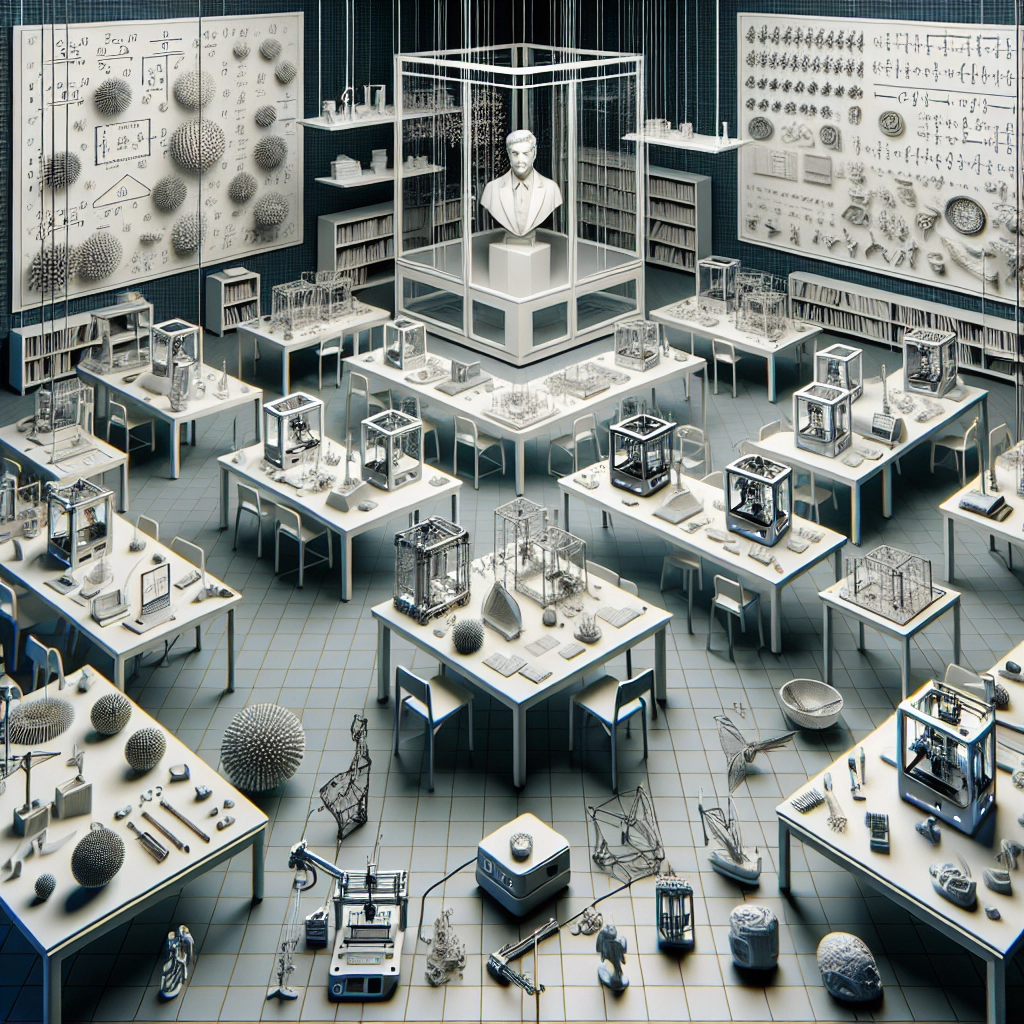
Imagine walking into a classroom that feels more like a tech-savvy workshop than a traditional learning environment. Students are not just passively listening to lectures; they’re actively engaged in the creative process of bringing their ideas to life through 3D printers. This scenario is becoming increasingly common in schools around the world, thanks to the rising popularity of 3D printing technologies. The incorporation of these cutting-edge tools into education is changing the way students learn and teachers instruct.
Bringing Ideas to Life
One of the most exciting aspects of 3D printing in educational settings is its ability to help students visualize concepts. Whether they’re creating a model of a historical monument in a history class, designing innovative tools in science, or producing art projects, students can physically interact with their ideas and concepts. This hands-on approach fosters deeper understanding and retention of material.
For instance, imagine a group of students studying the solar system. Instead of just reading about the planets in their textbooks, they can design and print scale models, allowing them to grasp concepts like size, distance, and orbit in a tangible way. The act of building these models can spark curiosity and discussions that would have otherwise been limited to mere textbook paragraphs. It’s not just about the final product; the design process pushes students to think critically and solve problems, reinforcing essential skills like creativity and collaboration.
Sparking Creativity and Innovation
3D printing also democratizes innovation. Students are no longer just consumers of knowledge; they become creators. They can brainstorm unique solutions to real-world problems, prototype their ideas, and iterate upon them based on feedback. This spirit of innovation is incredibly empowering. When students see their designs come to life, it boosts their confidence and encourages them to explore new possibilities.
For example, imagine high school students tasked with improving sustainability in their community. Using 3D printing, they could design reusable water bottles or create eco-friendly packaging solutions. This hands-on approach fosters a deeper understanding of environmental challenges and the importance of sustainable practices, all while honing their critical thinking and engineering skills.
Enhancing Collaboration
Incorporating 3D printing into the classroom can break down the walls of isolation often associated with traditional education. It encourages collaboration among students, as they often need to work together to design, build, and refine their projects. Whether in small groups or larger teams, students learn to communicate effectively, delegate tasks, and approach challenges collectively.
For instance, a project might involve science students working alongside art students to create a sculpture that represents a scientific concept. While the scientists focus on the technical accuracy, the artists bring their creativity to the table, leading to a final product that’s both scientifically significant and visually stunning. This interdisciplinary approach is not only enriching, but it also mirrors the collaborative environments students will face in the workforce.
Addressing Diverse Learning Styles
Every student learns differently. Some are visual learners, others are auditory, and still others may excel through hands-on experiences. 3D printing allows educators to meet these diverse learning styles. The ability to create physical objects caters to kinesthetic learners who thrive when they can touch and manipulate materials. Visual learners benefit from seeing concepts come to life, and auditory learners can engage through discussions about the projects.
This flexibility helps create a more inclusive classroom where every student can find value in the learning process. Educators can tailor lessons to better fit the unique needs of each student, making learning more effective and enjoyable.
Preparing for the Future
Finally, as we look towards the future, integrating 3D printing into education prepares students for careers in fields that are increasingly reliant on technology. From engineering and architecture to medical fields and beyond, having experience with 3D modeling and printing sets students apart in the job market. They not only gain technical skills but also learn the importance of adaptability and continuous learning—traits essential in today’s fast-paced, ever-evolving professional landscape.
As schools embrace the possibilities offered by 3D printing, they’re not just enhancing the learning experience; they’re empowering a new generation of innovators, creators, and problem-solvers. This transformative technology is making education more engaging, inclusive, and relevant to the world outside the classroom. With each printed project, students are not just constructing models—they are building the future.