


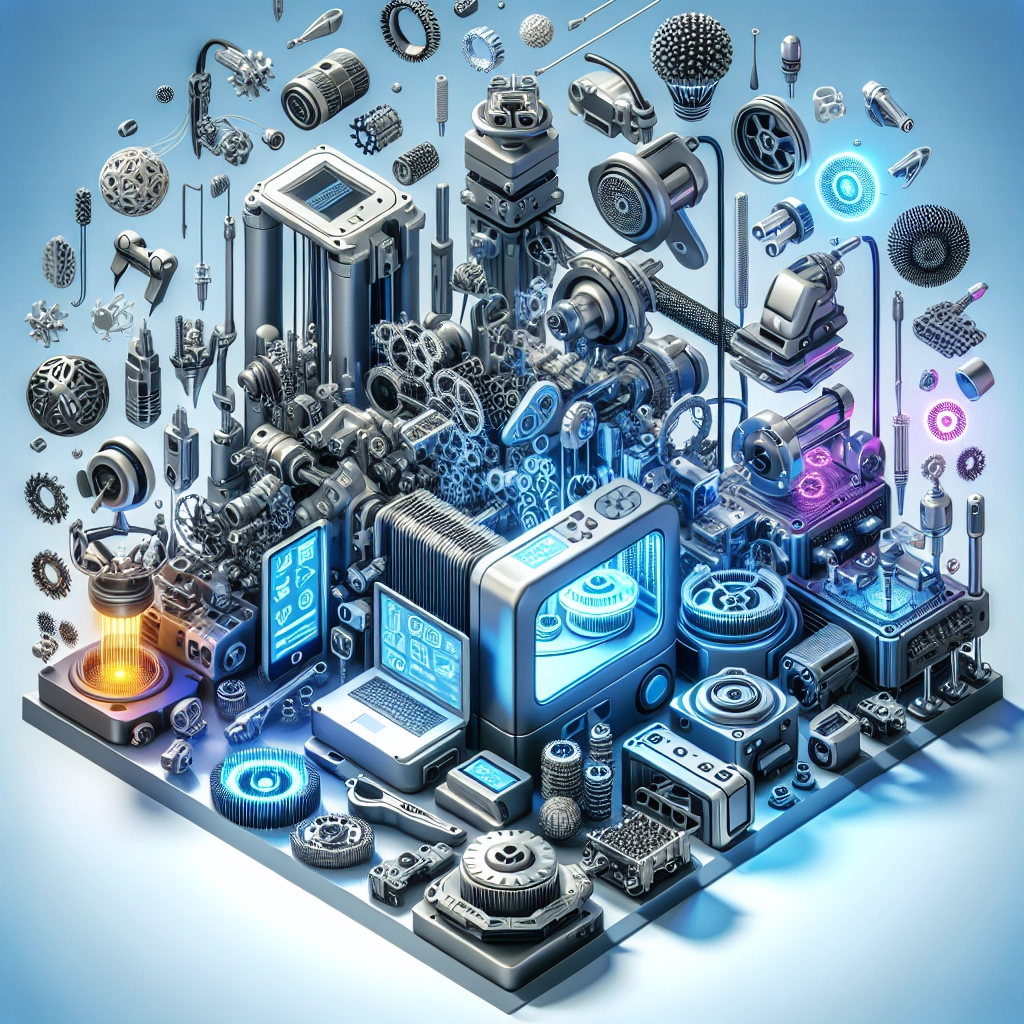
Innovations in 3D Printing Technology: What’s New and Exciting
3D printing technology has come a long way since its inception. Once the realm of prototypes and limited production runs, the world of additive manufacturing has exploded with innovation and creativity. Whether you’re a hobbyist, a manufacturing guru, or simply someone fascinated by technology, there’s plenty to discover. So, let’s dive into the latest and greatest in 3D printing!
The Rise of Bioprinting
One of the most talked-about innovations in 3D printing is bioprinting. Imagine a future where we can print human organs for transplants! We’re not quite there yet, but researchers are making remarkable strides in this field. Using bio-inks made from living cells, scientists are beginning to create tissues that mimic real biological functions. This technology holds the potential to revolutionize medicine, not only by providing organs for transplantation but also by creating tissues for testing drugs, thus reducing the need for animal testing.
Sustainable Materials
As the world becomes more aware of its environmental impact, sustainable materials in 3D printing are gaining traction. Innovations such as recycled filaments and bio-based materials are flooding the market. For example, companies are producing 3D printing filaments made from recycled plastic bottles, providing an eco-friendly alternative to traditional materials. Plant-based filaments made from materials like cornstarch or hemp are also on the rise, making it easier for businesses and hobbyists to adopt sustainable printing practices. This not only helps reduce waste but also encourages a greener approach to manufacturing.
Multi-Material Printing
Multi-material printing is another exciting development that is pushing the boundaries of what 3D printing can achieve. With traditional printers, you were limited to a single material, but now we’re seeing devices that can layer different materials together in a single print job. This means you can combine hard plastics with softer elastomers, creating flexible yet durable results. Think about the implications—things like customized prosthetics that fit perfectly and behave just like human limbs, or intricate designs that were once impossible to create in one go.
Speed and Efficiency Improvements
Speed has always been a bottleneck in 3D printing, but new technologies are changing that narrative. Recent advancements in printer technology, like Continuous Liquid Interface Production (CLIP) and Bound Metal Deposition (BMD), are making 3D printing faster than ever before. The CLIP process uses a UV light to cure liquid resin, allowing layers to form smoothly and quickly, cutting down production times significantly. This is especially relevant for industries like automotive and aerospace, where time equals money.
Metal 3D Printing
While plastic has largely dominated the conversation around 3D printing, metal 3D printing is experiencing a renaissance. Metal additive manufacturing has traditionally been challenging due to the high costs and complexity of the materials involved. However, innovations have made metal printing more accessible and affordable. Techniques like Selective Laser Melting (SLM) and Electron Beam Melting (EBM) enable the creation of intricate metal parts that are not only lightweight but also incredibly strong. Industries such as aerospace, automotive, and healthcare are leveraging these breakthroughs to produce complex components that were previously too costly or impossible to make.
Personalized Production
One of the most exciting aspects of 3D printing technology is its ability to produce personalized items on demand. Whether it’s custom-fit eyewear or unique jewelry designs, consumers are now expecting products tailored just for them. The beauty of 3D printing is that you can create items directly from a digital file, allowing for a level of customization that traditional manufacturing simply can’t match. Companies are offering platforms where customers can create their own designs, upload them, and have them printed and delivered directly to their doorstep.
The Future is Bright
As we look toward the future of 3D printing, it’s exciting to consider how these innovations will continue to influence various industries and everyday lives. The integration of artificial intelligence in 3D design, enhancements in usability, and continued developments in materials are just the tip of the iceberg. Whether you’re interested in creating artistic masterpieces, developing life-saving medical treatments, or simply blowing off some steam with a weekend 3D printing project, this technology offers something for everyone.
The magic of 3D printing lies in its capability to turn dreams into reality. With every breakthrough, we’re one step closer to a world where imagination can flourish unencumbered by the limitations of traditional manufacturing. The future is not just about printing objects—it’s about printing possibilities.