


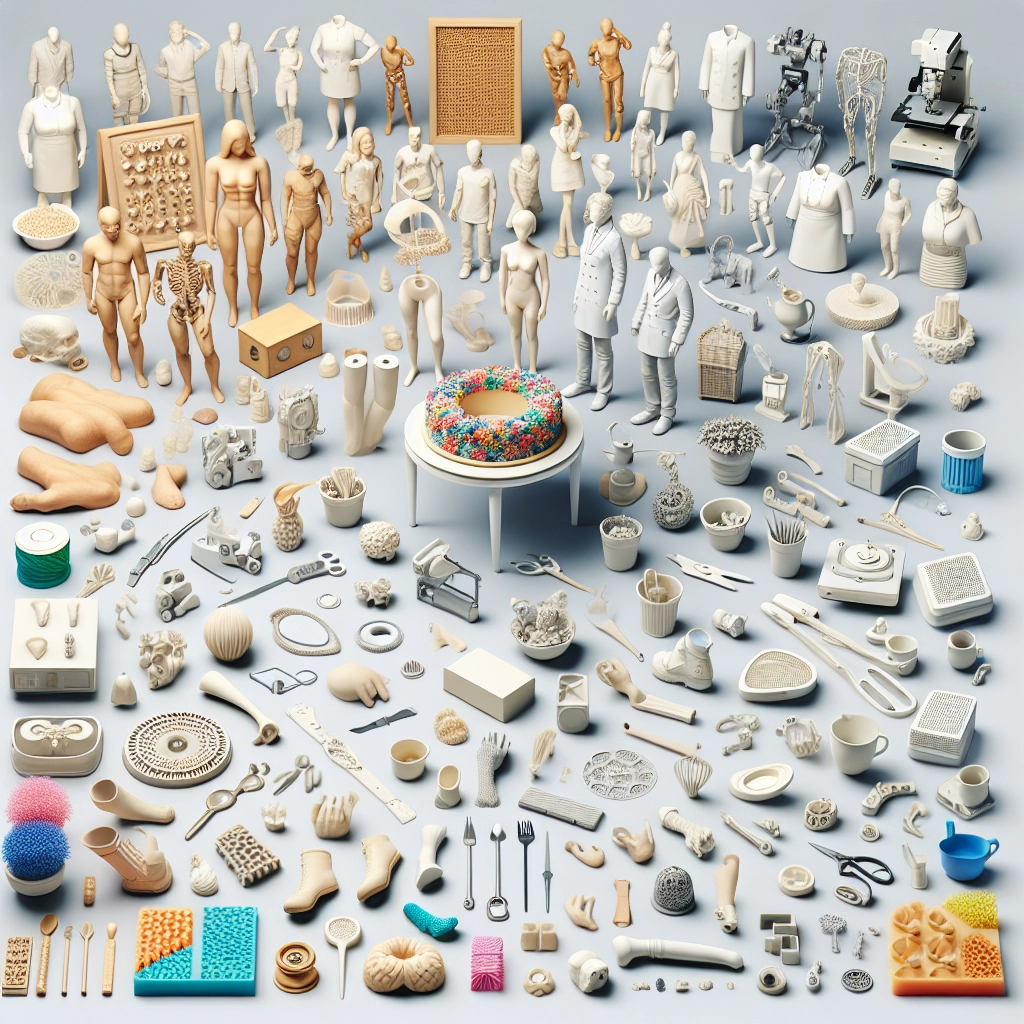
Discovering Niche Markets for 3D Printed Products
The advent of 3D printing has revolutionized the way we think about production and design. It empowers entrepreneurs and makers to bring their ideas to life with minimal startup costs. As the technology continually advances, the possibilities seem virtually limitless. But with such potential comes the question: how do you find the right niche market for your 3D printed products?
Finding the right niche market isn’t just about having a great product; it’s about carving out a space where you can stand out amidst the noise. Here’s how you can discover lucrative niche markets for your 3D creations.
Identify Problems to Solve
Every great product usually solves a problem. Start by asking yourself what issues people face daily. Then think about how 3D printing can provide a solution. For example, consider specialized tools for hobbies such as fishing or crafting. If you can create a unique, ergonomic fishing lure mold that reduces waste and is cost-effective, you might find eager buyers among outdoor enthusiasts.
Alternatively, you might consider accessibility products, such as custom grips for tools or adaptive devices for individuals with disabilities. The niche is not just about crafts or hobbies; it’s about innovation that comes from empathy and understanding.
Explore Emerging Trends
The 3D printing landscape changes rapidly, often driven by technological advancements and emerging consumer interests. Take some time to explore trends in various industries. For example, sustainable products have taken center stage in recent years. If you can create biodegradable or recyclable 3D printed items, you might be tapping into a niche that is both timely and ethically appealing.
Keeping an eye on social media and online marketplaces can also provide insights into what’s trending. Platforms like Instagram and Pinterest are excellent for spotting upcoming trends. Look for hashtags related to 3D printing or specific industries, and see what products are garnering attention.
Consider Your Passion
While it’s crucial to identify market needs, it’s equally as important to align your 3D printing efforts with your own interests and passions. If you love gaming, for instance, you might explore creating custom game pieces or accessories. Not only will your enthusiasm shine through in your work, but you’ll also have a deeper understanding of your customer base.
By blending your skills and passions with market opportunities, you’re more likely to find a niche that resonates with customers and keeps you motivated through challenging times.
Test the Waters with Small Batches
Once you have a few ideas, don’t dive headfirst into full-scale production right away. Start small with prototype runs or limited releases. This approach not only keeps your investment low, but it also allows you to gather valuable feedback from potential customers. Listen to their opinions and pay attention to what features people love or dislike. Tailor your offerings based on this feedback to ensure you’re headed in the right direction.
Utilize online marketplaces like Etsy or Amazon, where you can set up shop without committing to huge inventory investments. This way, you can gauge interest and sales performance while learning more about your target audience.
Network Within Communities
Don’t underestimate the power of community. There are countless forums, social media groups, and local meetups for 3D printing enthusiasts. Engaging in these communities can help you discover what others are working on, share ideas, and even find potential collaborators. Not only can you network with like-minded individuals, but you can also learn from their successes and setbacks.
Join Facebook groups, Reddit communities, or even meetups in your area. These spaces are brimming with creativity, and connections made here could lead to partnerships or new ideas.
Look Beyond Traditional Markets
Finally, don’t just focus on traditional retail opportunities. Industries you might not initially consider can offer significant potential for 3D printed products. For instance, healthcare is an amazing field where custom prosthetics and dental appliances can be created using 3D printing. Likewise, the automotive industry often requires custom parts, which is another fruitful market.
The key is to research and identify industries that are either underserved by traditional production methods or ripe for innovation through 3D printing technology.
As you venture into the exciting world of 3D printing, remember that the best niche markets often lie in the intersection of your interests, market demands, and an innovative mindset. The journey might involve some trial and error, but with persistence and creativity, you can carve out a unique space in this rapidly evolving landscape. So grab that 3D printer, fire up your imagination, and see where it takes you!