


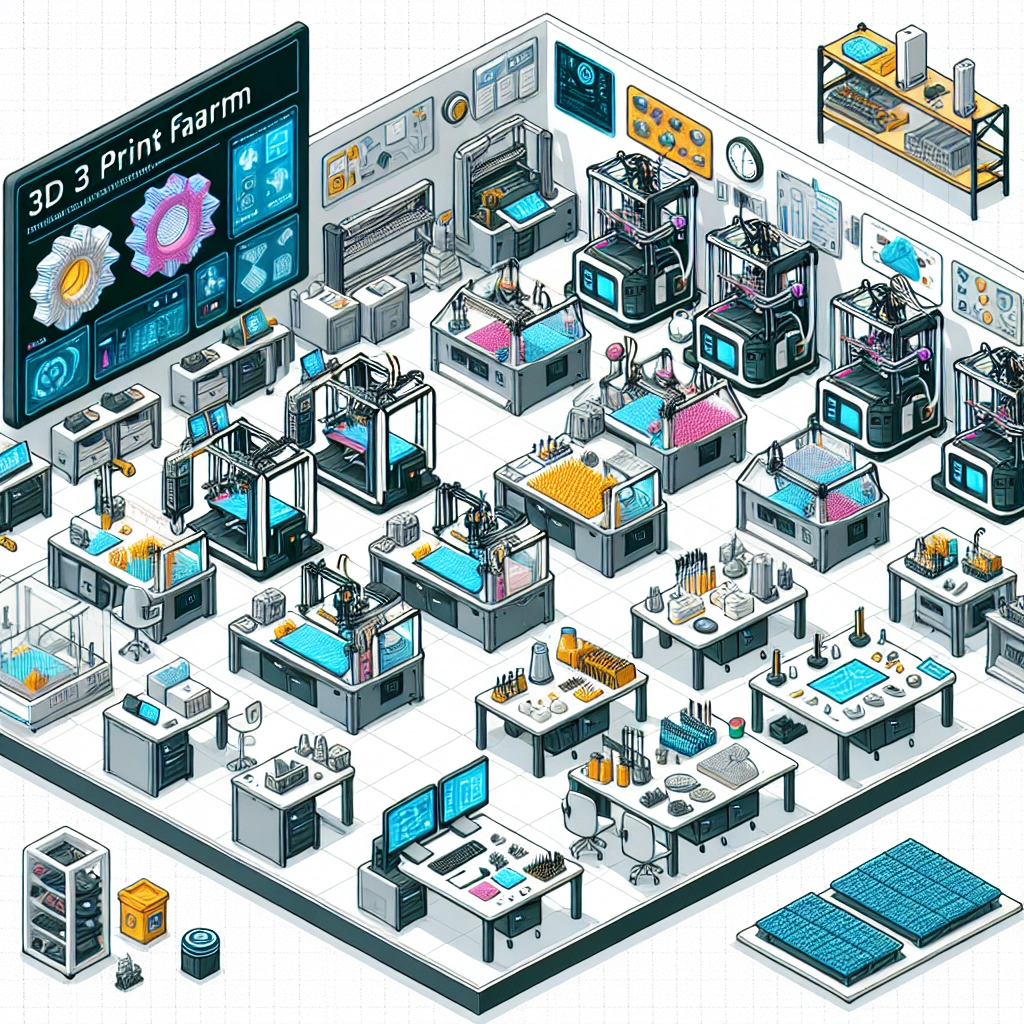
Building a 3D Print Farm: Tips for Scaling Up Your Production
If you’re a 3D printing enthusiast or have dabbled in it as a side hustle, you may have considered scaling up your production capabilities. Whether you’re aiming to start a small business or just want to feed your creative urges on a larger scale, a 3D print farm can be both a rewarding and complex venture. It’s exciting to think about producing multiple prints simultaneously, but there’s a lot to consider when transitioning from a few printers to an entire farm. Here are some tips to help you scale up your 3D printing production like a pro!
Choosing the Right Printers
First things first: not all printers are created equal. Depending on what you’re planning to produce, some printers may be better suited for your needs than others. Do your research and consider what type of prints you’ll be creating—are they detailed miniatures, larger functional parts, or something else entirely?
You’ll want machines that balance speed, precision, and reliability. Consider opting for printers that have a good track record and the ability to be networked together. If you’re just starting out, it might be wise to focus on a few models first before expanding to a wider range. This helps maintain consistency in quality and eases your learning curve.
Setting Up the Space
Once you have your printers lined up, it’s time to think about location. A dedicated workspace for your 3D print farm is crucial. A well-ventilated area is a must—especially if you’re working with filaments that can release fumes. You’ll need enough room for your printers, as well as space for materials, tools, and finished products.
Consider the layout as well. Grouping printers by type can make it easier to manage them. You may also want to think about the wiring and accessibility to power outlets; running multiple printers will require a good power supply, and you don’t want to be tripping over cords!
Create an Efficient Workflow
In any production space, workflow is vital. Once you’re printing, you need a system in place to easily manage jobs. Consider software that allows for centralized management. Many slicers offer features to queue prints, and some even support remote monitoring. This means you won’t have to be physically present for every print.
Establish clear processes for everything—from the initial design phase to cleaning up after prints are done. Good practices help prevent mistakes and minimize downtime, which is especially important when you’re trying to scale up.
Optimize Material Choices
When running a print farm, material selection can significantly impact production efficiency and costs. Bulk buying materials can save money long-term, but be sure to store them properly to maintain quality. Understanding the properties of the different filament types can also be enlightening. For instance, using PLA instead of ABS for certain projects can simplify your workflow, as PLA is easier to print with and more forgiving.
Keep an eye on the feedstock; jams can halt productivity and frustrate your workflow. A little upfront research goes a long way in selecting the right materials for specific projects, ensuring you’re not only optimizing your resources but also maintaining quality.
Monitor and Maintain
Just like any farm, your 3D print farm requires regular maintenance to keep it running smoothly. Set a schedule for preventative maintenance—this includes cleaning print heads, checking belts, and occasionally updating firmware on your printers. Regular checks can catch small problems before they turn into larger issues that could halt production.
Investing in monitoring systems can help too. There are various solutions on the market that provide alerts for print failures, connection issues, and even environmental controls, so you’ll know what’s going on at all times with minimal oversight.
Embrace Community Knowledge
Scaling up can be daunting, but you don’t have to go it alone. The 3D printing community is rich with knowledge and resources. Engage in online forums, attend local meetups, or join social media groups dedicated to 3D printing. You’ll find a wealth of tips, tricks, and advice from others who’ve ventured down this path.
By sharing your experiences and learning from others, you’ll develop a network that can make all the difference when building and running your print farm. It’s empowering to know others are on the same journey and can provide support when needed.
Wrapping It All Up
Starting a 3D print farm is an exhilarating journey packed with technical challenges and creative opportunities. While it may require additional investment and a willingness to adapt, the rewards can be immeasurable. The key is to maintain thoughtful organization, make informed decisions, and tap into the collective wisdom of fellow enthusiasts. Before you know it, you’ll be producing prints faster, creating amazing projects, and enjoying the thriving world of 3D printing on a whole new level! So, roll up your sleeves, and let’s get printing!