


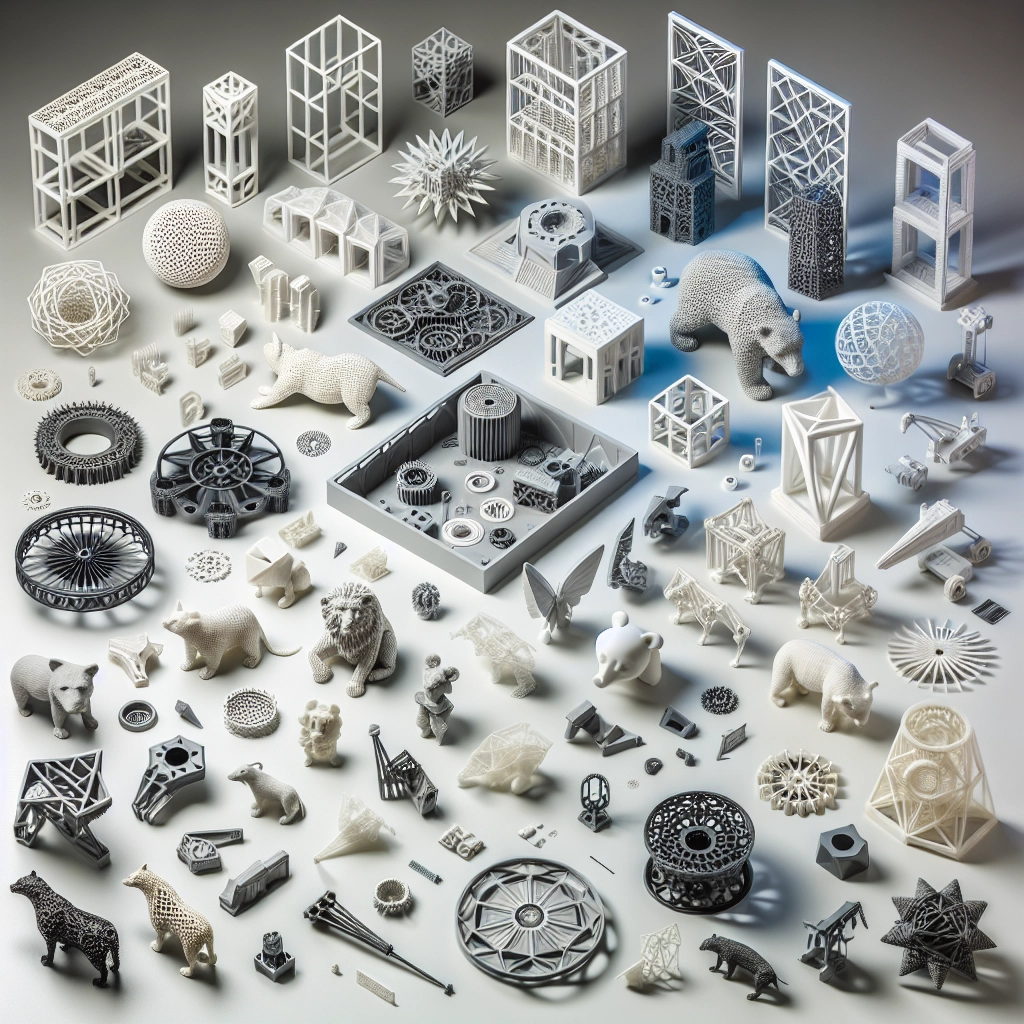
The Creative Possibilities of 3D Printing for Makers and Artists
In the world of art and creation, innovation often leads to exciting transformations. One of the most groundbreaking technologies revolutionizing this creative landscape is 3D printing. You may have heard about it; perhaps you’ve even seen some jaw-dropping creations online. But what’s the buzz all about? Let’s take a dive into the incredible possibilities that 3D printing opens up for makers and artists.
A Canvas Made of Plastic: The Basics of 3D Printing
At its core, 3D printing allows users to create three-dimensional objects from digital files by layering materials—most commonly, plastics—until the piece is complete. This technology, often referred to as additive manufacturing, reshapes the way artists approach their work. Unlike traditional production methods, which often require cutting, drilling, or molding materials, 3D printing builds items layer by layer, fostering a uniquely approachable way to experiment and iterate.
Imagine designing your dream sculpture digitally and seeing it materialize in front of your eyes. This level of customization frees artists from the limits of traditional mediums. You don’t just create; you can create anything from intricate jewelry to functional household items, all tailored to your specifications.
Empowering the Imagination
For makers and artists alike, 3D printing offers an array of creative possibilities that are groundwork for innovation. If you’re a sculptor, think about being able to print a large-format model that you can later cast in bronze. If you’re into fashion, consider the intricate 3D-printed garments and accessories that incorporate complex patterns and designs practically impossible to achieve by hand or with sewing machines. The ability to prototype and visualize ideas without the hefty initial costs or resource-intensive processes is liberating.
Furthermore, 3D printing encourages feedback and growth. An artist can quickly print a prototype of their design, critique it, make adjustments, and print a new version. This rapid iteration doesn’t just speed up the creative process; it sparks new ideas and methods of working, inspiring artists to explore genres they may not have initially considered.
Collaboration: A Creation in Community
One of the hidden gems of the 3D printing movement is the openness within the maker community. Platforms like Thingiverse and MyMiniFactory allow creators to share their designs with the world. This generosity of spirit turns single artists into parts of a broader ecosystem, where collaboration takes precedence over competition.
Imagine a designer in Berlin who’s shared a unique geometric vase design. A sculptor in São Paulo finds inspiration in that design and decides to use it as a base for their digital work. The possibilities of cross-cultural collaboration are endless! Whether you’re a seasoned expert or a beginner trying your hand at digital design, the community thrives on sharing knowledge and encouraging each other.
A New Kind of Art Form
What’s particularly fascinating about 3D printing is its potential to become a standalone art form. Artists like Joshua Harker have turned heads with their intricate 3D-printed works that emphasize the beauty of the printing process itself. The end piece feels almost like a digital artifact, challenging traditional perceptions of sculpture and spatial awareness.
Additionally, the accessibility of 3D software tools means artists can dive into the realm of digital creation with relative ease. Programs like Tinkercad or Fusion 360 cater to a wide range of skills, making it possible for anyone to sketch and realize their three-dimensional visions. This accessibility can revolutionize art education, making it easier for students and aspiring artists to harness their creativity.
Sustainability in Art
Another exciting aspect of 3D printing is its potential for sustainability. Traditional artists often deal with wasteful processes and toxic materials, but new eco-friendly filament options made from biodegradable or recycled materials are continually emerging. Artists are now able to create without the guilt of contributing to environmental degradation. This conscious approach not only resonates with audiences who value sustainability but also empowers artists to become advocates for the planet within their practices.
3D printing opens a realm of creative opportunities that blends technology with artistry, allowing makers and artists to explore, innovate, and collaborate like never before. With digital tools in hand, the only limit to what can be created is one’s imagination. So whether you’re a seasoned creator, a curious hobbyist, or simply someone fascinated by the possibilities, now is the perfect moment to get involved in this thrilling frontier of art and invention. As the saying goes, the world is your oyster—except now, the oyster can be 3D printed!