


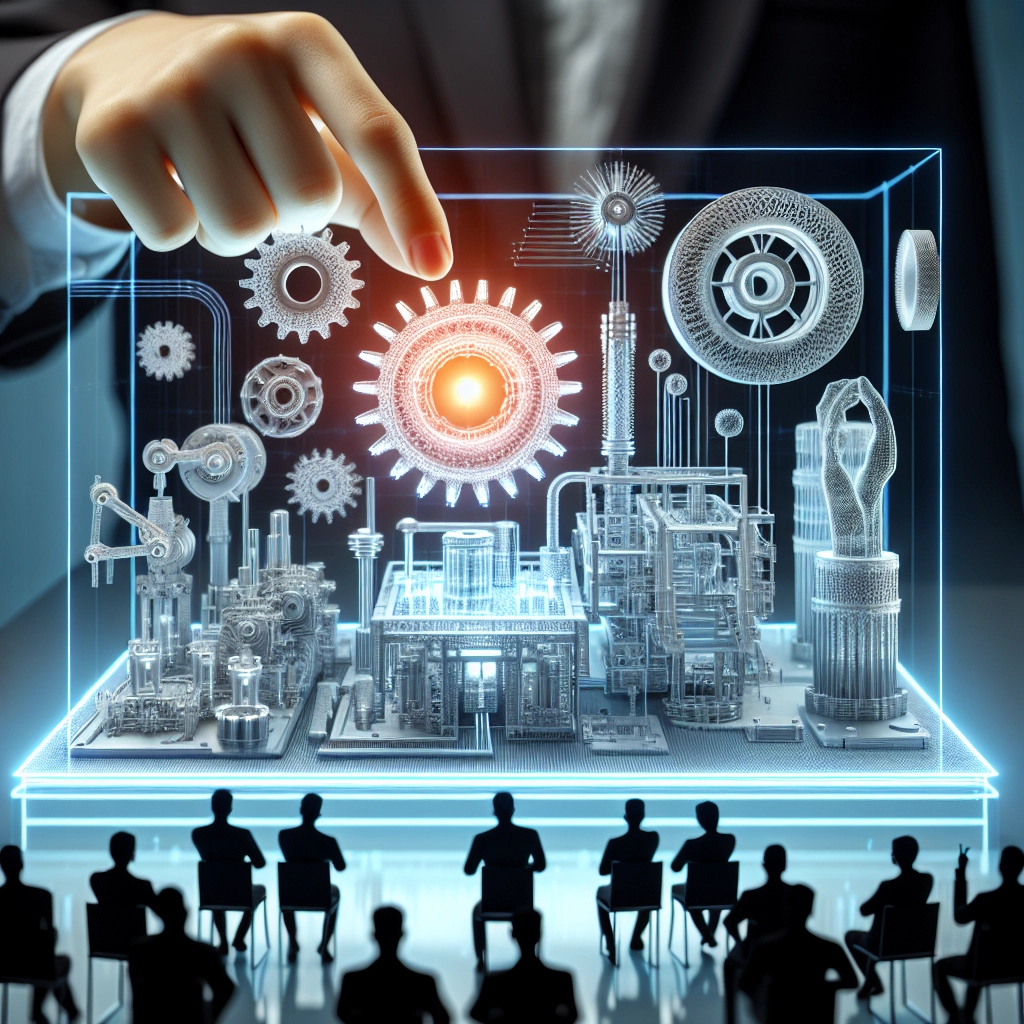
3D Printing for Prototyping: A Game-Changer for Businesses
In the fast-paced world of product development, innovation needs to happen at lightning speed. Traditional methods of prototyping can often feel like you’re trying to navigate a maze blindfolded—time-consuming, costly, and fraught with miscommunication. Enter 3D printing, a technology that’s transforming the prototype game for businesses of all sizes. If you’ve ever found yourself fascinated by the possibility of turning digital designs into tangible products at the push of a button, you’re not alone. Let’s dive into how 3D printing is revolutionizing prototyping and what it means for the future of business.
The Basics of 3D Printing
Before we get carried away, let’s take a moment to understand what 3D printing actually involves. At its core, 3D printing, also known as additive manufacturing, is the process of creating three-dimensional objects layer by layer from a digital file. This contrasts with traditional subtractive manufacturing methods that slice away material to create parts. With 3D printing, you can create complex shapes and structures that would be challenging, if not impossible, to achieve using conventional techniques.
Speedy Prototyping
One of the standout benefits of 3D printing is speed. In the world of business, getting a product out the door faster than your competitors can set you apart in a crowded marketplace. With 3D printing, designers can rapidly produce prototypes, making it possible to test and refine products in real time. Imagine being able to go from a digital concept to a physical prototype in a matter of hours instead of weeks. This streamlining not only accelerates development timelines but also helps prevent costly delays further down the line.
Cost-Effective Solutions
If there’s one thing every business is constantly mindful of, it’s the budget. Traditional prototyping can involve costly materials, specialized labor, and inventory storage for various components. With 3D printing, all you need is the right printer, some filament (or resin), and a design file. This significantly reduces the costs associated with material waste and labor-intensive processes. As a result, even smaller businesses or startups—often operating on shoestring budgets—can prototype their ideas without breaking the bank.
Expanding Design Possibilities
3D printing opens the door to a world of possibilities when it comes to design. You can create intricate geometries and custom features that would be nearly impossible through traditional manufacturing methods. This flexibility allows businesses to innovate freely, test new ideas, and develop optimized designs tailored to their target markets. For industries such as automotive or aerospace, where every ounce matters, 3D printing helps to create lightweight designs that maximize performance and efficiency.
Collaborative Prototyping
Another compelling aspect of 3D printing is that it enhances collaboration among teams. Designers, engineers, and stakeholders can easily share digital files, allowing for instant feedback and revisions. Moreover, with the ability to quickly print a prototype, teams can gather input and insights from clients or test groups almost immediately. This open line of communication between departments not only fosters a culture of creativity but also minimizes misalignment in the development process.
Sustainable Practices
As businesses become increasingly aware of their environmental footprint, 3D printing emerges as a more sustainable alternative to traditional methods. The ability to produce parts on-demand minimizes waste since materials are utilized more efficiently. Additionally, many companies are exploring the use of recycled materials for 3D printing, further contributing to a more circular economy. Adopting these practices can enhance a company’s reputation and appeal to eco-conscious consumers.
Looking Ahead: The Future of 3D Printing
As technology continues to advance, the possibilities for 3D printing are seemingly limitless. From bioprinting human tissue to producing entire buildings layer by layer, we may very well stand on the brink of a manufacturing revolution. Industries that leverage this technology for prototyping today can position themselves as leaders tomorrow.
3D printing for prototyping isn’t just a passing trend; it’s a game-changer that’s altering the way businesses approach product development. With faster speeds, lowered costs, enhanced design capabilities, and improved sustainability, companies are realizing the countless benefits that come with this technology. As you contemplate the future of your own projects, consider whether embracing 3D printing could be a pivotal step on your journey toward innovation and success. After all, in a world where adaptability is key, being at the forefront of emerging technologies could well be your best strategy for lasting impact.