


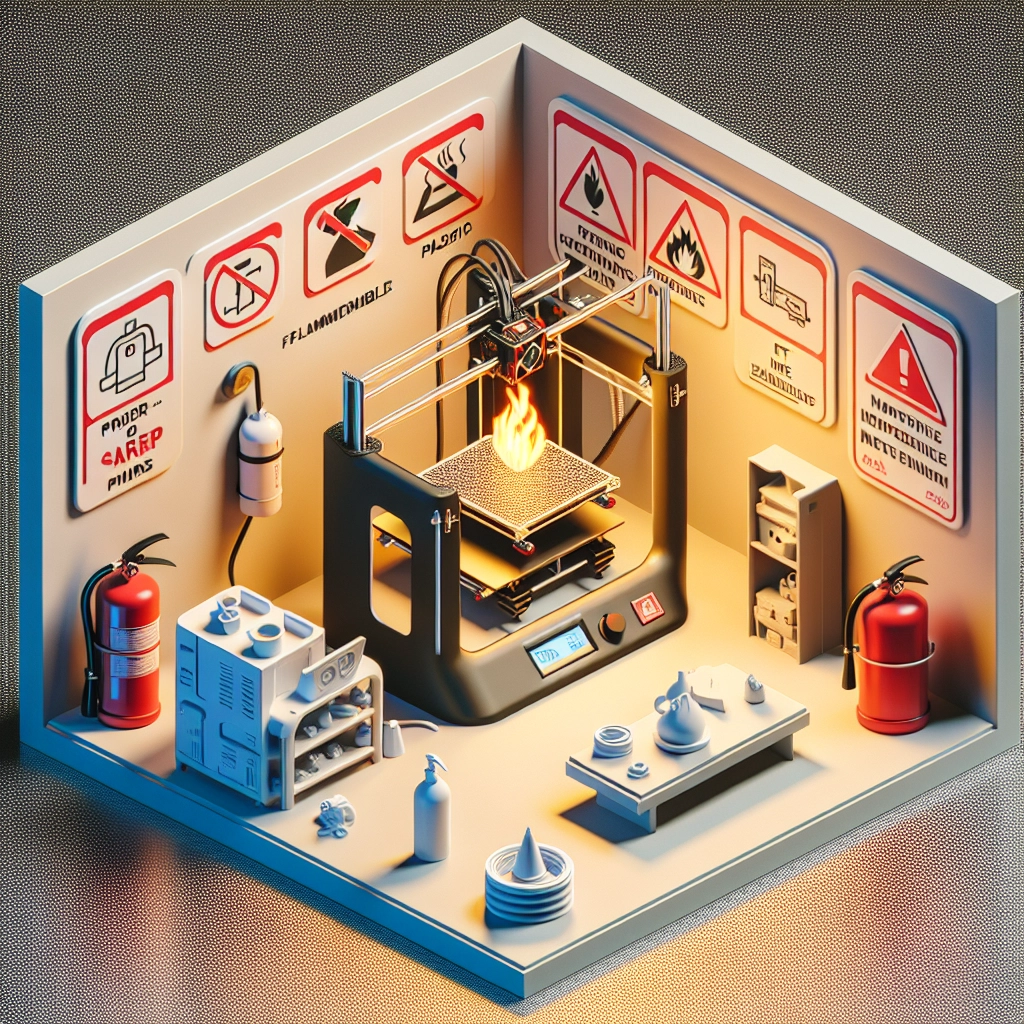
Safety Tips for 3D Printing at Home
3D printing has taken the world by storm, allowing enthusiasts, creators, and entrepreneurs to bring their ideas to life right from home. While it’s an exciting and innovative way to create, it’s essential to remember that safety should always come first. If you’re venturing into the world of 3D printing, there are some important safety tips to keep in mind to make your experience enjoyable and hazard-free.
Understand Your Equipment
Before diving headfirst into your 3D printing journey, take some time to familiarize yourself with your 3D printer specifics. Each printer comes with its own set of features, quirks, and potential hazards. Read the manual thoroughly to understand how your machine operates, and check for any manufacturer recommendations regarding safety. Keeping your printer well-maintained is also vital—regular checks can help you catch any potential hazards before they cause a problem.
Ventilation is Key
One of the most critical safety tips when 3D printing at home is ensuring your workspace is well-ventilated. Different filaments, particularly plastics like ABS (Acrylonitrile Butadiene Styrene), can emit fumes or odors that may not be pleasant, or even harmful, depending on the exposure level. If you can, set up your printing station in a well-ventilated area, or consider using an air filtration system specifically designed for 3D printing. Opening windows or using exhaust fans can also help circulate air and dispel any off-gassing from your materials.
Safety Gear
Although it may seem straightforward, don’t overlook the importance of personal protective equipment (PPE). While most 3D printing, especially with common materials like PLA (Polylactic Acid), is relatively safe, certain materials and processes involve risks. If you’re working with materials that produce fine particles, consider wearing a mask or respirator. Safety glasses can also protect your eyes from accidental splashes of resin when printing with SLA (Stereolithography) printers.
Fire Safety
It might sound drastic, but fire safety is essential with any electrical appliance—3D printers included. Consider placing your printer on a non-flammable surface away from combustible materials. As a precaution, keep a fire extinguisher nearby, particularly one rated for electrical or chemical fires. It’s also a good idea to never leave your printer running unattended for extended periods. Just as you wouldn’t leave the stove on when you step out, keep an eye on your 3D printing projects!
Handle Filaments With Care
Filament is what actually makes your 3D prints come to life, but it’s crucial to handle it properly. Materials like ABS and nylon can release irritant fumes when heated, and certain specialty filaments may contain chemicals that require caution. Always store filaments in a dry, cool place, and avoid inhaling any dust from sanding or processing the printed items. Additionally, keep filaments out of reach of children and pets—safety extends to your whole household!
Stay Organized
A cluttered workspace can quickly turn hazardous. Make sure to keep your 3D printing area organized to prevent any accidents. Store tools, materials, and spare parts in designated spots and always put everything away after use. Not only will this make your workspace safer, but it’ll also help you find what you need more easily, saving you time and frustration during your printing sessions.
Learn the Basics of First Aid
With any hobby that involves tools and equipment, it’s wise to have basic first aid skills under your belt. In the event of a minor injury—like a burn from the printer or a cut from a tool—knowing how to treat it quickly can prevent complications. Make sure to keep a first aid kit in your workspace, stocked with essentials like adhesive bandages, antiseptic wipes, and burn cream.
Be Mindful of Noise Pollution
While not a safety hazard in the traditional sense, noise can become an unexpected issue. That comforting hum of a 3D printer may start to blend into the background, but over prolonged periods, it can get loud. If you live in a shared space, consider running your printer during hours that won’t disturb others, or explore quieter printing options. It’s always a good call to keep the peace while pursuing your creative endeavors!
3D printing is an exhilarating journey that invites creativity and innovation into your home. By following these safety tips, you can ensure that your printing experience remains enjoyable and, most importantly, safe. So gear up, breathe easy, and let your ideas take flight—your next favorite creation is just a print away!