


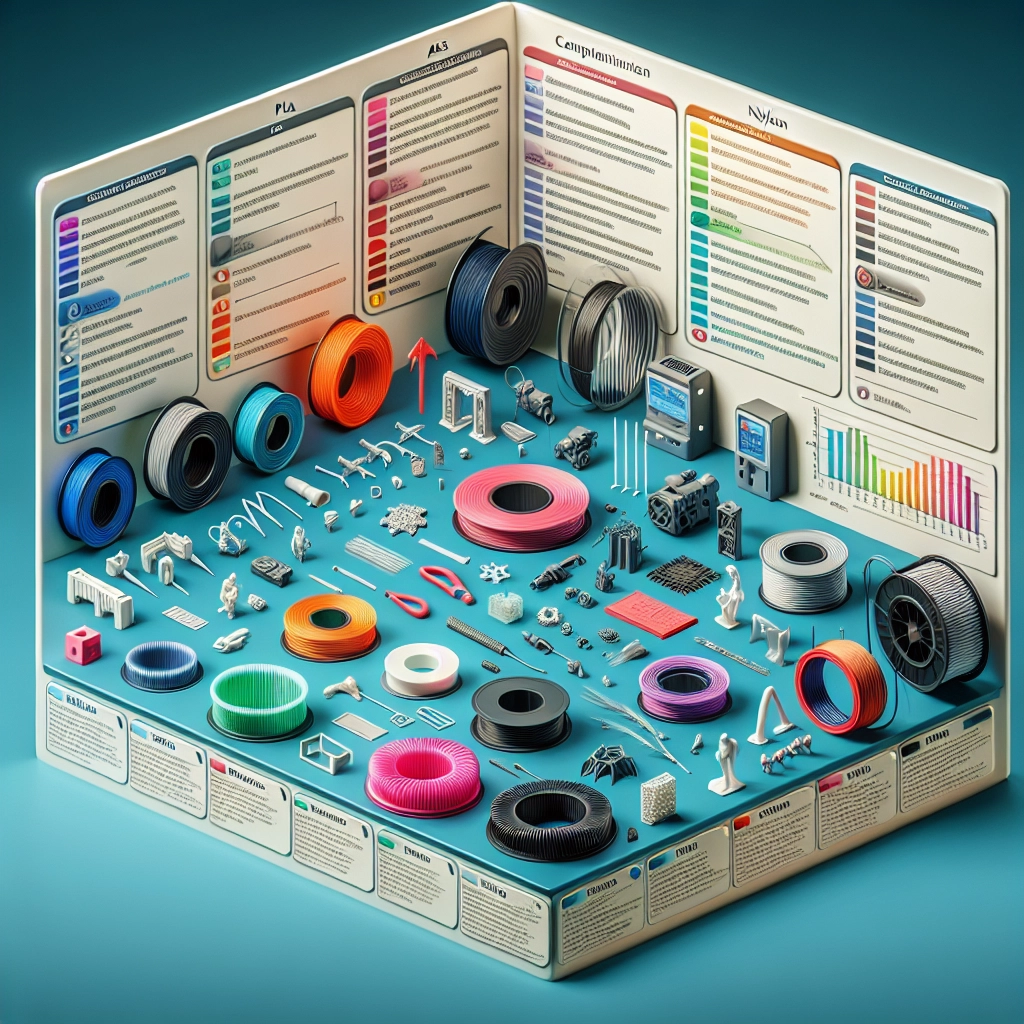
Choosing the Right 3D Filament for Your Projects
3D printing has taken the world by storm, captivating hobbyists, engineers, and creators alike. The magic often begins when choosing the right filament, as the material you use can significantly affect the quality and durability of your print. With so many options available, choosing the best filament for your project can feel like navigating a maze. But fear not! We’re here to break it down so you can find the perfect filament match for your 3D printing adventures.
Understanding 3D Filament Types
Most 3D printing enthusiasts start with the two most common types of filament: PLA (Polylactic Acid) and ABS (Acrylonitrile Butadiene Styrene).
PLA is a favorite among beginners. It’s made from renewable resources like corn starch and sugarcane, giving it a sweet eco-friendly appeal. PLA is easy to print, adheres well to surfaces, and is available in a rainbow of colors. Most importantly, it emits a mild, pleasant smell when heated—definitely a bonus for those long printing sessions. However, PLA can be brittle and isn’t as heat-resistant as some of the other filaments. If your creation will be exposed to heat or stress, you may want to consider something sturdier.
ABS, on the other hand, is a tougher filament. It’s known for its durability and impact resistance, making it a reliable choice for functional parts and prototypes. It can withstand higher temperatures than PLA, but it’s not without its quirks. ABS requires a heated bed and can warp if not printed carefully. Also, the fumes it emits can be unpleasant, so ensuring good ventilation while printing is crucial.
Exploring Specialty Filaments
As you delve deeper into the 3D printing world, you’ll encounter a variety of specialty filaments that can elevate your projects to the next level.
PETG (Polyethylene Terephthalate Glycol) has gained popularity for its impressive strength and flexibility. This filament is both durable and resistant to moisture, making it perfect for outdoor applications or items that might encounter water. Plus, it’s less likely to warp than ABS, making it user-friendly for those who want durable prints without the headaches.
TPU (Thermoplastic Polyurethane) is a flexible filament that opens up a world of possibilities for creating bendable or stretchable designs. Think rubbery items like phone cases or custom gaskets. If you want to add a bit of elasticity to your project, TPU is the way to go. Just remember, its flexibility can make it a bit tricky to print, so some experience might be helpful.
Nylon is another heavy-hitter in the 3D filament arena. Renowned for its strength, resilience, and flexibility, nylon is ideal for functional parts that require durability. However, it can be tricky to print because it absorbs moisture from the air, so be sure to keep it dry and store it properly.
Consider Your Project’s Needs
When selecting filament, think about the specific needs of your project. Do you need something simple and quick for a prototype? PLA is likely your best bet. Are you aiming for something sturdy that can withstand outdoor conditions? PETG or ABS could be your go-to.
You should also consider the visual aspect of your project. Some filaments have different finishes and textures that can enhance your design. For instance, a woodfill filament gives the appearance of wood, allowing you to create unique pieces like decorative items with a wooden touch. Metallic filaments can add a sleek finish, offering a more polished look to your creations.
Experiment and Learn
One of the joys of 3D printing is experimenting with different materials. Don’t hesitate to try out various filaments and see how they respond to your specific printer settings and designs. Many 3D printing enthusiasts find that a little trial and error can lead to some amazing discoveries and even better projects.
While choosing the right filament might seem daunting at first, remember that it’s part of the fun and learning process. Each material offers unique characteristics, giving you the ability to craft prints that fit perfectly into your creative vision. So, roll up your sleeves, load up that filament, and get printing! You never know what new possibilities might emerge from your next project. Happy printing!