


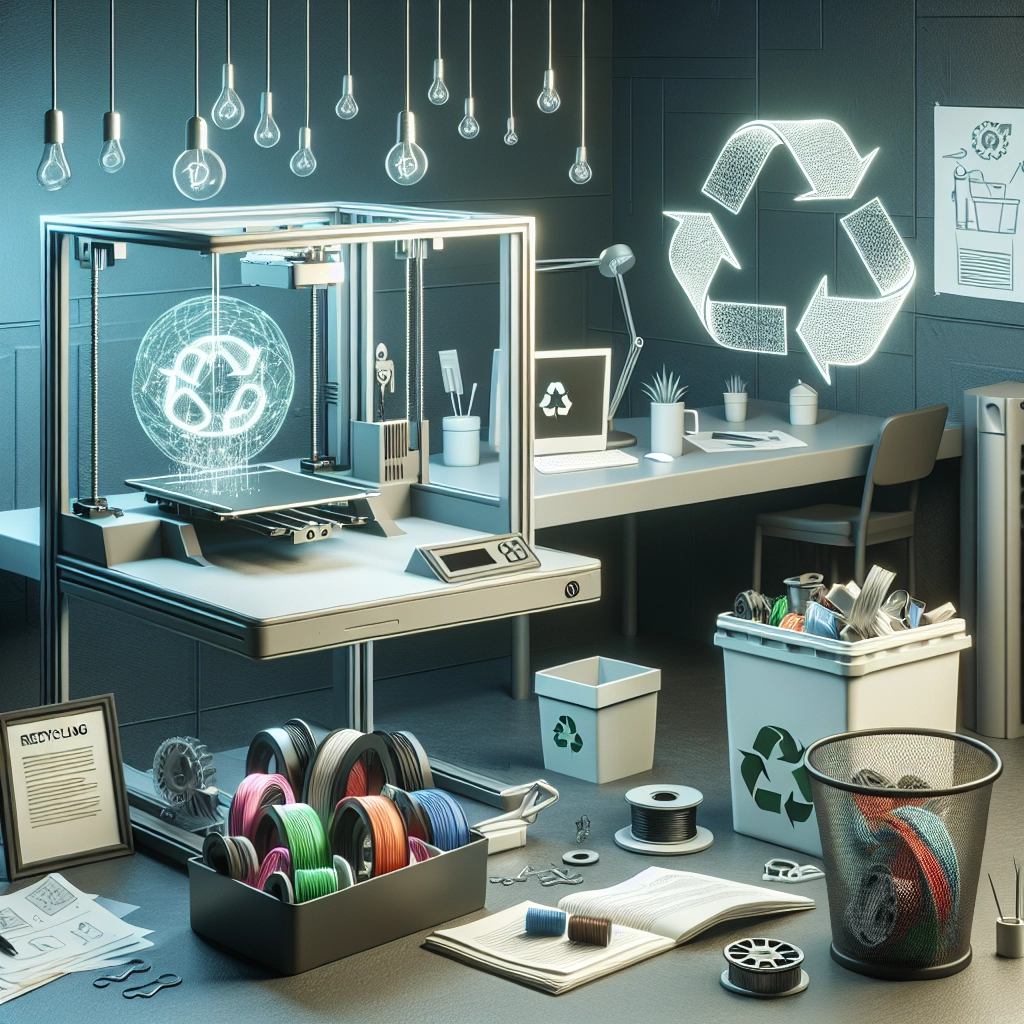
Filament Recycling: How to Make Your 3D Printing Sustainable
In recent years, 3D printing has revolutionized the way we think about design and prototyping. You can whip up everything from intricate jewelry to functional robot parts right from your own machine. But with this innovation comes a significant challenge: waste. Traditional 3D printing can generate a fair amount of plastic scrap and leftover filament, which contributes to the growing problem of plastic pollution. Thankfully, filament recycling offers a creative way to combat this issue while keeping the spirit of innovation alive.
Understanding Filament Waste
Before we dive deep into recycling, let’s get the big picture. The most popular materials for 3D printing filament—like PLA, ABS, and PETG—are derived from petroleum-based substances. While there are some biodegradable options out there, many of these materials still have lengthy decomposition timelines, which isn’t great for our planet. To make matters worse, failed prints, supports, and even leftover filament contribute to the ever-growing piles of plastic waste.
But fear not! The journey toward sustainable 3D printing isn’t insurmountable. Instead of tossing unwanted bits into the trash, you can recycle them in a few different ways.
How to Recycle Your Filament
The journey of recycling filament can take several forms. Here are some tips and techniques you can use to give that excess plastic a second chance:
1. Filament Recycling Machines
One of the more popular ways to recycle your filament is through dedicated filament recycling machines. These compact devices can take your old prints and leftover filament and grind them down into small particles. From there, the machine can extrude these particles back into filament of your preferred diameter! Machines like the Filabot and the Refil are excellent options for hobbyists who are serious about sustainability.
2. Shredding and Repurposing
If you don’t have access to an expensive recycling machine, you can still recycle your filament by shredding it manually. Using a standard shredder or a low-cost granulator, you can break down your failed prints and leftover filament into much smaller pieces. Once shredded, you can use the plastic pieces to fill up prints or even integrate them into new designs. This approach not only reduces waste but also adds a unique texture or appearance to your creations.
3. Partnering with Community Programs
You might be surprised to learn that many cities have community programs dedicated to recycling plastics, including 3D printing waste! Check your local recycling guidelines to see if they accept 3D printing materials. Additionally, some schools, maker spaces, or innovative companies are establishing collection programs for 3D printer waste. Sharing your excess filament or failed prints can contribute to a larger community-based recycling effort.
4. Using Eco-Friendly Filaments
As you’re looking at ways to recycle, consider shopping for eco-friendly filaments in the first place. Materials sourced from renewable resources or those designed to be biodegradable can dramatically reduce the environmental impact of your 3D printing projects. Brands like NatureWorks and Filamentum are paving the way for biodegradable or recycled options. Making a conscious choice about your initial materials means fewer waste issues down the road!
Creative Ideas for Reusing Old Prints
Beyond recycling, how about getting creative with the old prints you already have? There are countless ways to repurpose your 3D prints rather than simply shredding them! From turning them into planters, decorative pieces, or even custom furniture, the only limit is your imagination. You can also participate in community art projects that utilize recycled materials, transforming waste into beautiful works of art.
Why It Matters
So, why should we put so much emphasis on recycling filament? The truth is that every small action counts in our collective effort to combat plastic pollution. By being mindful of our 3D printing habits—and taking steps to recycle, repurpose, or even just choose better materials—we can contribute to a healthier planet without sacrificing our creative pursuits.
As we embrace a more sustainable approach to 3D printing, it’s great to remember that this isn’t just about saving the environment; it’s also about inspiring others to do the same. The more we share our knowledge and creative recycling methods, the more we can influence the world of 3D printing as a whole.
With a little effort, you can turn your 3D printing projects into sustainable triumphs that not only spark joy but also support the health of our planet! So, what are you waiting for? Let’s get recycling!