


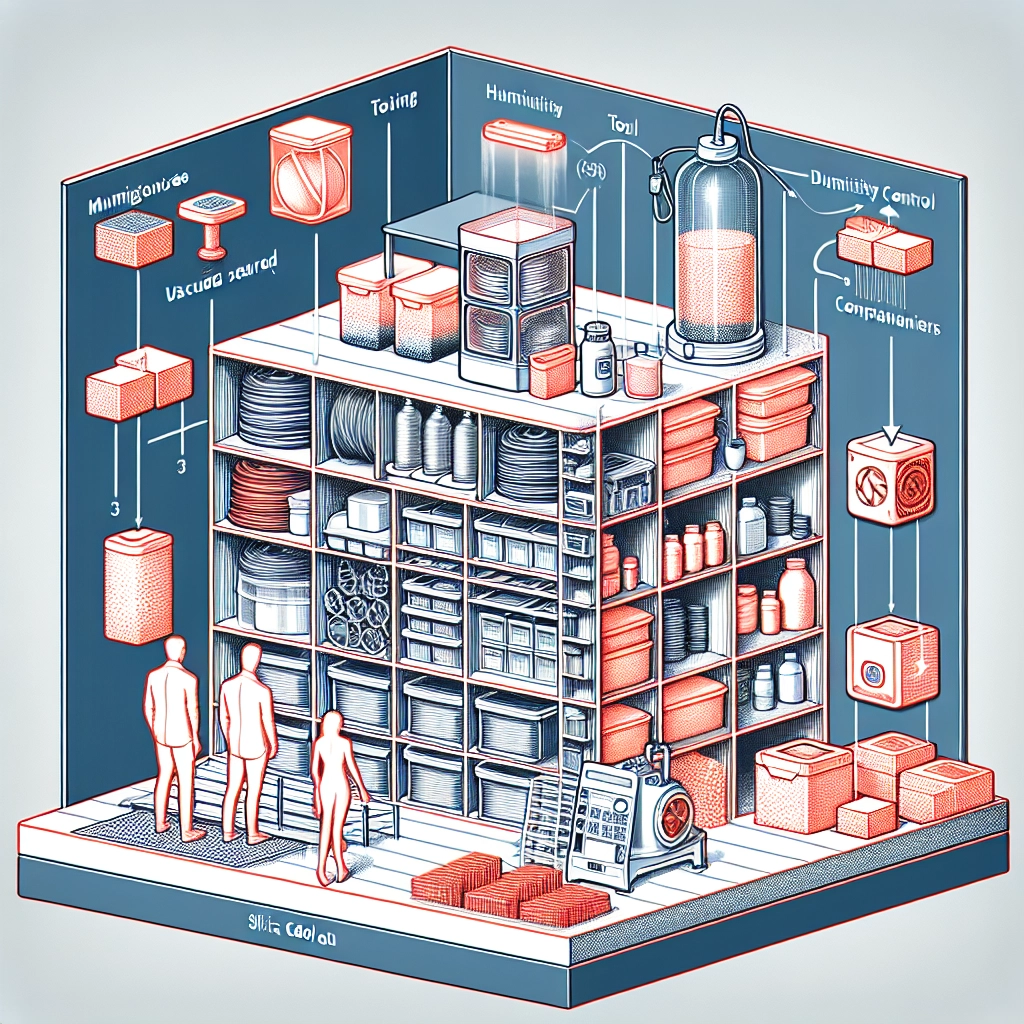
3D Filament Storage Solutions to Keep Your Filaments Fresh
If you’re a 3D printing enthusiast, you know that filament is the lifeblood of your creative projects. But did you know that proper storage is just as important as the printer itself? Poorly stored filament can absorb moisture and become brittle, leading to frustrating print failures. To help you keep your filaments fresh and ready for action, let’s dive into some practical storage solutions that will ensure your material is always in peak condition.
The Moisture Problem
Before we get to storage solutions, it’s essential to understand why moisture is the enemy of 3D filament. Many filaments, especially PLA, ABS, and nylon, can absorb humidity from the air. When filaments absorb moisture, they can bubble and steam when heated, resulting in poor-quality prints and nozzle clogs. So, preventing moisture exposure should be your primary goal when choosing a storage method.
Sealed Containers
One of the most effective ways to store filament is to use airtight containers. These can be anything from large Tupperware bins to specialized filament storage boxes. Here are a few features to look for:
- Airtight Seal: Make sure that whatever container you choose seals tightly to keep moisture out.
- Clear Material: If you like to see what you have at a glance, clear containers will help. You can also label them for quick identification.
- Desiccant Packs: Throw in some silica gel packs to absorb any lingering moisture. Just be sure to replace them periodically to maintain effectiveness.
Vacuum Sealing
For the ultimate protection against moisture, consider vacuum sealing your filament. Vacuum seal bags can remove almost all the air (and moisture) from the equation, making them a go-to solution for long-term storage. Here’s what you’ll need:
- Vacuum Sealer: Invest in an affordable vacuum sealer that works for bags. Most options on the market are user-friendly.
- Compatible Bags: Use bags that are thick enough to withstand the heat from the filament but thin enough to create a solid vacuum seal.
Keep in mind that you’ll need to break out the vacuum sealer each time you want to access a roll. If you often switch between different types of filaments, this might not be the most practical option, but it’s fantastic for longer-term storage.
Filament Dry Boxes
For those who want to keep the workflow smooth, consider investing in a filament dry box. These handy devices offer both storage and moisture control in one package. Available in various models and sizes, they often come with features like:
- Hygrometer: Many dry boxes include a built-in hygrometer, allowing you to monitor humidity levels in real time.
- Heater: Some advanced models even provide heating options to maintain the perfect temperature and further combat moisture.
- Integrated Spool Holder: This allows you to load the filament and print directly without unboxing.
While they may come at a higher price point, a quality dry box can be worth the investment, especially if you frequently print with moisture-sensitive materials.
DIY Solutions
Creativity doesn’t have to end at printing! If you’re on a budget or enjoy DIY projects, you can easily create your own filament storage system. Here are some easy ideas to get you started:
- Plastic Buckets: Invest in 5-gallon buckets with a gasket seal. Adding a few silica gel packs will serve the same function as commercial options at a fraction of the cost.
- Old Jars: Repurpose glass jars or wine bottles for smaller rolls. Fabrics like vacuum-sealed bags or desiccant pouches can effectively keep them fresh.
- Repurposed Coolers: If you have an old cooler lying around, you can convert it into a moisture-proof storage container by adding desiccant packs.
Organizing Your Setup
Regardless of how you choose to store your filaments, organization will save you time and hassle later on. Here are a few tips to keep everything neat and accessible:
- Label Everything: Make sure to label each container or bag clearly to avoid confusion during quick setups.
- Color Coding: If you have multiple colors or types, color coding can be an excellent visual aid for quick identification.
- Schedule Refreshes: Consider checking your storage conditions from time to time, especially if your storage space has fluctuating temperatures or humidity levels.
Maintaining a successful 3D printing hobby goes beyond just buying the right materials and tools; it also requires thoughtful storage solutions to keep everything in optimal condition. By implementing some of the strategies mentioned—from airtight containers to DIY setups—you’ll ensure that your filaments remain fresh and ready for your next creative endeavor. Happy printing!