


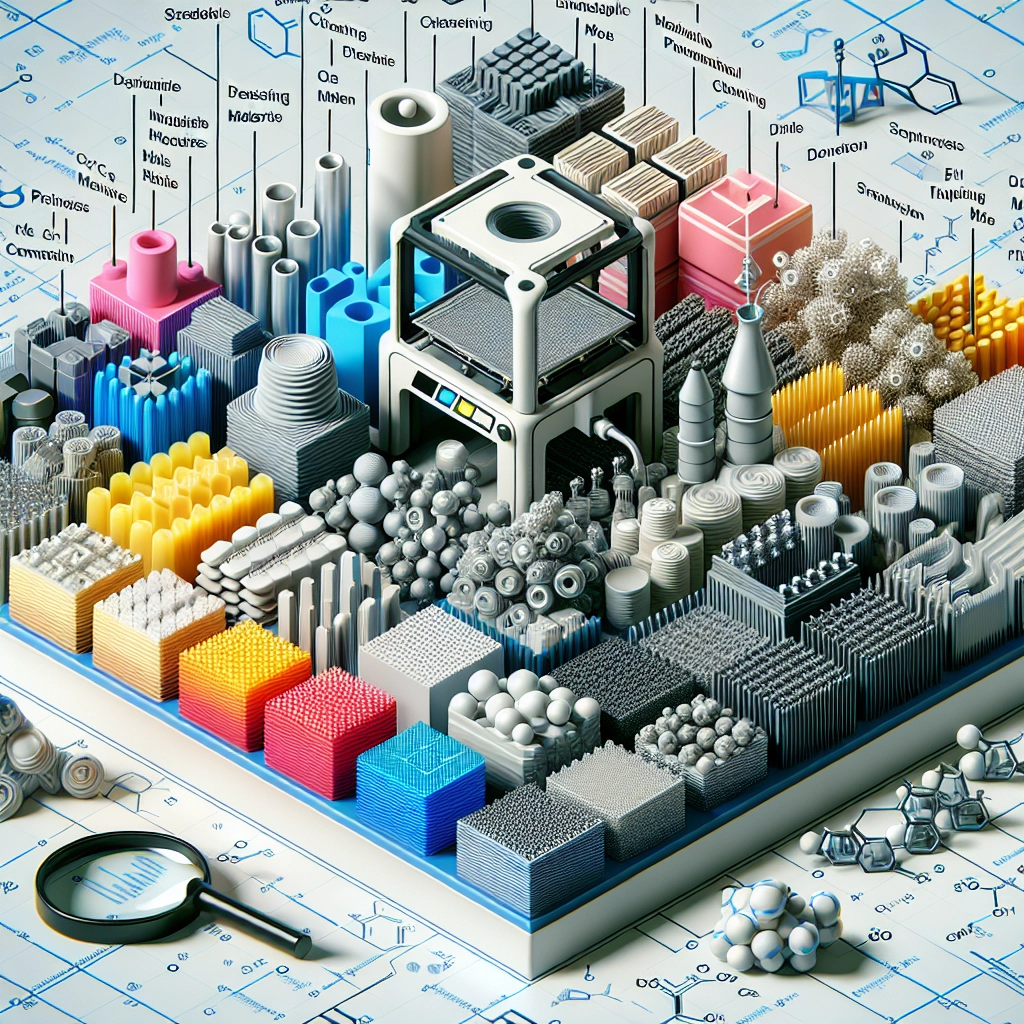
Understanding the Science Behind 3D Printing Materials
3D printing has revolutionized the manufacturing landscape, bringing innovative techniques into realms from healthcare to aerospace, and even to your own home crafting endeavors. But as fascinating as the process is, the real magic happens behind the scenes with the materials used in printing. Let’s dive into the science of 3D printing materials to understand how they affect the quality, durability, and functionality of printed objects.
The Basics of 3D Printing Materials
At its core, 3D printing—also known as additive manufacturing—builds objects layer by layer from digital models. The materials used in this process can be broadly categorized into thermoplastics, metals, ceramics, and bio-materials.
-
Thermoplastics: These are the most common materials for 3D printing, particularly in consumer-grade printers. Thermoplastics can be heated until they melt and can then be reshaped and cooled to solidify. Popular types include PLA (Polylactic Acid), ABS (Acrylonitrile Butadiene Styrene), and PETG (Polyethylene Terephthalate Glycol). Each thermoplastic has its own set of properties; for example, PLA is biodegradable and easy to print but not very heat-resistant, while ABS is tougher and more heat-resistant but can emit fumes during printing.
-
Metals: For applications requiring strength and durability—like aerospace parts or medical implants—metal 3D printing is increasingly employed. Metals like titanium, aluminum, and stainless steel can be used. Metal 3D printing typically utilizes processes like Direct Metal Laser Sintering (DMLS), which involves melting metal powder with a laser to form solid structures.
-
Ceramics: Ceramic materials add another level of versatility, offering excellent heat resistance and aesthetic qualities. They can be used for intricate designs but are typically more brittle than other materials. Innovations are continuously advancing in ceramic 3D printing, particularly in the fields of dental applications and artistic creations.
-
Bio-materials: As the name suggests, these materials are derived from biological sources and are paving the way for breakthroughs in medical applications, such as tissue engineering or even organ printing. Materials like hydrogels or bio-inks help create structures that mimic the behavior of living tissues.
How Materials Affect the 3D Printing Process
The choice of material can dramatically affect the printing process itself. Different materials have distinct properties like viscosity, melting point, and adhesion characteristics, which can influence how well the printer operates. For example, some materials require specific printing temperatures, while others may need heated print beds to minimize warping.
Moreover, layer adhesion varies based on the material. In simpler terms, how well each layer sticks to the layer beneath it can mean the difference between a successful print and a failed one. This is particularly important for high-stress applications. So, the science of material selection isn’t just about choosing what looks good—it’s about ensuring that the final object has the necessary strength and resilience.
The Future of 3D Printing Materials
As technology evolves, we’re seeing exciting advancements in the world of 3D printing materials. Researchers are developing more composite materials that combine the best properties of various substances. For instance, imagine a material that offers the sturdiness of metal while being lightweight like plastic! This kind of innovation can open up new horizons across numerous industries.
Moreover, sustainable materials are on the rise. With growing concerns for the environment, efforts to create biodegradable and recycled materials are becoming commonplace in the 3D printing arena. Imagine being able to design a prototype that not only performs its function well but is also environmentally friendly—even compostable!
3D printing is also venturing into the realm of smart materials, which can change properties based on environmental stimuli. Imagine a structure that can "sense" changes in temperature or pressure and respond accordingly. This blend of mechanics and material science is paving the way for smarter structures in everything from buildings to wearable technology.
Wrapping It All Up
In the ever-changing world of 3D printing, the materials used play a critical role in shaping the future of manufacturing and design. Understanding the science behind these materials isn’t just academic; it’s a practical necessity for anyone looking to harness the full potential of 3D printing technologies. As we continue to innovate and explore new materials that combine sustainability, durability, and versatility, the possibilities seem almost limitless. So, whether you’re a hobbyist or a professional, staying informed about these advances will enable you to create with more intention and creativity than ever before. Keep an eye on the horizon; the world of 3D printing is just getting started!