


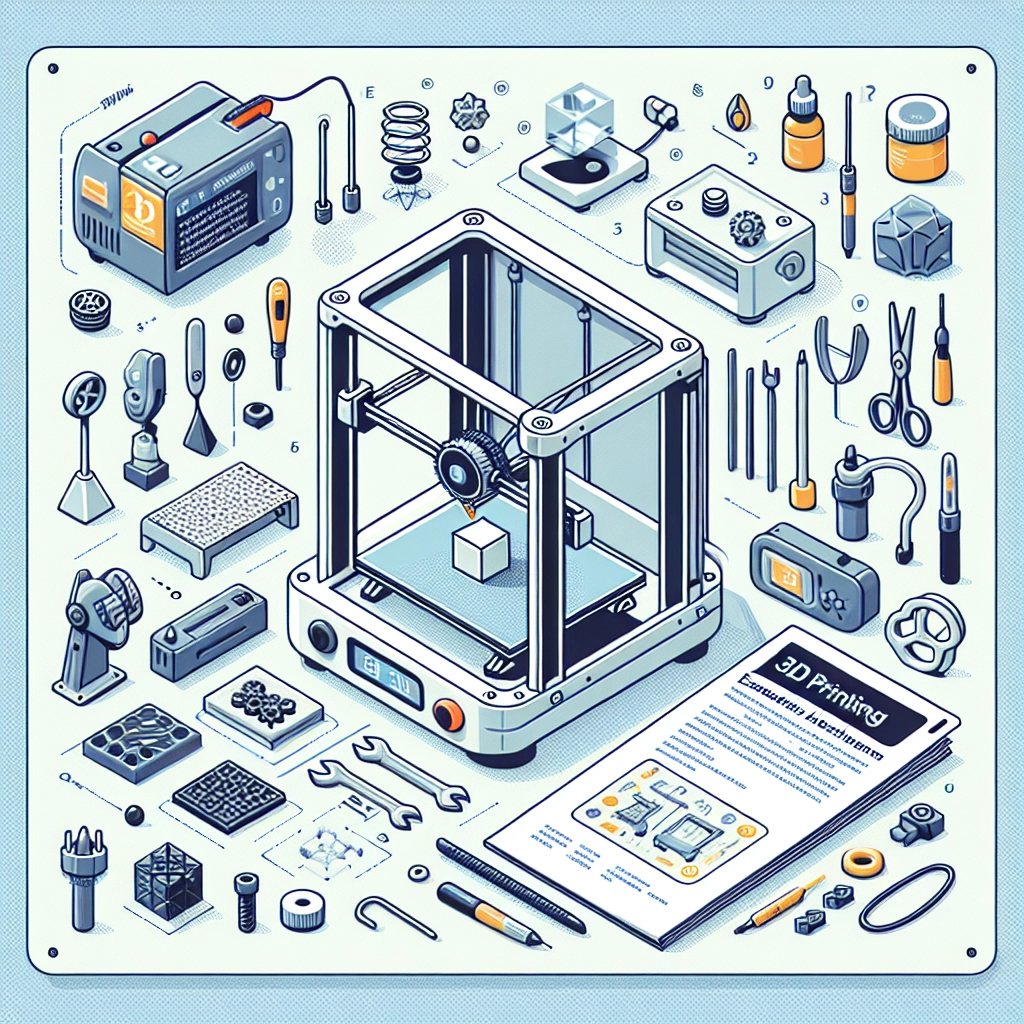
3D Printing for Beginners: Essential Tips and Tricks
So, you’ve decided to dive into the magical world of 3D printing! Whether you’re a hobbyist wanting to create unique sculptures or a DIY enthusiast ready to print your own prototypes, there’s a lot to learn. 3D printing can seem a bit daunting at first, but once you get the hang of it, you’ll be amazed at what you can create. Let’s break down some essential tips and tricks to get you off on the right foot.
Understand the Basics
Before you jump into printing, it’s crucial to understand what 3D printing actually is. Simply put, 3D printing is the process of creating three-dimensional objects from a digital file. You can use various techniques, but the most common one you’ll encounter as a beginner is Fused Deposition Modeling (FDM). This involves melting filament—usually plastic—and laying it down in layers to build your object.
Choose the Right Printer
When it comes to selecting your first printer, it’s easy to feel overwhelmed by the options. Focus on a few key features:
- Size: Consider the size of the objects you want to print. Most beginner printers have a decent build volume for small to medium projects.
- Ease of Use: Look for models known for their user-friendliness. You’ll want something that doesn’t require extensive technical skills right out of the box.
- Community Support: Choose a printer that has a large user base. This means you’ll find plenty of forums, tutorials, and troubleshooting tips readily available.
Some popular options for beginners include the Creality Ender 3 and Anycubic i3 Mega, both of which have solid reputations for reliability and community support.
Get Familiar with Slicing Software
Once you’ve got your printer, you’ll need slicing software to convert your 3D models into instructions that the printer can understand. Programs like Cura, PrusaSlicer, and Slic3r are widely used. Most slicers are intuitive, allowing you to adjust settings like layer height and printing speed with just a few clicks. Don’t be intimidated—taking the time to experiment with these settings can make a big difference in your print quality.
Select the Right Filament
Choosing the right filament can seem overwhelming with so many options, but here’s the scoop on a few common types:
- PLA (Polylactic Acid): This is one of the best materials for beginners. It’s easy to print with, has a low melting temperature, and produces good-looking prints.
- ABS (Acrylonitrile Butadiene Styrene): More challenging to print than PLA, ABS is sturdier and better for functional parts, but it requires a heated print bed and good ventilation due to fumes.
- PETG (Polyethylene Terephthalate Glycol): A blend between PLA and ABS, PETG is easy to work with and offers good durability.
Make sure to store your filaments properly to prevent moisture absorption, which can affect your print quality.
Start with Simple Designs
When you’re just starting out, pick simple models to print. Websites like Thingiverse and MyMiniFactory are treasure troves of free designs created by the community. Look for beginner-friendly prints that don’t have too many intricate details or require advanced techniques. This will allow you to focus on perfecting your setup and troubleshooting without feeling overwhelmed.
Calibration is Key
Proper calibration can make or break your 3D printing experience. Regularly calibrate your printer for first-layer adhesion—this is one of the most vital steps to ensure your prints stick to the bed and come out clean. Make sure your print bed is level and your nozzle height is set correctly. A miscalibrated printer can lead to poor prints, frustration, and wasted filament.
Keep Learning and Experimenting
The world of 3D printing is constantly evolving, with new techniques and materials emerging all the time. Join online communities, watch tutorials, and don’t hesitate to ask questions. You’ll find there’s a wealth of knowledge out there, and fellow 3D printing enthusiasts are usually more than happy to help.
Embrace the learning curve—don’t get discouraged by failed prints! Every artist, engineer, and hobbyist has faced challenges along the way. With practice, you’ll discover how to fine-tune your machine and create beautiful, functional pieces.
3D printing is not just a hobby; it’s a fantastic way to turn creativity into tangible objects. As you learn and grow, you’ll find your own style and projects that excite you. So roll up your sleeves, fire up that printer, and let the creativity flow! Happy printing!