


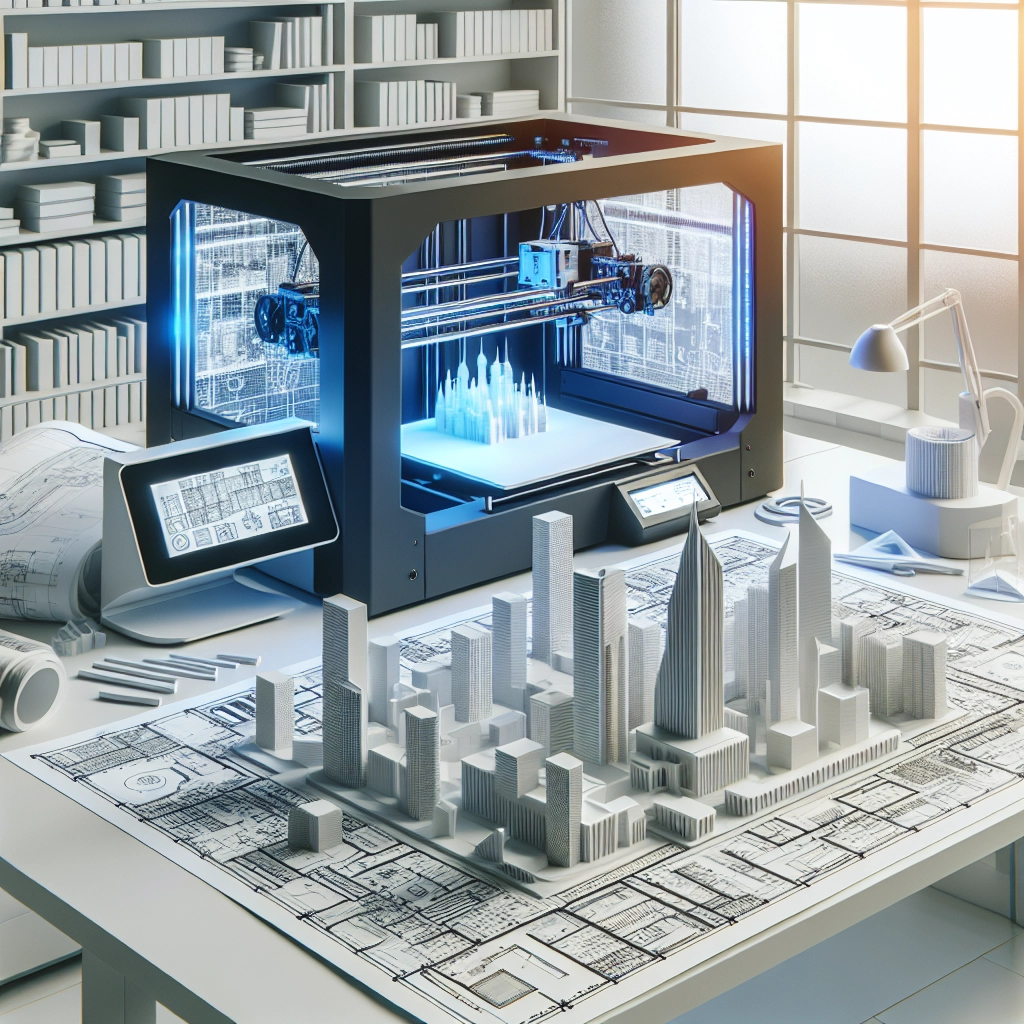
The Secrets to Printing Large Models Successfully
If you’re a 3D printing enthusiast, you know how both exhilarating and frustrating it can be to take on large models. Whether you’re creating intricate architectural designs, complex mechanical parts, or detailed fantasy figures, the thrill of seeing your vision come to life is unparalleled. However, printing large models comes with its own set of challenges. But fear not! With a few strategies and tips, you can increase your chances of success and create stunning large-scale prints.
Understanding the Basics
Before diving into the nitty-gritty, it’s essential to have a grip on the basics of 3D printing. Large models can range from a few inches to several feet tall, depending on what you’re crafting. The larger the model, the more attention you need to pay to details like adhesion, support structures, and layer alignment.
One of the first things you want to consider is the material you’ll be using. Filaments like PLA are more forgiving, while materials like ABS can warp if not managed well. Plastic flexibility, melting temperatures, and even the humidity of the environment are all vital factors that can affect a print.
Choosing the Right Printer
Choosing the right printer can make a massive difference in your 3D printing journey. Not all printers are built to handle large prints—some are designed for smaller, more intricate works. Look for a printer that offers a sufficient build volume and a reliable print head. You might even consider industrial-grade options if you’re deeply invested in 3D printing.
Additionally, opting for a printer that allows easy upgrades can be beneficial. You may want to upgrade the print bed or the cooling fan, particularly for larger prints that require precise temperature control.
Prepare Your Model
Next up is model preparation. This is a key step that can make or break your print. Ensure that your model is properly optimized for 3D printing. This means checking for issues like non-manifold edges, inverted normals, and other geometric problems. 3D modeling software can help you repair these issues before you even hit the print button.
Moreover, consider your slicing settings. Layer height, print speed, infill density, and support material are crucial components to tweak for a successful print. Often, slowing down the print speed is necessary for large models to help ensure accuracy and adhesion.
Perfecting Bed Adhesion
One of the most significant challenges when printing large models is bed adhesion. If your model doesn’t stick well to the bed, you’re in for a world of trouble. To combat this, you can use a variety of techniques:
-
Use a heated bed: This helps to maintain a consistent temperature and greatly reduces warping or lifting.
-
Experiment with different adhesives: Glue sticks, hairspray, and specialized bed adhesives can provide that little extra grip your prints need.
-
Level your bed: A consistent bed level is critical for a successful print. Ensure the nozzles are at the right distance from the bed, especially when printing large items.
Support Structures and Bracing
Depending on your model, support structures can be added to prevent sagging, particularly with intricate designs. You can choose from various support styles, including tree-like supports or traditional grid patterns. Some slicers even offer adaptive options that only add support where it’s needed.
Consider also the orientation of your model. When possible, position it in a way that minimizes the need for supports. This can save material and reduce post-processing time. In some cases, building the model in segments can make handling easier and improve overall print quality.
Monitor and Adjust
Don’t underestimate the value of monitoring your print as it progresses. Being proactive can save you a lot of time and material. If you notice any signs of failure early on—like warping or incomplete layers—don’t hesitate to pause and make adjustments. Sometimes a simple tweak like increasing print temperature or adjusting print speed can prevent a disastrous end.
Embracing Post-Processing
Finally, take the time for post-processing! Large models often require a bit of TLC after printing. Sanding, painting, or joining segments can turn a good print into a fantastic one. This is your chance to add personality and flair to your creation.
With a little patience, preparation, and creativity, you can unlock the full potential of 3D printing large models. Sure, it might take some trial and error, but that’s all part of the fun! After all, the thrill of seeing a massive print come together is a reward in itself. So get out there, unleash your creativity, and happy printing!