


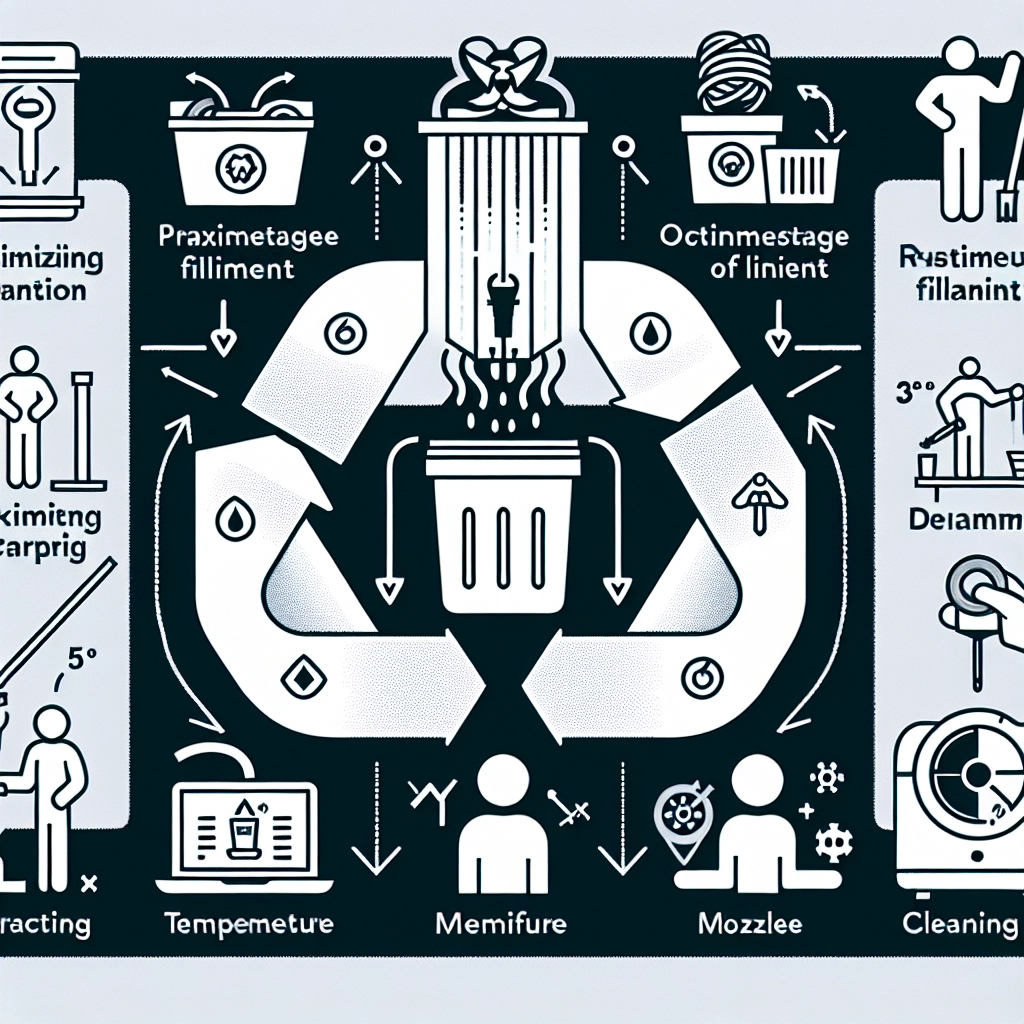
How to Maximize Filament Use: Reducing Waste in Your Prints
3D printing has revolutionized the way we create objects, from intricate prototypes to personalized gadgets. However, as exciting as it is to transform digital designs into tangible items, one of the biggest challenges in 3D printing lies in material usage. If you’ve ever finished a print, only to find a spool of filament with a few meters left over, you know exactly what I mean. Reducing waste not only saves you money but also contributes to greener practices. So, let’s explore some simple and effective ways to maximize your filament use!
Choose the Right Filament
The first step in reducing filament waste is picking the right material for your project. Not all filaments are created equal, and depending on your design requirements, you might find that one material works better than another. For instance, PLA is a popular choice for beginners due to its ease of use, but if your application requires tougher, more durable parts, consider using ABS or PETG. Understanding the pros and cons of each filament can help you avoid prints that won’t meet your needs, preventing you from scraping failed projects and wasting that precious plastic.
Optimize Your Models
Before hitting the print button, you should take a closer look at your digital model. Many designs can be enhanced to reduce the amount of filament needed. Here are a few techniques:
-
Use Thinner Walls: Adjust the wall thickness settings in your slicing software. Many prints don’t require super thick walls; a balance can save material without sacrificing structural integrity.
-
Hollow Your Models: If you’re working on something like a decorative item or a non-load-bearing component, consider making your model hollow. Adding an inner structure with less infill can save a considerable amount of filament.
-
Reduce Infill Percentage: For many objects, especially those that don’t need to be super strong, decreasing the infill percentage (like going from 100% solid to around 20-30%) can drastically cut down on material usage.
Smart Printing Settings
Your printer settings play a crucial role in filament conservation. Here are some adjustments you can make in your slicing software to optimize use:
-
Layer Height: Increasing your layer height can lead to faster prints and less filament used. However, it might affect the detail of your model, so finding a good balance is key.
-
Temperature Settings: Ensure your nozzle temperature is optimized for your specific filament. Printing too hot can lead to more stringing, while too low may create layer adhesion issues. Both scenarios can lead to waste of filament during print failures.
Utilize Rafts and Supports Wisely
While sometimes necessary, rafts and supports can eat up a lot of filament. When designing your model, see if you can manipulate the design to minimize the need for these features. Adding small cutouts or changing the orientation can help avoid the need for additional support structures. If you do need supports, explore “tree supports” or other adaptive settings that are less wasteful compared to traditional support styles.
Keep Your Filament in Top Shape
Filament can degrade over time or sometimes absorb moisture from the air, which can lead to poor quality prints. Store your filament in airtight containers with desiccants to keep it dry and free from damage. This not only ensures successful prints but also minimizes the risk of wasting filament due to printing errors caused by faulty material.
Monitor Your Filament Usage
Many slicers can give you a readout of how much filament your print will use before starting. This can help you gauge whether you have enough left on the spool. This spiel can also help you track waste over time, allowing you to adjust and improve your practices in future projects. Keeping an eye on this can add up over time, leading to substantial savings.
Continuous Learning and Networking
Finally, don’t hesitate to reach out to the 3D printing community. Forums, social media groups, and local makerspaces can be invaluable resources for discovering new tricks to reduce filament waste. Sharing experiences, tips, and tricks with others can lead to innovative solutions you might not have considered.
In the rapidly evolving world of 3D printing, reducing filament waste isn’t just a matter of efficiency—it’s about being responsible stewards of our resources. By implementing these strategies, you’re not only maximizing your filament use but also contributing to a sustainable future for this amazing technology. So, let’s print smarter, not harder!