


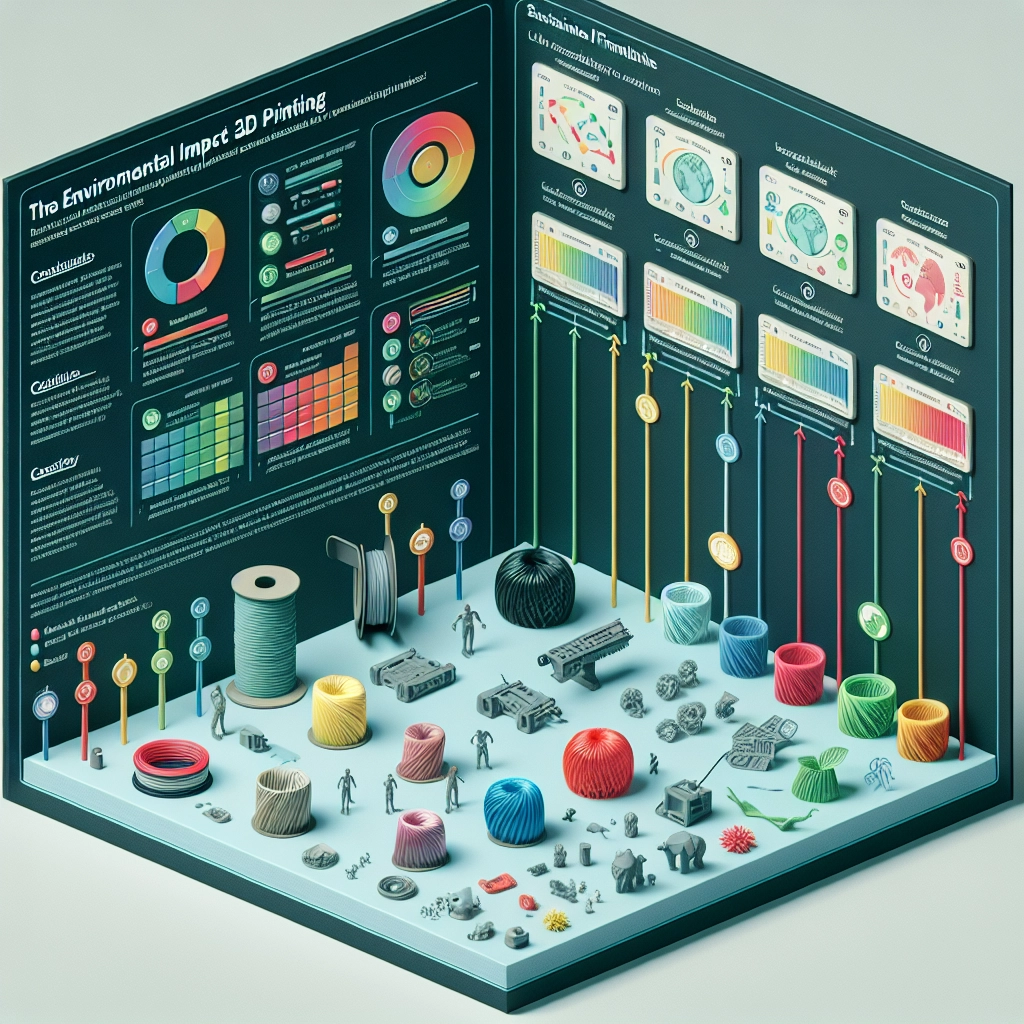
The Environmental Impact of 3D Printing: Choosing Sustainable Filaments
3D printing has revolutionized the way we think about manufacturing, prototyping, and even art. It’s opened up an abundance of creative possibilities and allows for personalized production on a scale that was previously unthinkable. However, as with any great innovation, it comes with its own set of environmental challenges. Understanding how to mitigate these impacts—especially when it comes to choosing sustainable filaments—can make a world of difference.
The Greener Side of 3D Printing
Before diving into the nitty-gritty of sustainable materials, let’s take a moment to appreciate the positive environmental impact of 3D printing compared to traditional manufacturing processes. Unlike mass production practices that generate substantial waste, 3D printing is an additive process. This means items are built layer by layer, using only the material necessary for the final product. This can significantly reduce waste compared to subtractive methods, which carve out products from blocks of material.
Moreover, the ability to produce items locally can reduce carbon footprints associated with transportation. When you can make what you need, where you need it, it lessens the need for extensive shipping, which often relies on fossil fuels. Still, it’s important to remember that the choice of filament plays a huge role in making 3D printing truly eco-friendly.
Understanding Filament Types
There are a myriad of filaments available in the market, each with different properties, benefits, and environmental impacts. Some of the most common filaments include:
-
PLA (Polylactic Acid): Derived from renewable resources like cornstarch or sugarcane, PLA is often the go-to filament for beginners. It’s biodegradable, which is a major plus, but it requires specific conditions to decompose properly, which may not be available in standard landfill environments.
-
ABS (Acrylonitrile Butadiene Styrene): This is a tougher plastic used for its strength and heat resistance. While it performs beautifully, it’s a petroleum-based product and isn’t biodegradable. The printing process can also release harmful fumes.
-
PETG (Polyethylene Terephthalate Glycol-modified): Known for its durability and recyclability, PETG is a step toward sustainability if handled correctly. It’s also easier to print than ABS, and does not emit harmful fumes.
-
TPU (Thermoplastic Polyurethane): This flexible filament is great for various applications but can be derived from non-renewable resources.
-
Biodegradable and Recycled Filaments: There are innovative filaments made from recycled plastics or materials that are more environmentally friendly, such as those derived from organic materials or commercial waste. These are becoming increasingly available and can help reduce plastic waste.
Making Sustainable Choices
So, how do you choose the right filament that can lessen your environmental impact? Here are some practical tips to consider:
-
Research and Choose Wisely: Don’t just go for the cheapest or most readily available filament. Look into the source of the material. Options like PLA and PETG made from recycled components can be particularly worthwhile.
-
Mind Your Disposal: If you’re using PLA, for instance, find local composting facilities that accept biodegradable plastics. Many communities now offer recycling options for PETG and other types of plastic as well.
-
Save and Reuse: If a print doesn’t turn out right, don’t just chuck it! Try repurposing failed prints or even grinding them down to create new filament with a filament recycler.
-
Experiment with Less Wasteful Designs: When designing something to print, consider creating structures that minimize the amount of material needed. You can use slicing software to optimize settings, reducing supports, and creating more efficient designs.
-
Stay Informed: The world of 3D printing is always evolving. New sustainable materials are constantly being developed, so keep an eye out for innovative solutions that can further lessen your environmental impact.
3D printing has the potential to be a real game-changer in our approach to manufacturing, provided we choose thoughtfully. As we move toward a more sustainable future, our individual choices in filament selection can collectively lead to a significant positive impact on our environment. We have the power to harness the creativity of 3D printing while holding our responsibility to our planet close. Embracing eco-friendly practices isn’t just good for our conscience; it’s a vital step toward ensuring that the innovations we cherish today benefit generations to come. Let’s print the future responsibly!