


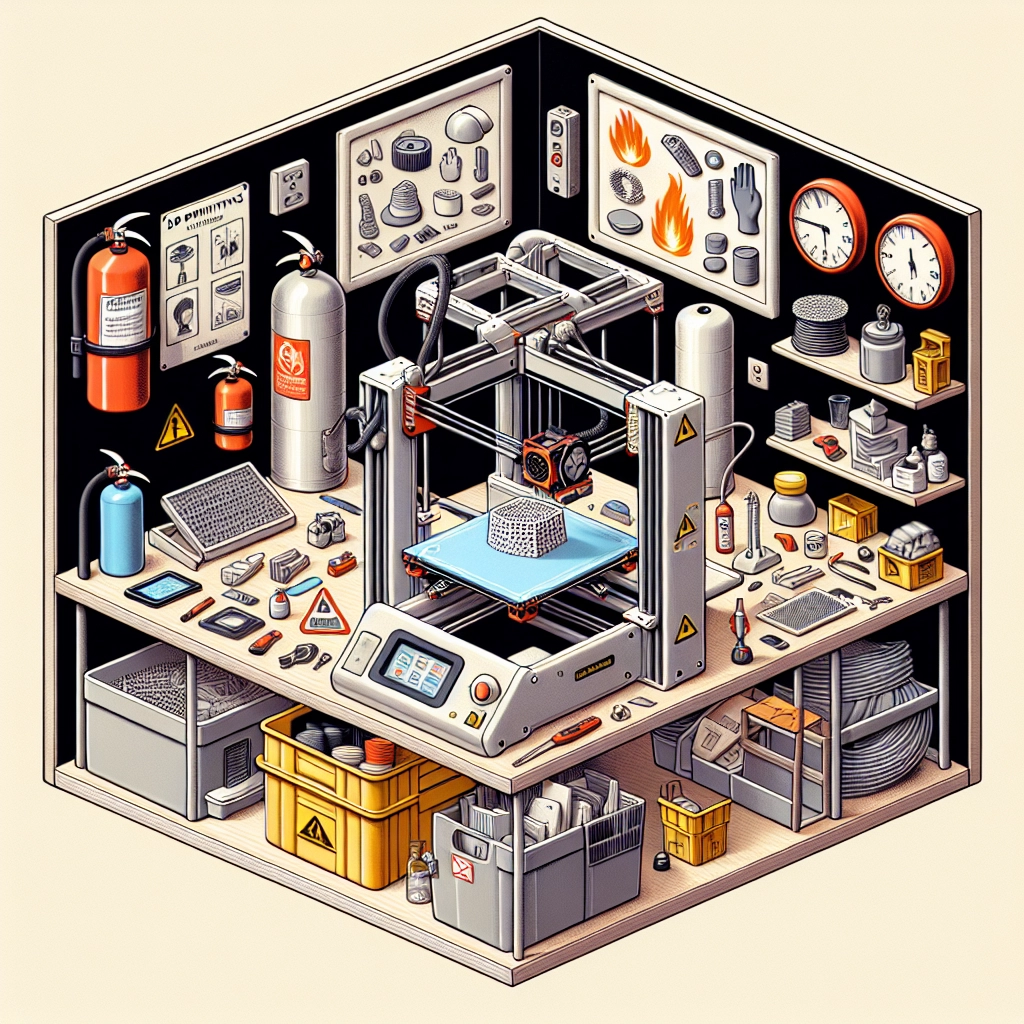
3D Printing Safety: Best Practices Every Hobbyist Should Know
3D printing has revolutionized the way we create and prototype, opening a world of possibilities for hobbyists and professionals alike. However, while it’s an exciting adventure filled with innovation, safety should always come first. Let’s dive into some best practices to keep your 3D printing experience enjoyable and safe.
Ventilation Matters
One of the first things to consider when setting up your 3D printer is ventilation. As the printer heats up and starts melting filament—most commonly PLA, ABS, or PETG—it releases fumes that, while often not harmful in well-ventilated spaces, can be irritating in confined areas.
If you’re working in a small room, opening windows can help. Ideally, setting up your printer in a well-ventilated workshop or garage is a great option, giving those fumes a chance to dissipate. If you’re serious about your 3D printing hobby, consider investing in a fume extractor or carbon filter to ensure that the air you breathe is clean.
The Art of Filament Handling
Speaking of filaments, you should also be mindful of how you handle them. Some materials can be more hazardous than others. ABS, for instance, can emit potentially harmful particles and gases when printed. Always check the safety data sheets (SDS) for the filaments you plan to use, and follow any guidance regarding use and handling.
Using gloves while handling filament can be a wise choice to avoid any contamination or irritation. Ensure that your hands are clean and dry before touching the material to maintain its print quality.
Be Aware of Heat
3D printers need to reach high temperatures to melt filament, which poses a burn risk. Be cautious around the print head and heated bed, especially during and shortly after a print job. It might be tempting to adjust or touch the printer right after the job is done, but remember these components remain hot even after the printer has turned off.
To prevent accidents, consider using temperature-resistant gloves when you’re working close to these parts. Additionally, keep the printer out of reach of small children or pets while it’s operational—better safe than sorry!
Regular Maintenance Checks
Regular maintenance is not just about keeping your printer running smoothly; it’s also a key safety measure. Ensure that all belts, screws, and electrical connections are tight and in good condition. Any loose parts can lead to unexpected malfunctions, which can be dangerous during high-temperature operations.
Keep a watchful eye on your printer’s wiring. Frayed or exposed wires can create electrical hazards. Always unplug the printer when performing any maintenance or repairs to avoid accidents.
Fire Safety Protocols
One of the most serious safety concerns with 3D printing is the potential fire hazard. Plastic filaments can ignite if the printer malfunctions or if it overheats. Always have a fire extinguisher rated for electrical and flammable materials nearby, just in case something goes awry.
While it’s tempting to leave your printer running while you do other things, it’s wise to keep an eye on it, especially during long prints. Consider using a webcam to monitor your printer remotely, giving you peace of mind and the ability to respond quickly if there’s an issue.
Stay Informed and Educated
As technologies in 3D printing are always evolving, staying informed about new materials and safety recommendations is critical. Join online forums, attend workshops, and follow manufacturers’ updates to keep your knowledge fresh.
Also, don’t hesitate to share your findings with the 3D printing community. Educating others about safe practices can create a ripple effect, inspiring more hobbyists to prioritize safety in their own setups.
Enjoy Your Printing Experience
At the end of the day, the goal of 3D printing as a hobby is to create, innovate, and have fun. By applying these safety practices, you can not only protect yourself and your workspace but also enhance your overall experience.
Remember, being safety-conscious doesn’t take away from the excitement of 3D printing; it adds to it. The joy of creating something from scratch is immeasurable, especially when you know you’ve taken the necessary steps to ensure your safety and the safety of those around you. So, get out there, print responsibly, and enjoy the wonders that 3D printing has to offer!