


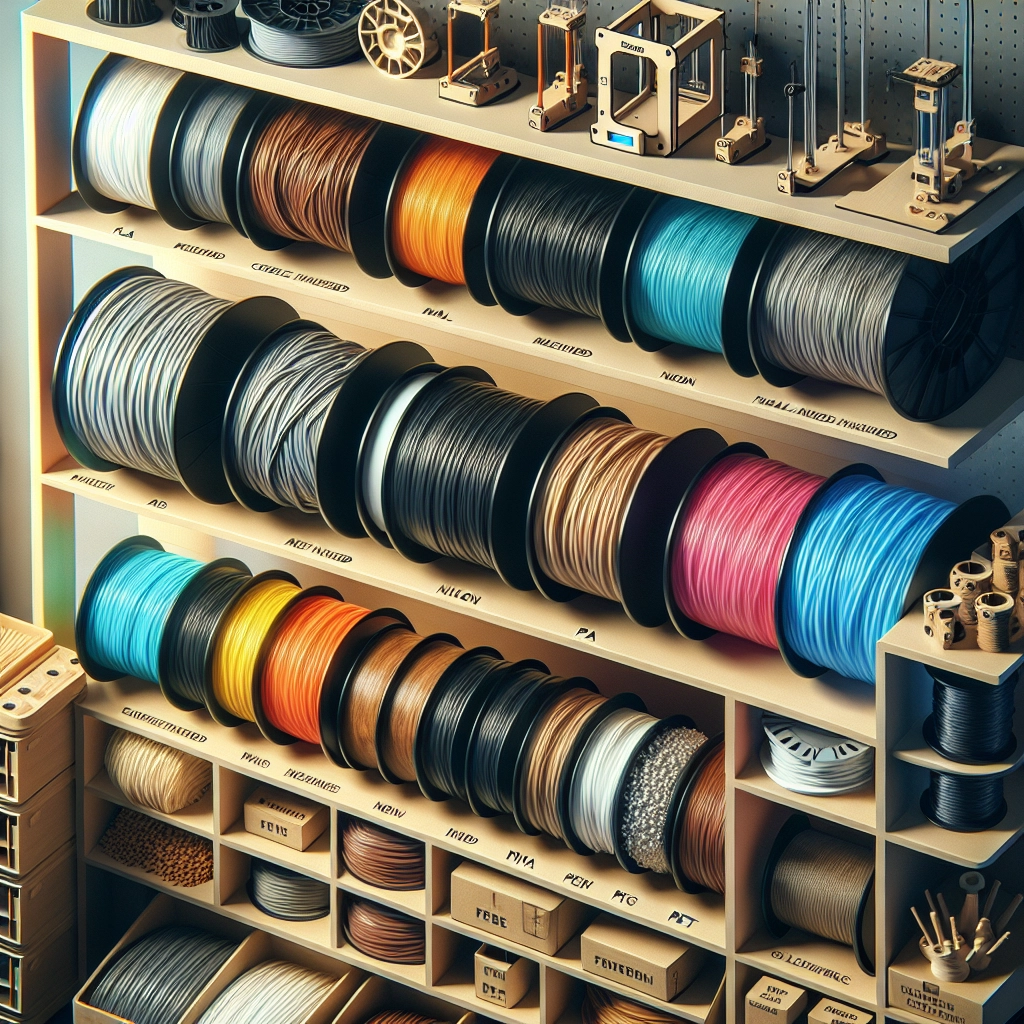
An Overview of Specialty 3D Filaments: Beyond PLA and ABS
3D printing has come a long way, and you might be surprised to learn just how diverse the world of filaments has become. While PLA (Polylactic Acid) and ABS (Acrylonitrile Butadiene Styrene) are often the first materials that come to mind for any avid maker or hobbyist, the reality is that there’s a whole universe of specialty filaments out there just waiting to be explored. Each type offers unique properties that cater to specific needs, from stunning aesthetics to enhanced durability. So, let’s dive into some of the more interesting specialty 3D filaments you might not have heard of yet.
PETG: The All-Rounder
PETG, or Polyethylene Terephthalate Glycol-modified, is becoming increasingly popular in the 3D printing community. Why? Simply put, it offers the best of both worlds. It’s incredibly durable and can withstand higher temperatures than PLA with less risk of warping like ABS. Plus, PETG is less toxic compared to ABS, making it a more user-friendly option for home printers. Another big perk? It has a beautiful glossy finish, making your prints shine! If you’re looking for a versatile filament that combines strength and ease of printing, PETG is definitely worth considering.
TPU: The Flexible Friend
If you’re in need of flexibility in your prints, Thermoplastic Polyurethane (TPU) is your go-to filament. Known for its rubber-like properties, TPU is perfect for creating objects that need to bend, stretch, or compress. Think phone cases, toys, or even medical devices. TPU can be a bit trickier to work with due to its flexible nature, but with the right printer settings, you’ll find it can produce incredible, detailed designs that maintain their integrity over time.
Nylon: The Tough Guy
When it comes to toughness, Nylon is second to none. It’s known for its incredible strength and resistance to wear and tear, making it an excellent choice for functional parts that need to endure regular use. From mechanical components to household items, Nylon has you covered. However, it does come with challenges, namely its tendency to absorb moisture. Make sure to store it properly and keep it dry for optimal results. If you’re into heavy-duty printing, Nylon might just become your new best friend.
Wood Filament: Nature at Your Fingertips
For those who appreciate the aesthetics of wood, wood filament can bring a unique, organic feel to your prints. Made from a blend of PLA and actual wood particles, these filaments can create stunning prints that mimic the texture and appearance of wood. Not only does it look great, but it can also be sanded or stained after printing for even more customization options. If you’re looking to add a touch of elegance to your projects, wood filament is a delightful choice.
Metal Fill: A Touch of Class
Have you ever wanted to create something that resembles metal but still maintain the ease of 3D printing? Enter metal fill filaments! These filaments are composites made with a polymer base mixed with metal particles. They can give your prints a unique metallic finish and increased weight, making them perfect for sculptures, jewelry, or decorative objects. Just keep in mind that they might require a nozzle upgrade since the metal particles can be abrasive. However, the stunning results are worth the effort!
Carbon Fiber: Lightweight & Strong
If your project demands both strength and lightness, carbon fiber-reinforced filaments are the way to go. These composite materials often blend nylon or PLA with strands of carbon fiber, enhancing durability without adding unnecessary weight. Perfect for drone parts or automotive components, they provide excellent rigidity and stiffness. Just remember that such filaments can be more challenging to print due to their abrasive nature, but with the right setup, you’ll achieve impressive results.
Conclusion
The world of specialty 3D filaments is vast, varied, and filled with potential for creativity. While PLA and ABS have their own merits, exploring these alternative materials can greatly expand your printing capabilities and enhance the aesthetic and functional qualities of your projects. Whether you need flexibility, strength, a luxurious look, or a lightweight build, there’s a filament out there that can help bring your ideas to life. So, the next time you’re planning a print, consider stepping out of your comfort zone and experimenting with a new material. You might just be surprised at what you can create!