


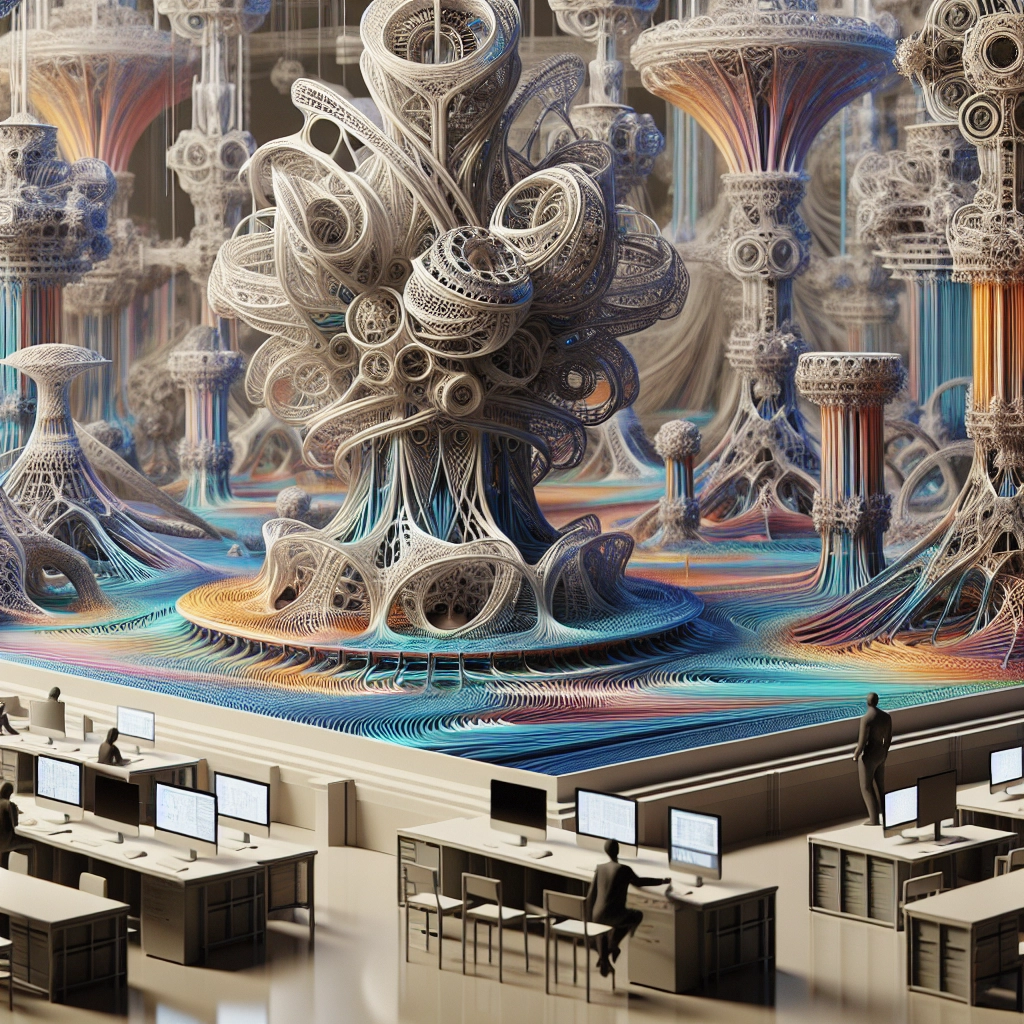
Exploring the World of Flexible 3D Filaments and Their Uses
The world of 3D printing has changed rapidly over the years, opening up a universe of possibilities for creators, inventors, and hobbyists alike. Among the many innovations in the field, flexible 3D filaments have emerged as game-changers, allowing designers to bring a whole new level of dynamism to their prints. But what exactly are flexible filaments, and how can they be used to breathe life into your projects? Let’s dive in!
What Are Flexible 3D Filaments?
Flexible 3D filaments are materials that can bend, stretch, and compress without breaking. They are often described using two main types: Thermoplastic Polyurethane (TPU) and Thermoplastic Elastomers (TPE). Unlike traditional rigid filaments like PLA or ABS, these materials are designed to flex, making them perfect for a range of applications.
What makes flexible filaments particularly interesting is their ability to mimic rubbery textures and properties while still being easy to print—all thanks to advancements in filament technology. They come in various hardnesses and can be printed using most standard FDM printers, offering a flexible design experience for both seasoned pros and newcomers.
Why Use Flexible Filaments?
There’s an undeniable charm to flexible 3D prints. They can help you create items that are both functional and fun. Here are just a few compelling reasons to incorporate flexible filaments into your printing projects:
1. Durability and Resilience
One of the standout features of flexible filaments is their impressive durability. Items printed with TPU or TPE can withstand wear and tear in ways that rigid materials simply can’t. This makes them ideal for applications where flexibility and shock-absorption are necessary, such as phone cases, wearables, and even protective gear.
2. Creative Freedom
Flexible filaments expand the horizons of what’s possible in 3D design. Want to create something that bends around corners, conforms to various shapes, or even doubles as a cushion? With flexible filaments, your imagination is the limit! Designers can craft intricate geometric shapes or whimsical creations that can jiggle, wiggle, and twist in all directions.
3. Comfort and Functionality
If you’ve ever worn a poorly-fitting shoe or used a gadget with discomfort, you’ll appreciate how flexible filaments can solve such problems. The comfort factor is enormous when creating items that must fit well—like custom insoles, ergonomic grips, or even medical devices. The ability to produce soft, yielding components can dramatically improve user experience.
Popular Applications for Flexible Filaments
So, what can you actually create with flexible 3D filaments? Here are some popular applications to pique your interest:
1. Prototyping Products
Flexible filaments are particularly beneficial for rapid prototyping. If you’re an inventor looking to test the feel and functionality of your new product, these filaments allow you to make several iterations quickly, adjusting for comfort and ergonomics in ways rigid materials might not enable.
2. Fashion and Accessories
The fashion world has begun to embrace 3D printing, and flexible filaments are a key player. Designers can create everything from jewelry to shoes that have comfortable fits and unique textures. The elastic nature of these materials allows for unexpected collaborations between traditional crafting and modern technology.
3. Gaming and Cosplay Props
For gamers and cosplayers, flexible filaments enable the creation of props and costumes that are not only lightweight but also withstand movement and action. You can produce armor plates, helmets, or even fun action figures that retain their shape while allowing for some movement.
4. Home Decor and Utility Items
Need a plant pot that won’t tip over? Or how about a flexible lamp that can bend into various shapes? Home decor enthusiasts can create unique items that are not just aesthetically pleasing but also functional. Think of custom chair cushions that mold to your body or organizers that can flex to fit different drawer sizes.
Final Thoughts
The versatility of flexible 3D filaments offers endless opportunities for creativity and innovation. Whether you’re a hobbyist looking to express your artistic flair, a designer enhancing functionality in your product line, or someone just looking for practical home solutions, these materials open up a world filled with potential.
As you explore your 3D printing journey, consider stepping outside the traditional rigid boundaries and experiment with flexible filaments. You’ll be amazed at what you can create—both for fun and for function. Embrace the flexibility, and let your imagination run wild!