


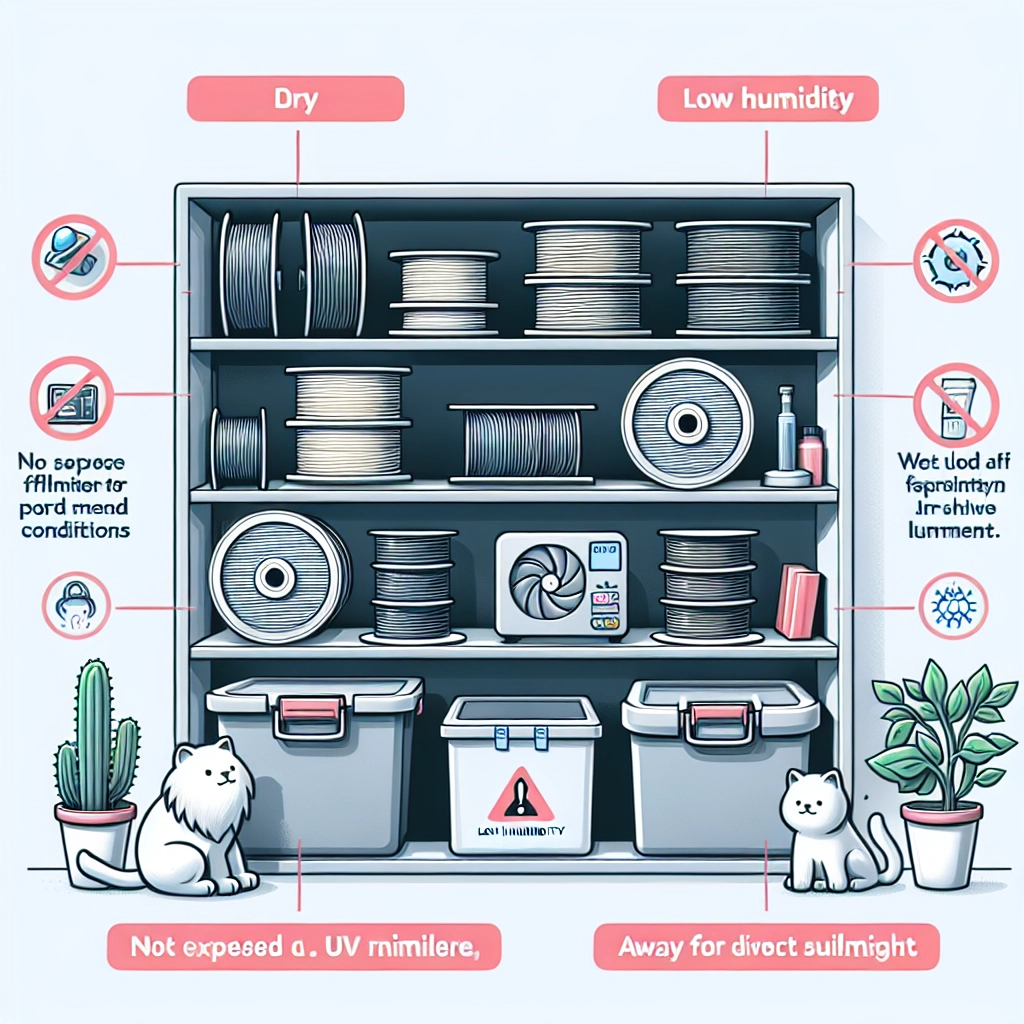
How to Store 3D Filaments Properly for Long-lasting Use
3D printing enthusiasts know that the quality of your prints largely depends on the materials you use. And while many focus on selecting the right filament for their projects, just as much care should go into storing these filaments. Proper storage can help extend the lifespan of your materials, ensuring that every filament coil remains ready for that creative burst or last-minute printing project. So let’s dive in and explore the best ways to store your 3D filaments to keep them in top shape!
Why Proper Storage Matters
Before we talk about the how-tos, let’s consider the why. Filaments, especially those made from materials like PLA, ABS, or nylon, are sensitive to environmental conditions. Moisture, heat, and direct sunlight can degrade their quality, leading to issues in printing such as poor adhesion, warping, or even clogs in your printer’s nozzle. Storing your filaments correctly can preserve their mechanical properties and avoid those frustrating printing mishaps.
Keep it Dry
Moisture is the enemy of 3D filaments. Many filaments, especially hygroscopic ones like Nylon and PVA, can absorb moisture from the air. This can lead to bubbling or steam generation during printing, which ruins the finish of your prints.
Silica Gel Packs are Your Friends
Using silica gel packs is an effective way to keep moisture at bay. These tiny packets can absorb humidity and maintain a drier environment for your filaments. Consider placing them in your storage containers or even inside the filament bags if you’re using them. Just remember to replace them periodically to maximize their effectiveness.
Vacuum Sealing
For long-term storage, you might want to consider vacuum sealing your filaments. This method removes air (and the moisture it carries) from the packaging, creating a barrier for your materials. You can buy vacuum sealer machines that can be particularly handy if you’re serious about preserving your filaments over a long period.
Keep it Cool and Dark
Along with moisture, temperature and light can impact the quality of your filaments. Storing them in a cool, dark place is essential. Extreme heat can lead to melting or warping, while direct sunlight can degrade the filament’s properties over time.
Ideal Temperature
Aim for a storage temperature around room temperature (about 20-25°C or 68-77°F). Avoid areas close to ovens, heaters, or windows where direct sunlight can beat down and cause fluctuations in temperature.
Storage Containers
Invest in airtight storage bins that can block out any unnecessary light while providing a stable environment. These can be clear containers, as long as they are not exposed to direct sunlight. Labeling your containers with the type of filament inside can make it easier to find exactly what you need when you’re in the zone for a project.
Organizing Your Filaments
Another key element to consider is organization. A cluttered mess can lead to accidental damage to your filaments, and tangled spools are a headache waiting to happen. By creating a structured way to store your materials, you can ensure that they stay in great condition and that you have everything at your fingertips when inspiration strikes.
Dedicated Storage Shelves
If you’ve got the space, dedicating a shelf or a section of a closet to your filaments can do wonders. You might also consider using filament holder racks that keep spools upright and prevent them from falling over.
Use Labels
Labeling not only helps with identification but also with tracking expiration dates if applicable. You might find that some filaments have a shelf life mentioned by the manufacturer; marking this date can prevent you from using older materials that might not perform as well.
Keep the Spool on
When not in use, keep the filament spooled. Unspooling it might seem like a way to save space, but this can lead to kinks and bends in the filament that can affect its quality. When stored on the spool, the filament retains its shape and minimizes exposure to moisture, dust, or other contaminants.
Properly storing your 3D filaments can make a huge difference in both the durability of the material and the quality of your prints down the line. By taking simple steps to control moisture, heat, and light, as well as maintaining a tidy and organized workspace, you’ll be well on your way to ensuring that those vibrant colors and robust materials are primed and ready for your next creative project. Happy printing!