


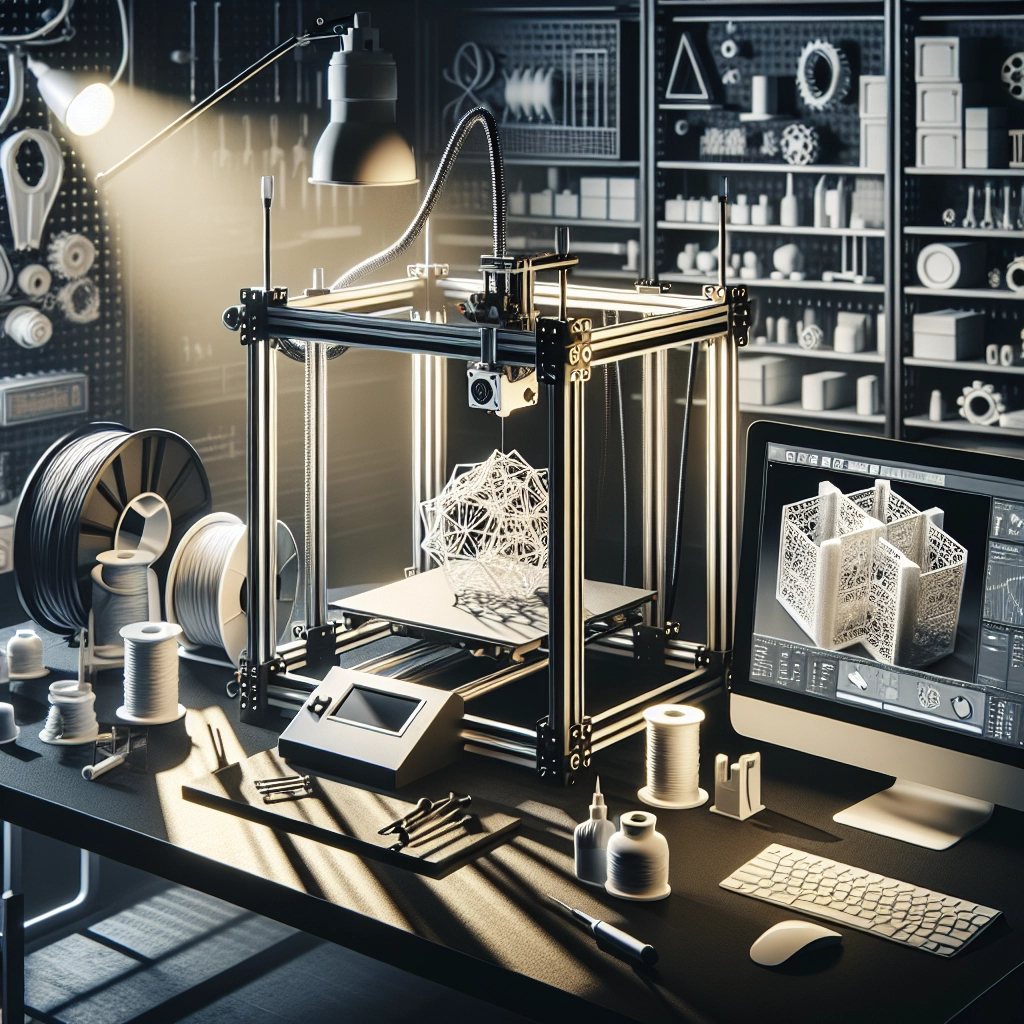
Advanced Techniques for Mastering Your 3D Printer
If you’ve dipped your toes into the world of 3D printing, you know there’s a thrilling sense of accomplishment that comes with creating something from scratch. But what happens when you’re ready to take your skills to the next level? Whether you’re looking to enhance your print quality, reduce print times, or tackle more complex projects, mastering advanced techniques can make a world of difference. Let’s dive into some strategies that can elevate your 3D printing game and unleash your creativity!
1. Fine-Tuning Your Settings
The beauty of 3D printing lies in its customization; everything can be tweaked to fit your needs. If you’re still using the default settings in your slicer software, you’re missing out! Each filament type, from PLA to ABS to PETG, has its unique characteristics and requires specific temperature settings, speeds, and layer heights.
Start experimenting with different settings on small test prints. A good practice is to create a temperature tower—this is a simple model that allows you to test various temperatures for optimal extrusion. By observing how your models behave at different temperatures, you can find the sweet spot that delivers the best quality.
2. Experiment with Different Filaments
Once you’re comfortable with the basics, it’s time to play with different filaments! While PLA might be great for beginners, exploring materials like nylon, flexible filaments, or even composite filaments infused with wood or metal can open up a range of new possibilities. Each material brings its quirks and advantages, but it’s important to familiarize yourself with their requirements, including print speeds and beds.
Additionally, consider using specialty filaments for specific projects—glow in the dark PLA, carbon-fiber-infused materials, or even high-temp definitions. The right material can significantly enhance the functionality and aesthetic appeal of your prints.
3. Learn to Calibrate Like a Pro
Calibration isn’t just a one-time activity; it’s an ongoing journey. A well-calibrated printer leads to stunning results, while a poorly calibrated one creates frustration. Start with essential calibration steps like bed leveling and extruder calibration. A simple test print like a 20mm calibration cube can reveal a lot about your settings.
Want to dive deeper? Try utilizing advanced calibration techniques, such as the Z-offset adjustment and PID tuning for temperature control. These fine adjustments can help improve print quality and reliability. Keeping a calibration log can also help you track the performance of your printer over time.
4. Embrace Supports and Rafts
Supports are often seen as a nuisance, but they’re essential for printing complex models with overhangs. Instead of relying on automatic supports, learn to manually place supports where they’re needed and optimize their density. This not only saves on support material but also makes clean-up easier.
Similarly, understanding rafts can benefit prints that struggle with warping or adhesion issues. A well-designed raft can prevent your model from lifting off the bed, allowing for a smoother overall printing experience.
5. Post-Processing Magic
Don’t underestimate the power of post-processing! After your prints are finished, a little TLC can go a long way in bringing your piece to life. Techniques ranging from sanding and painting to acetone smoothing (for ABS prints) can enhance the finish of your models dramatically.
Consider experimenting with heat guns to shape or alter prints made from thermoplastics. This technique can help you correct minor flaws or create a tailored fit for parts that must interconnect. Adding a personal touch through post-processing can make your projects even more satisfying.
6. Dive into Design
If you’re already comfortable with printing, why not learn some 3D design software? Programs like Blender, Tinkercad, or Fusion 360 are powerful tools that can help you create stunning models tailored to your specifications. Designing your own parts not only enhances skills but also allows for customization that off-the-shelf models can’t match.
Getting a handle on design will also allow you to solve problems creatively (perhaps by designing a unique support structure) or make modifications to existing models for a perfect fit.
7. Join the Community
Lastly, remember that 3D printing is not a solitary endeavor. Joining online communities, forums, or local maker spaces can provide invaluable insight and support. Share ideas, ask questions, and learn from others’ experiences. The wealth of knowledge and creativity in these groups can inspire your next project and help you overcome hurdles.
Mastering your 3D printer is about exploration, practice, and a little bit of daring. Each layer created is a testament to your growth as a maker, opening doors to new possibilities and innovative creations. So, roll up your sleeves, get your filament ready, and embrace the adventure that is 3D printing. Your best creations are yet to come!