


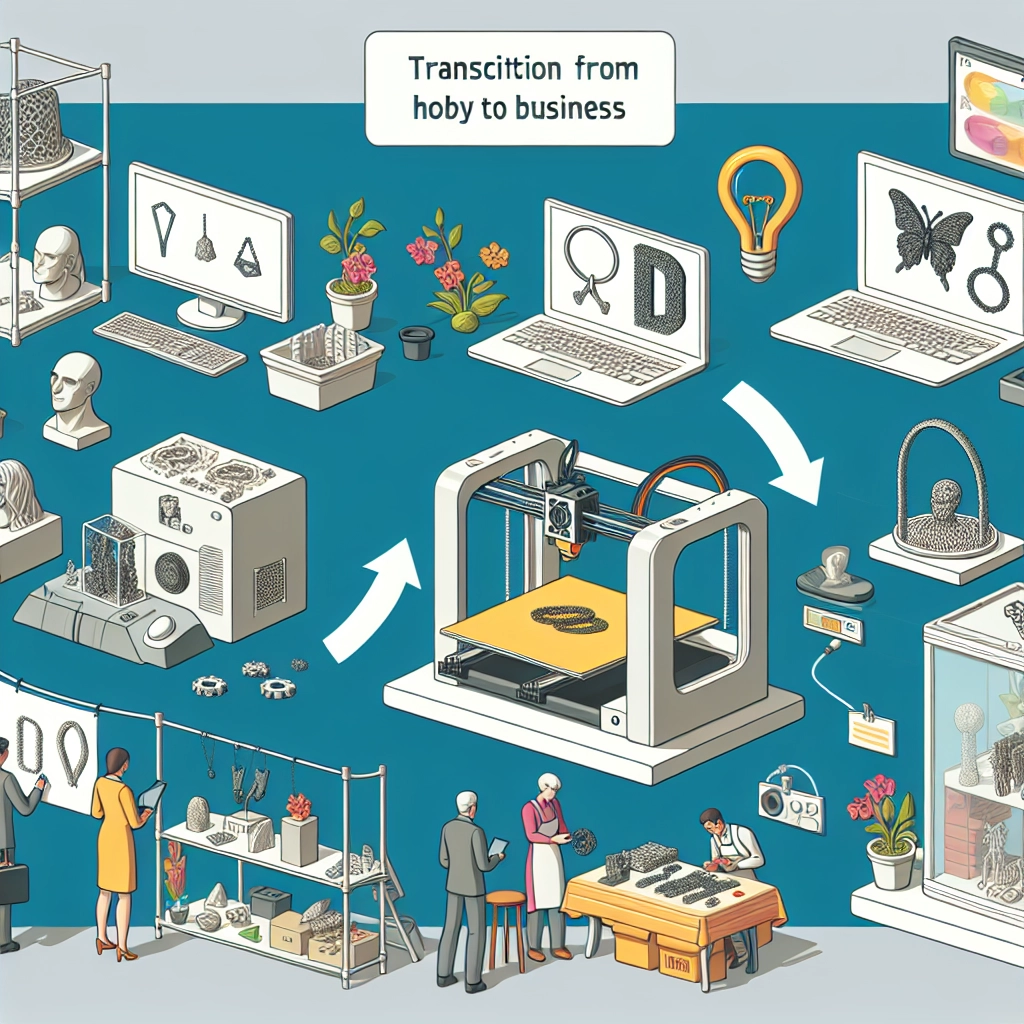
From Hobby to Business: Monetizing Your 3D Printing Skills
In the world of DIY enthusiasts, few hobbies capture the imagination quite like 3D printing. The ability to create tangible objects from digital files is nothing short of magical. What starts as a weekend project can quickly blossom into something much larger. For many, the dream of turning a beloved hobby into a thriving business isn’t just a fantasy; it’s a reality that’s becoming more accessible than ever. If you’ve dipped your toes into the realm of 3D printing and found the artistry intriguing, you may have the perfect foundation to build a profitable venture.
Identify Your Niche
The first step in monetizing your 3D printing skills is to identify a niche that excites you. The beauty of 3D printing is its versatility. Whether you’re interested in crafting custom jewelry, home décor, educational models, or even replacement parts for gadgets, the options are plentiful. Think about what you enjoy creating and what potential customers might find valuable.
Do some research! Browse online marketplaces like Etsy or even dedicated 3D printing forums. What are people buying? What do they wish existed? By discovering gaps in the market or under-served needs, you can tailor your creations to a specific audience. Your passion can lead to something someone else is eager to buy!
Build a Portfolio
Before you launch yourself into the world of selling, it’s crucial to have a strong portfolio. Showcase your best work by taking high-quality photos from multiple angles. Being able to visually communicate what you can create is key to attracting buyers. If you’re a bit shy about sharing your work, consider participating in local craft fairs or even online community groups to gain visibility and gather feedback.
Platforms like Instagram and Pinterest thrive on visuals, making them great places to showcase your prints. A well-curated feed could act as the storefront you never knew you needed. Social media can also help you connect with other creators and potential customers, further increasing your reach.
Set Up Your Online Presence
Once you’ve honed your niche and put together a solid portfolio, it’s time to set up an online presence. You might consider platforms like Etsy for handmade goods or even eBay if you’re looking to sell one-off items. For those with a more entrepreneurial flair, building a personal website can be an excellent way to showcase your brand and expand your offerings.
Your site doesn’t have to be overly complicated. Focus on creating an easy-to-navigate layout that highlights your products, provides information about your process, and includes an engaging "About" section. It’s your chance to share your story and what makes your work special!
Understand Pricing and Production
Pricing can be a bit tricky, especially for a new seller. You’ll want to factor in the cost of materials, the time you spend designing and printing, and any overhead costs (like shipping and platform fees). Research similar items in your chosen niche to see how they’re priced. Your goal is to cover costs while remaining competitive.
Don’t overlook the production aspect, either. As a hobbyist, you may have operated on a small scale, but running a business means you might need to increase production. Consider how you’ll manage larger orders, including ensuring quality and timely fulfillment. Investing in your equipment or honing your skills can set you apart from the competition.
Build a Brand
Once you’ve got the basics in place, it’s time to think about branding. A catchy name, memorable logo, and cohesive color scheme can make your venture stand out. Branding is not just about aesthetics; it’s about the entire experience your customers have with your products and your story. Create an identity that resonates with your audience, and don’t forget to keep it consistent across all platforms.
Networking and Getting Feedback
As with many businesses, networking can be pivotal. Joining local maker groups, attending trade shows, or participating in online 3D printing communities can open doors you may not have known existed. Not only can you meet potential customers, but you’ll also connect with fellow makers who can share valuable insights and experiences.
Feedback is crucial for growth. Don’t shy away from constructive criticism—it can be your best friend in refining your products. Encourage reviews on your sales platforms and take note of repeat customers. Their preferences can guide your future creations.
Embrace the Journey
Turning your 3D printing hobby into a business is a journey, not a sprint. There will be challenges and triumphs, but every step will teach you something new. Keep your passion at the forefront, stay adaptable, and don’t hesitate to pivot when needed.
Remember, building a successful business doesn’t happen overnight. With dedication, creativity, and a willingness to learn, you can transform your hobby into a thriving enterprise that not only brings you joy but also creates value for others. Your journey into the world of 3D printing entrepreneurship could inspire others who dream of turning their passions into profits. So, roll up those sleeves, fire up that printer, and get ready for the exciting adventure ahead!