


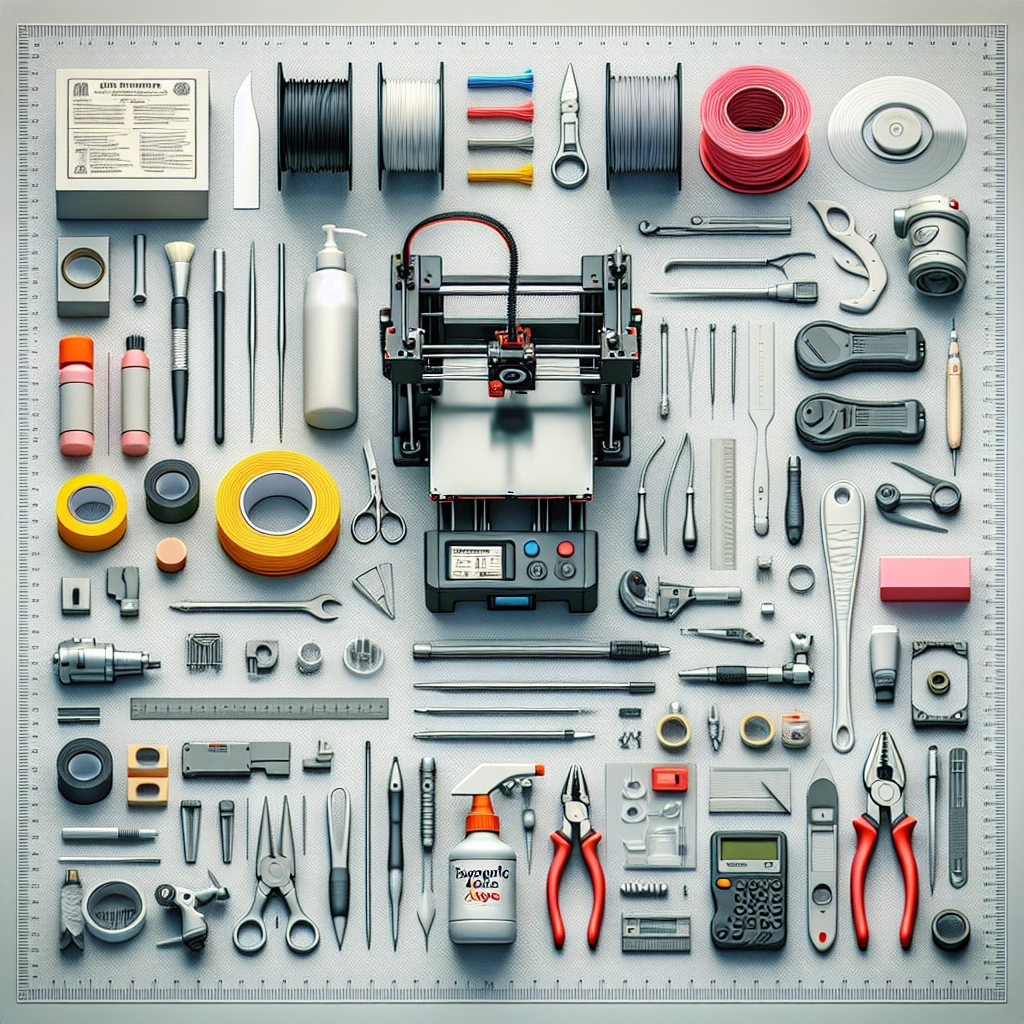
Getting Started with 3D Printing: Essential Tools and Materials
Have you ever thought about bringing your wildest ideas to life? 3D printing has revolutionized the way we create everything from prototypes to actual products, and it’s becoming more accessible than ever. Whether you’re a hobbyist, an artist, or someone just curious about the intersection of technology and creativity, diving into the world of 3D printing can be an incredibly rewarding experience. But where do you start? Let’s take a look at some essential tools and materials to help you kick off your 3D printing journey.
Understanding the Basics
Before jumping into the tools and materials, it helps to understand the basic concept of 3D printing. At its core, 3D printing (also known as additive manufacturing) is a process where a physical object is created layer by layer from a digital model. These models can be designed from scratch or downloaded from various online repositories.
In the realm of 3D printing, there are several technologies. The most common one you’ll encounter is Fused Deposition Modeling (FDM), which uses melted thermoplastic materials to build objects. This introduction is just a quick overview—every 3D printing journey starts with getting the right tools and materials!
Essential Tools
1. 3D Printer
Naturally, the first item on your list is a 3D printer. There are countless models available, ranging from affordable options for beginners to high-end machines used for professional work. Popular choices for newbies include the Creality Ender series and the Anycubic i3 Mega. These printers strike a balance between cost, performance, and user-friendliness. As you get more comfortable, you can explore higher-end options.
2. Slicing Software
Once you have your printer, the next step is to convert your 3D model into a format your printer can understand. This is where slicing software comes in. Programs like Cura, PrusaSlicer, and Simplify3D take your digital design and slice it into layers, creating the necessary instructions for your printer. Many of these software options are free and easy to use, making them perfect for beginners.
3. Basic Hand Tools
While your 3D printer does most of the work, having a few handy tools can make your experience smoother. A pair of tweezers, a spatula or scraper, and some needle-nose pliers will help you remove prints from the build plate and clean up any imperfections. A small file or sandpaper can also be useful for smoothing out your finished pieces.
4. Safety Gear
Depending on the materials you choose, safety gear could be essential. While FDM printing is generally safe, wearing gloves and even a mask when working with resin printers is a smart idea. Good ventilation in your workspace is crucial too, especially if you’re using materials that may release fumes.
Essential Materials
1. Filament
For FDM printers, filament is the star of the show. Common types include PLA, ABS, and PETG. PLA (Polylactic Acid) is an excellent material for beginners due to its ease of use, low warping, and biodegradable properties. ABS (Acrylonitrile Butadiene Styrene) is more durable and heat-resistant, while PETG (Polyethylene Terephthalate Glycol) combines qualities of both. It’s wise to start with PLA before experimenting with more advanced materials.
2. Print Bed Adhesives
Getting your print to stick to the bed can be a challenge, especially for larger prints. Some go-to solutions include blue painter’s tape, glue sticks, or specialized adhesive sprays. These can help ensure your prints don’t warp or detach during the process.
3. Support Materials
When printing complex designs that require supports, you might need additional materials. Some filaments work with support materials that dissolve in water, making cleanup much easier. Breakaway supports are another option, allowing you to manually remove them post-print.
4. Post-Processing Supplies
Post-processing is part of the fun! It can involve techniques like sanding, painting, or assembling multiple parts. Having an assortment of paints, stickers, or tools for assembly will enliven your 3D creations and bring out their personality.
Finding Your Community
Don’t go on this journey alone! Engaging with online forums and local makerspaces can help you find support, tutorials, and inspiration. Platforms like Reddit, Facebook groups, and 3D printing-specific forums can provide valuable insights and troubleshooting tips as you start your adventure.
As you can see, getting started with 3D printing is about more than just the printer itself; it’s a whole ecosystem of tools and materials designed to help you turn your ideas into reality. With the right equipment and a splash of creativity, you can embark on an exciting journey of making, learning, and innovating. So, roll up your sleeves, explore your imagination, and let the world of 3D printing unfold in front of you!