

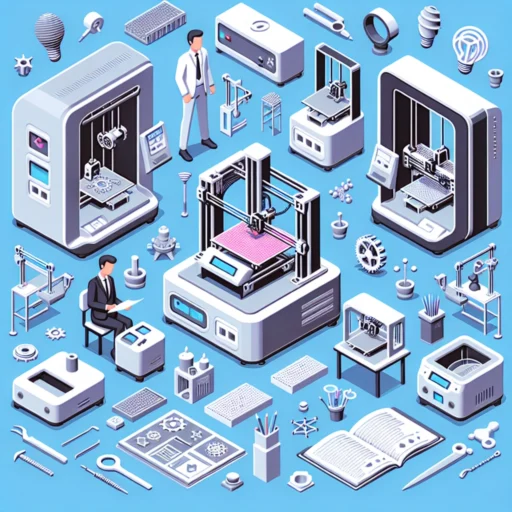


How to Choose the Perfect 3D Printer for Your Needs
With the increasing popularity of 3D printing, stepping into the world of three-dimensional creations can be both exciting and a bit overwhelming. Whether you’re a hobbyist eager to bring your ideas to life, an educator looking for new ways to engage students, or an entrepreneur working on prototypes, the right 3D printer can make all the difference. But with so many options out there, how do you choose the perfect one? Let’s break it down!
Define Your Purpose
The first step in selecting a 3D printer is to clarify its intended use. Are you printing simple models for fun, or do you need a printer capable of creating intricate prototypes for your business? For casual users, a beginner-friendly printer with a straightforward setup might suffice. On the other hand, professionals may need advanced features like higher resolutions, larger build volumes, and the ability to print with various materials.
Understand Your Budget
Next up is budgeting. 3D printers can range from a few hundred dollars to several thousand, depending on their capabilities. If you’re just starting out, you may want to consider cost-effective options. Many excellent entry-level printers offer solid performance without breaking the bank. Keep in mind that, beyond the initial cost of the printer, you’ll also need to budget for materials and accessories like filament, glue, or even specialized software for design and printing.
Types of 3D Printers
When it comes to choosing the right printer, understanding the different types available can help narrow down your options. Here’s a brief rundown:
-
FDM (Fused Deposition Modeling): These are the most common types of printers for hobbyists. They work by melting filament and layering it until the object is complete. They’re affordable, easy to use, and are perfect for beginners. However, they may not achieve the finest details compared to other types.
-
SLA (Stereolithography): If detail is your priority, SLA printers shine in this area. They cure resin layer by layer with UV light, creating highly detailed and smooth finishes. However, they can be more expensive, and the resin can be messier and more hazardous than filament.
-
SLS (Selective Laser Sintering): These are typically used in professional settings. They utilize a laser to fuse powdered material together, creating strong, durable parts. SLS printers can be pricey and are not usually necessary for casual users.
-
Others: There are various other types like DLP (Digital Light Processing) and PolyJet, which are again more specialized or found in industrial settings.
Build Volume and Print Size
Before committing to a printer, consider the maximum build volume. This measurement indicates the largest object you can create. If you plan to print large models or multiple items simultaneously, having a larger build volume can save you time and hassle. But, if your projects are smaller, a compact printer will work just fine and might even be easier to manage.
Material Compatibility
Not all 3D printers are created equal when it comes to the types of materials they can use. If you have a specific material in mind, such as flexible filament, PLA, or even exotic options like metal or ceramic, make sure the printer you choose is compatible. Beginner printers usually work well with PLA and ABS, while professional or industrial printers may allow for a wider range of materials.
Community and Support
Lastly, don’t overlook the importance of community and support. A strong user community can be incredibly helpful, especially if you’re new to 3D printing. Look for printers with good online forums, user groups, and solid customer support. A printer with an active community means you’ll have resources for troubleshooting and improving your skills as you embark on your 3D printing journey.
Final Thoughts
With the right 3D printer by your side, the possibilities are endless, whether you’re crafting intricate designs, producing prototypes, or simply having fun. Take the time to reflect on your needs and what you hope to create. A little research can go a long way, helping you find the perfect balance of features, budget, and reliability. Ultimately, choosing a 3D printer is more than just a purchase—it’s the start of a creative adventure. Happy printing!


