


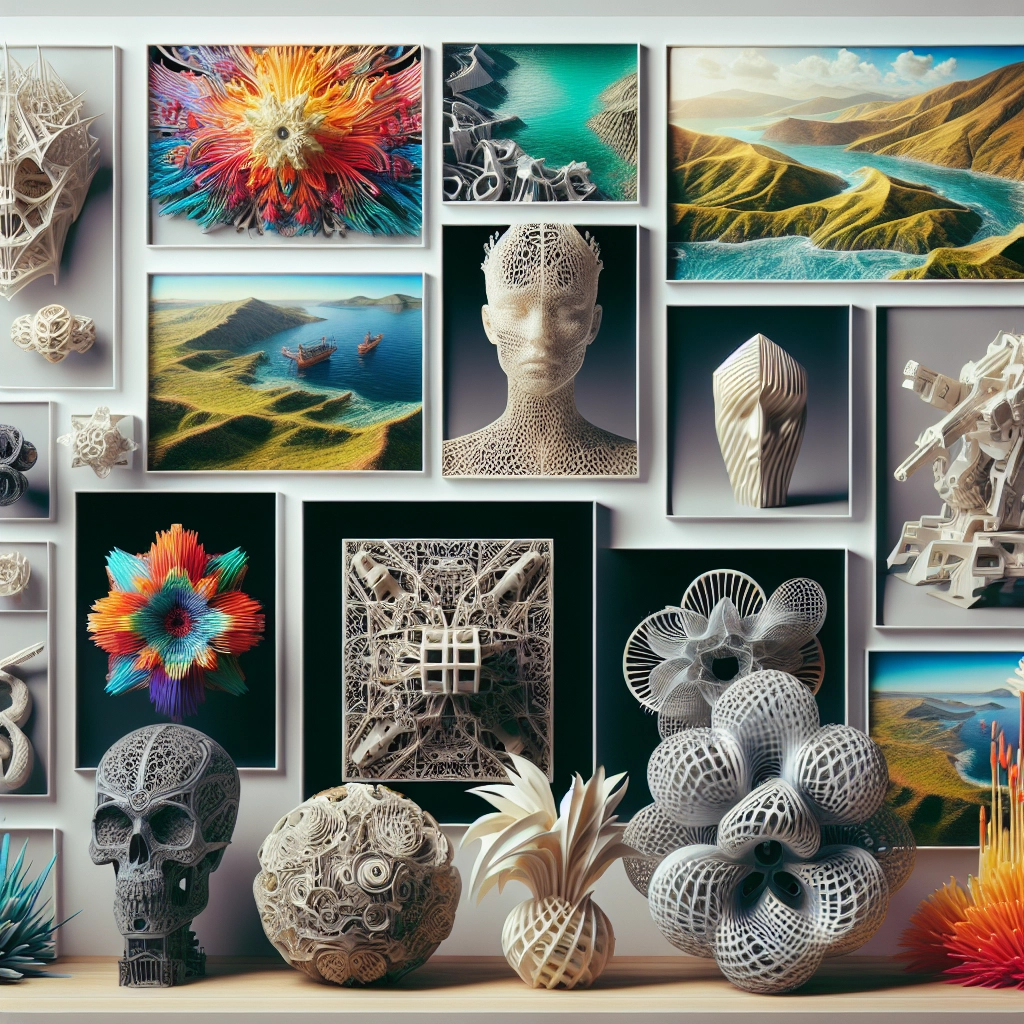
Unleashing Creativity: Artistic Applications of 3D Printing
The world of art is constantly evolving, and in recent years, we’ve witnessed a remarkable shift with the incorporation of technology—especially 3D printing—into the creative process. This fascinating tool is not just for engineers or manufacturers; it has opened up a whole universe of artistic possibilities that are changing the way artists conceptualize, create, and showcase their work. Let’s dive into how 3D printing is being used in the art realm, unlocking innovative avenues for expression and creativity.
A New Canvas for Artists
For many artists, traditional materials can sometimes limit their vision. Imagine being able to draft a sculpture in your mind and then bring it to life with pinpoint accuracy, all thanks to a 3D printer. Artists are now able to experiment with intricate designs that would be incredibly challenging, if not impossible, to create by hand.
Take, for instance, the work of artists like Joshua Harker, who pioneered the use of 3D printing for complex sculptures. His intricate designs—a blend of art and engineering—take on delicate forms that challenge the very definition of sculpture. Harker showcases that 3D printing allows for an exploration of shapes and structures that push the boundaries of traditional artistry.
A Blend of Old and New Techniques
What’s exciting about 3D printing in the arts is how it can coexist with traditional techniques. Some artists are integrating 3D-printed elements into their existing practices. Imagine a painter who creates stunning landscapes or portraits and then incorporates unique 3D-printed textures to enhance their visual impact. The result is a synthesis of methods that produces stunning works of art, allowing for really unique storytelling.
Furthermore, 3D printing can serve as a tool for prototyping. Sculptors can create a 3D model of their work before committing to heavier materials. This iterative process not only saves time but also allows them to adjust the form and structure before the final work is realized. This blending of old and new can lead to thrilling creative outcomes.
Revolutionizing Accessibility
One of the most promising aspects of 3D printing in the arts is its potential to make art more accessible. With the ability to create intricate artworks at a fraction of the cost and time traditionally required, artists from diverse backgrounds can turn their visions into reality.
Moreover, aspiring artists are finding online resources and tutorials that allow them to learn how to design and print their own pieces. Local makerspaces offer community access to 3D printers, democratizing the artistic process and encouraging more people to express themselves creatively, regardless of their previous experience or resources.
Customization and Personalization
3D printing lets artists delve deep into the realm of customization. Whether it’s creating one-of-a-kind jewelry, designing tailored home decor items, or developing personalized gifts, the options are endless. Artists can connect directly with their audience, allowing customers to request unique designs or modifications, which creates a more engaging relationship between creator and consumer.
For example, jewelry designers are harnessing the power of 3D printing to create bespoke pieces that cater to individual styles. Instead of settling for generic models found in stores, customers can collaborate with artists to co-create personalized treasures. This not only elevates the value of the artwork but also fosters a sense of community among creators and their supporters.
A Space for Collaboration
Finally, 3D printing has opened the doors for collaboration among artists and professionals from different fields. Architects, designers, and digital artists are teaming up to bring concepts to life in innovative ways. They share their expertise and perspectives, leading to hybrid creations that are truly remarkable.
Museums and galleries are increasingly showcasing 3D-printed art, often featuring collaborative pieces that arise from these interdisciplinary partnerships. This blending of ideas signifies not just a marriage of art and technology but a revolution in how we perceive and experience creative work.
In this age of digital transformation, the artistic landscape is being reshaped by the likes of 3D printing. With its ability to enhance traditional methods, promote accessibility, and enable customization and collaboration, this technology serves as a vibrant palette for artists to express themselves. As we continue to explore these artistic applications, it’s exciting to think about where creativity will take us next. Whether you’re an experienced artist or someone just beginning to dip your toes into the creative waters, the world of 3D printing welcomes everyone to imagine, create, and share. This is just the beginning of a journey that celebrates the limitless potential of human creativity.