


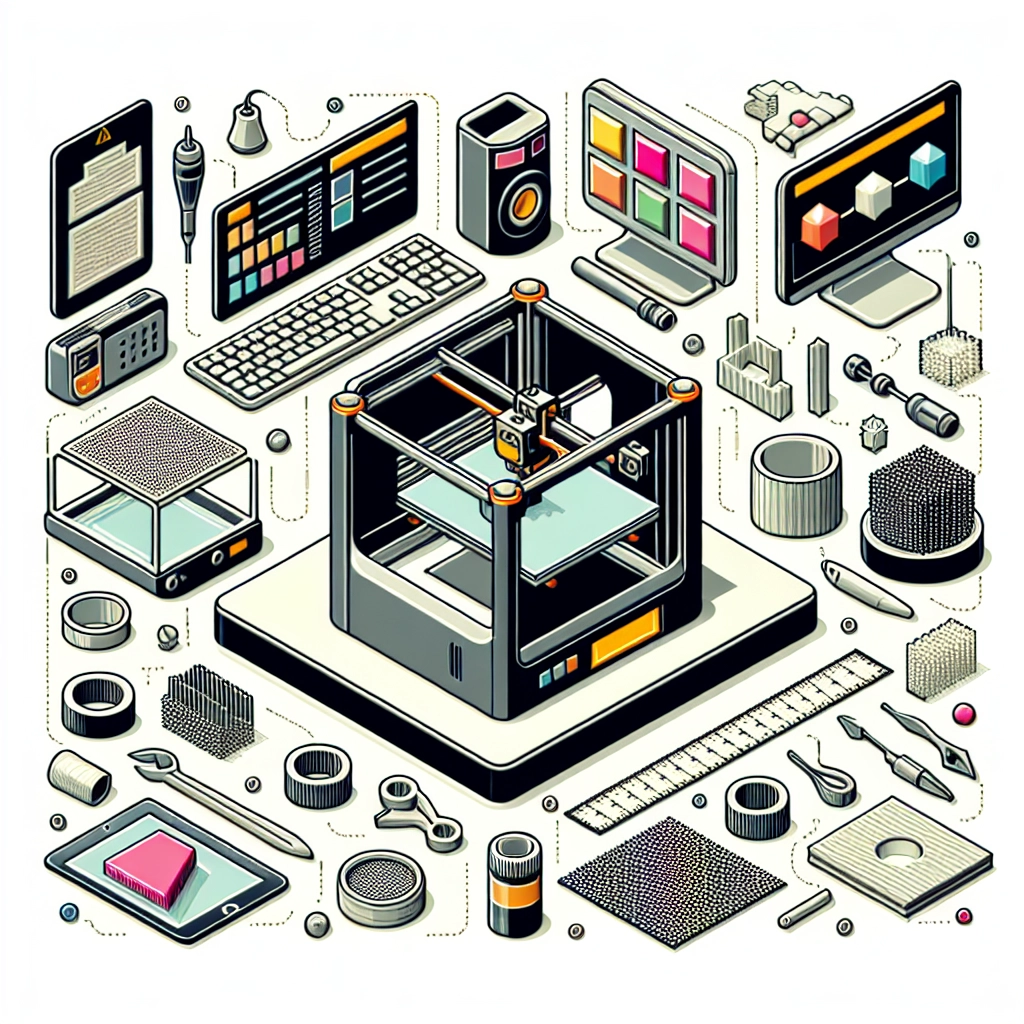
Mastering the Basics of 3D Printing: Techniques and Materials
In recent years, 3D printing has taken the world by storm, transforming industries and igniting the creativity of hobbyists everywhere. Whether you’re a tech enthusiast, an artist, or just looking for an engaging new hobby, understanding the basics of 3D printing can open up a world of possibilities. So, let’s dive into the essential techniques and materials that every budding 3D printing aficionado should be familiar with.
Understanding 3D Printing
First things first, what exactly is 3D printing? At its core, 3D printing, also known as additive manufacturing, is a process of creating three-dimensional objects from a digital file. The beauty of it lies in the way objects are built layer by layer, as opposed to traditional subtractive manufacturing methods where material is removed to create a shape. This process can bring your wildest ideas to life, whether it’s a custom-designed figurine, home decor, or even functional mechanical parts.
Getting to Know the Techniques
There are several techniques of 3D printing, but the most common ones include Fused Deposition Modeling (FDM), Stereolithography (SLA), and Selective Laser Sintering (SLS). Here’s a brief overview:
Fused Deposition Modeling (FDM)
FDM is the most widely used 3D printing technique, especially among hobbyists. It works by melting thermoplastic filaments and extruding them through a heated nozzle to build an object layer by layer. The advantages of FDM include its affordability, a broad range of materials, and relatively simple setup. However, details can sometimes be less sharp compared to other methods, making it best suited for basic prototypes and functional parts.
Stereolithography (SLA)
SLA uses a laser to cure liquid resin into solid objects. The laser targets specific areas of a resin vat, hardening the material as it builds each layer of the print. SLA is known for its high precision and smooth surface finish, making it perfect for intricate designs like jewelry or models. However, the process can be slower and the materials more costly, not to mention the need for post-processing (like cleaning and curing) which adds to the time commitment.
Selective Laser Sintering (SLS)
SLS involves using lasers to fuse powdered materials (usually plastic, metal, or ceramic) together in a build chamber. The finished product typically doesn’t require support structures since the unused powder acts as a support. One of the standout features of SLS is its strength and durability, making it suitable for functional components or end-use parts. However, like SLA, it can also be on the pricier side, making it a choice more suited for industrial applications.
Choosing the Right Materials
The choice of material in 3D printing can greatly influence the final product, both in terms of appearance and functionality. Here are some popular materials you’re likely to encounter:
PLA (Polylactic Acid)
PLA is one of the most common materials used in FDM printing. It’s biodegradable, easy to work with, and comes in a variety of colors. This makes it a great option for beginners and those who want to create decorative objects. However, it’s important to note that PLA can be less durable than other filament types, especially in high-temperature environments.
ABS (Acrylonitrile Butadiene Styrene)
ABS is another popular material for 3D printing, particularly for creating durable parts. It has a higher melting point than PLA, making it better suited for functional projects. However, it can be trickier to print due to warping and requires a heated print bed.
PETG (Polyethylene Terephthalate Glycol)
PETG has gained popularity in recent years due to its strength and flexibility. It’s a great alternative if you want the best of both worlds—combine the ease of PLA printing with the ruggedness of ABS. Plus, it’s less prone to warping, making it user-friendly for beginners.
Resin
For those venturing into SLA printing, resin is your go-to material. Resins come in various formulations suited for different applications, from flexible prints to rigid models. The only downside is the need for careful handling and post-processing, but the end results can be stunning.
Putting It All Together
Mastering 3D printing can seem daunting at first, but with time and practice, you’ll discover the incredible versatility of this technology. Whether you’re crafting intricate jewelry, designing functional tools, or just having fun with some artistic projects, understanding the techniques and materials available to you will set you on the path to success.
So, why not dive in? Invest in a beginner-friendly printer, play around with different materials, and let your imagination run wild. You never know what amazing creations await you in the world of 3D printing! The journey is just as thrilling as the destination—happy printing!