


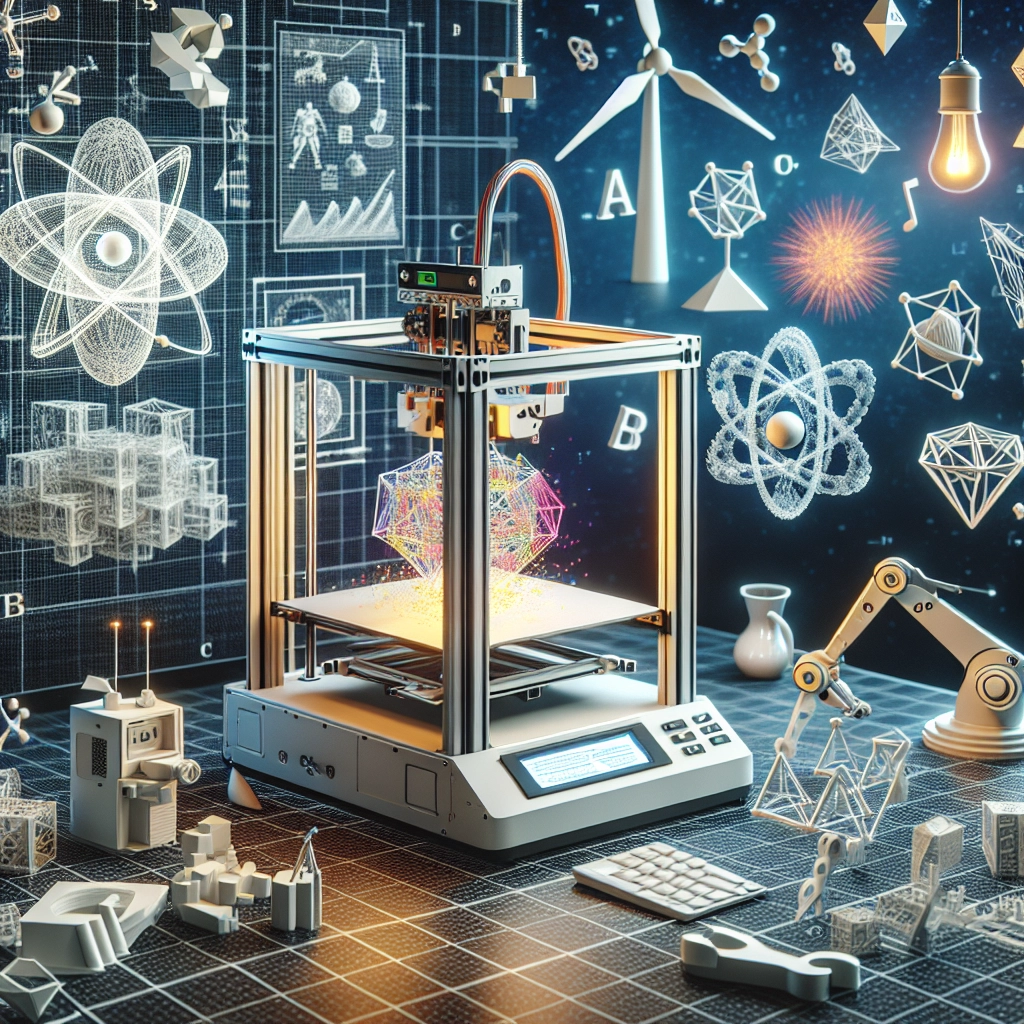
3D Printing for Education: Engaging Students in STEM
In an age where technology is evolving at breakneck speed, educators are constantly on the lookout for ways to spark curiosity and enhance learning. One of the most exciting innovations making waves in classrooms around the globe is 3D printing. This cutting-edge technology is not only changing how we think about manufacturing and design, but it’s also revolutionizing the way students engage with STEM (Science, Technology, Engineering, and Mathematics) subjects. Let’s dive into how 3D printing opens new doors for students and brings learning to life in a tangible and interactive way.
Bringing Concepts to Life
Imagine a classroom filled with students eagerly discussing complex scientific concepts. Now picture them not just reading about these concepts, but actually creating models to visualize them. That’s the magic of 3D printing! Whether it’s printing a model of a DNA strand, an ancient artifact, or even a working circuit, 3D printing allows students to touch and manipulate their learning materials. This hands-on experience helps solidify abstract concepts by making them concrete. Instead of passively absorbing information, students become active participants in their education.
Sparking Creativity and Innovation
3D printing encourages creativity. When students are given the tools and freedom to create, the sky’s the limit! They can design prototypes, engage in problem-solving tasks, and even troubleshoot issues in real time. This creative process enhances critical thinking skills, providing an environment where failure is embraced as part of learning. A student can design a bridge in a civil engineering unit, print it out, and then test its weight-bearing strength with a few weights. This kind of trial and error fosters resilience and adaptability—key traits in any aspiring engineer or scientist.
Collaboration and Teamwork
Another remarkable aspect of 3D printing is its ability to foster collaboration among students. Working on projects as a team can cultivate communication and interpersonal skills while also exposing students to diverse perspectives. In the world of 3D printing, students can partner up on projects to design and print a model together, whether it’s for a science fair or a classroom display. This collaborative process not only builds friendships but also mirrors real-world scenarios where teamwork is essential for success.
Real-World Applications
One of the most compelling aspects of 3D printing in education is its real-world application. When students create objects with a purpose—like a prototype for a proposed invention or a model for a science fair—they can see the tangible results of their efforts. This connection helps bridge the gap between classroom learning and real-world challenges. Engineers and designers often rely on 3D printing for rapid prototyping; by mimicking these practices in school, students gain insights into processes and professions they might pursue in the future.
Enhancing Accessibility
3D printing also has the potential to create a more inclusive learning environment. For students with learning disabilities or for those who struggle with traditional teaching methods, tactile learning opportunities can make a significant difference. By providing physical models of various concepts, educators can cater to different learning styles, allowing everyone to engage with the material. From enhancing spatial awareness in geometry to bringing history lessons alive with printed artifacts, 3D printing opens doors for learners who might otherwise struggle with conventional methods.
Beyond the Classroom
The implications of 3D printing extend beyond the classroom, too. Students can take their designs home, work on them as personal projects, or even launch them into the world with online platforms like Thingiverse. The skills and knowledge gained through 3D printing can also be applied in summer camps, after-school clubs, or community maker spaces, promoting lifelong learning. With access to 3D printing technology becoming more prevalent, students are armed with tools to innovate and solve real-life problems where they live.
A New Era of Learning
3D printing for education isn’t just a fad; it’s a powerful tool reshaping the way we teach and learn in STEM fields. By providing engaging, hands-on experiences, fostering creativity and collaboration, and opening pathways to real-world applications, this technology empowers students to explore their passions and think critically. As we embrace the era of 3D printing in education, we cultivate not just future inventors and engineers but curious, capable individuals ready to tackle the challenges of tomorrow.
Next time you step into a classroom buzzing with excitement over 3D designs being brought to life, remember—it’s not just about the end product; it’s about the journey of curiosity and discovery that 3D printing ignites in the hearts and minds of students everywhere.