


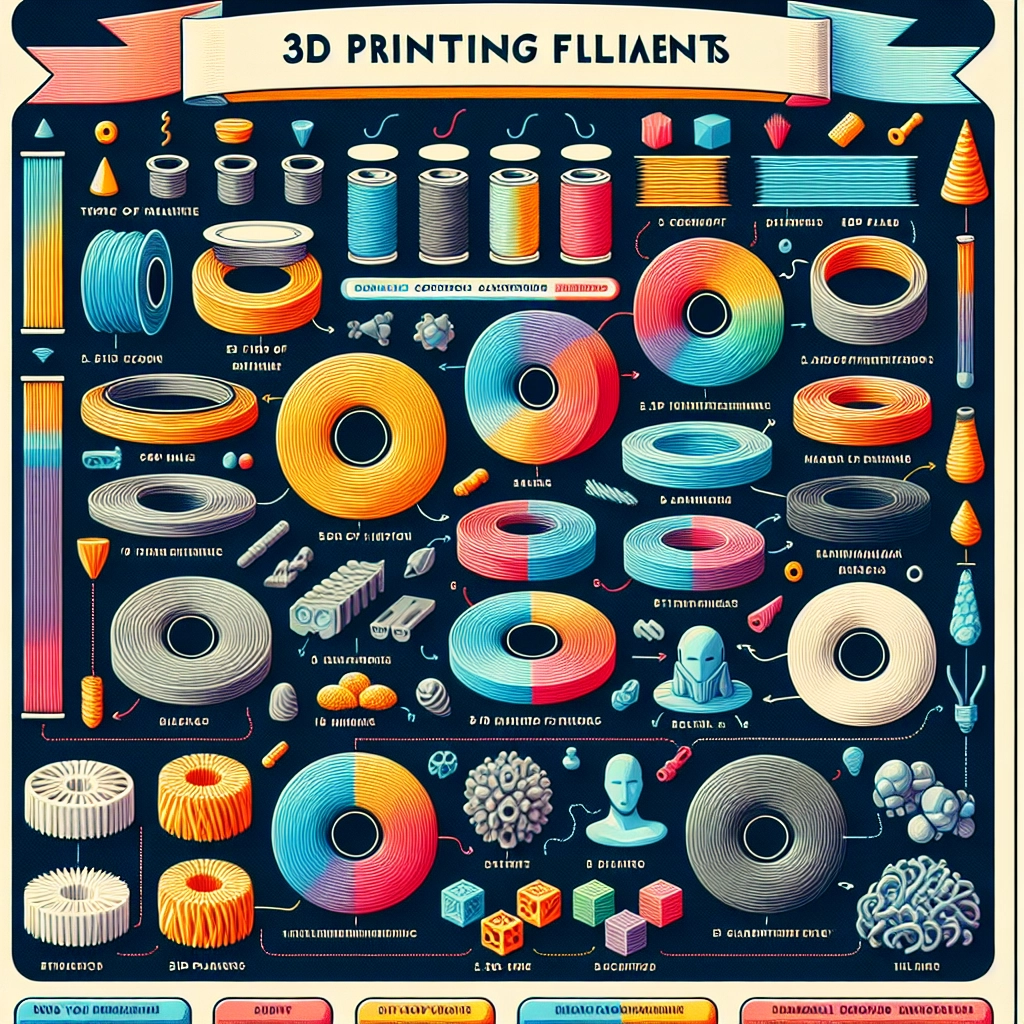
3D Filaments 101: A Beginner’s Guide to Materials
Welcome to the wonderful world of 3D printing! Whether you’re a hobbyist, an engineer, or just someone curious about this groundbreaking technology, understanding 3D filaments is key to unlocking your creativity. With a rainbow of materials available to you, each has its unique properties and best uses. So, let’s dive in and explore the various types of 3D filaments that you can use in your next project!
What Are 3D Filaments?
At its core, a 3D filament is a long, thin strand of material used in 3D printers, specifically Fused Deposition Modeling (FDM) printers. The filament is fed into the printer, melted down, and extruded layer by layer to create your desired object. Choosing the right filament can make all the difference between a successful print and a tangled mess of plastic.
PLA: The Go-To Beginner Filament
If you’re just getting started, you can’t go wrong with PLA (Polylactic Acid). It’s biodegradable, derived from renewable sources like cornstarch, and extremely user-friendly. PLA works beautifully with most 3D printers and provides excellent print quality with vibrant colors available. It’s perfect for creating prototypes, toys, or decorative elements. However, PLA does have its limitations; it’s not the best choice for durable outdoor items or high-temperature applications since it can deform in heat.
ABS: The Classic Workhorse
Next up is ABS (Acrylonitrile Butadiene Styrene), the material behind LEGO bricks! It’s known for its toughness and durability, making it suitable for functional parts and prototypes that need to endure some wear and tear. One thing to note, though, is that ABS releases some fumes while printing, so proper ventilation is crucial. If you can manage that, ABS is an excellent material for items like bespoke tools or phone cases.
PETG: The Best of Both Worlds
If you’re looking for something that combines the best features of PLA and ABS, PETG ( glycol-modified Polyethylene Terephthalate) may be what you’re after. PETG is tougher than PLA but easier to print than ABS, making it a fantastic middle-ground option. It’s resistant to moisture and chemicals, which means it’s great for food containers or outdoor gadgets. Plus, it has that glossy finish that many people love!
TPU: Flexibility at Its Best
For those interested in flexible prints, TPU (Thermoplastic Polyurethane) is the way to go! This material allows you to create parts that can bend, stretch, and compress without breaking. Think about the potential for tailored phone cases, wearables, or even toys that bounce back after being squished. However, printing with TPU can be a bit trickier than with rigid materials, as it requires a slower speed and sometimes special print settings.
Nylon: The Heavyweight Champion
When you need resilience, Nylon has got your back! This filament is tough, durable, and highly resistant to wear and tear. If you’re engineering parts for drones, automotive applications, or functional prototypes, Nylon is a strong contender. Keep in mind that it tends to absorb moisture from the air, so it’s important to store it properly to avoid issues during printing.
Specialty Filaments: Get Adventurous!
As you become more familiar with the 3D printing world, you might want to explore some specialty filaments. These can include materials infused with wood, metal, or even glow-in-the-dark features that can add a unique flair to your projects. These filaments usually come with their own set of printing guidelines, so be sure to do your research before diving in.
Making the Right Choice
When choosing a filament, you want to consider the purpose of your print, the capabilities of your 3D printer, and your comfort level with different materials. It might take a bit of trial and error, but that’s part of the fun of 3D printing! As you continue to print and experiment, you’ll find which materials resonate best with your creative ambitions.
In the grand scheme of 3D printing, filaments are like the colors on an artist’s palette. They give you the freedom to bring your ideas to life, enabling a world of creativity at your fingertips. So, roll up your sleeves, grab your 3D printer, and start exploring the amazing possibilities of 3D filaments. Happy printing!