


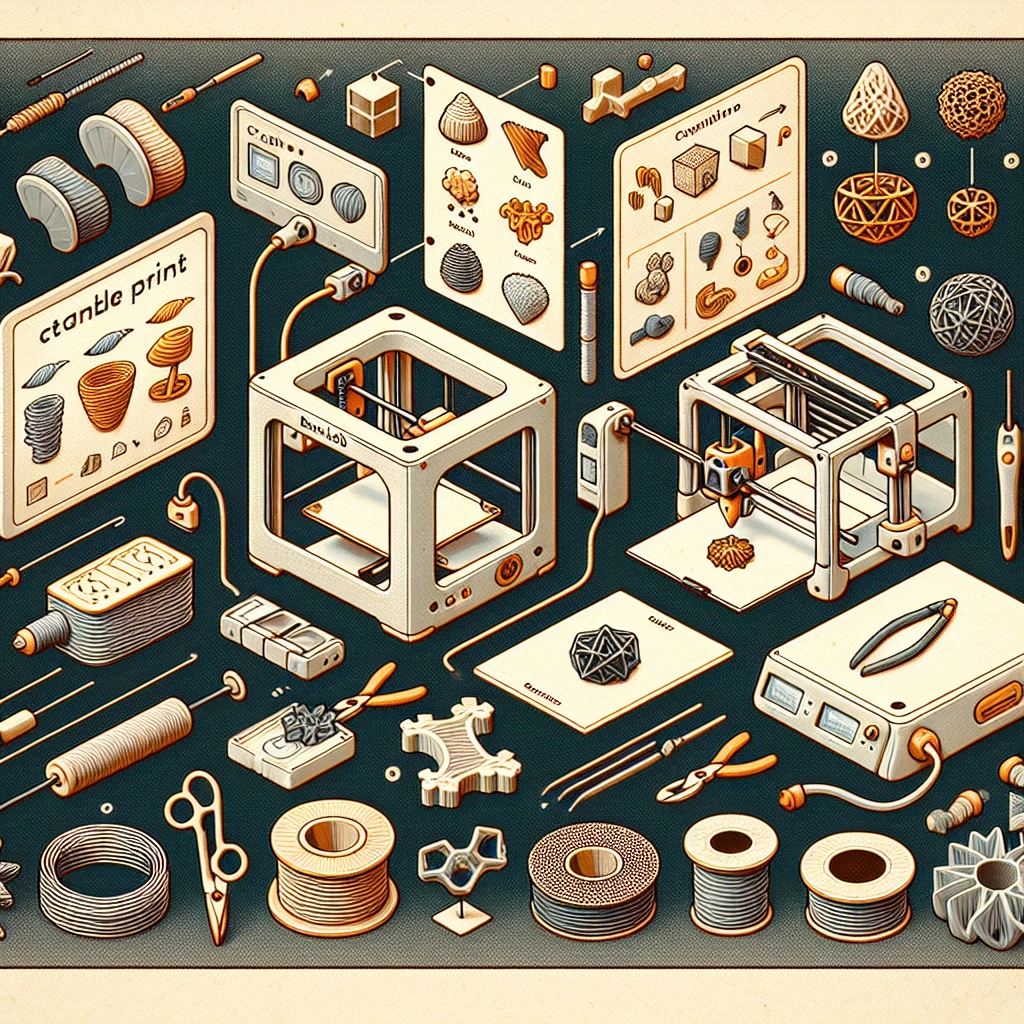
How to Create Stunning 3D Prints with Bambu Lab Filaments
If you’ve dipped your toes into the world of 3D printing, you know just how vital quality filament is to achieving those breathtaking, jaw-dropping prints. Fortunately, Bambu Lab has made quite a name for itself in the 3D printing community, offering a range of filaments that can elevate your projects from average to awe-inspiring. Whether you’re a hobbyist, an artist, or someone who just loves to create, let’s dive into how to make the most of Bambu Lab filaments in your 3D printing adventures.
Why Bambu Lab Filaments?
First things first, what makes Bambu Lab filaments stand out? For starters, their commitment to quality and performance means you get a consistent printing experience. From PLA and PETG to more advanced materials like ASA and carbon-fiber reinforced filaments, Bambu Lab has a filament suitable for almost any project you might dream up. Their filaments are known for excellent adhesion, vibrant colors, and minimal warping—three factors that can make or break your prints!
Getting Started: What You’ll Need
Before you begin, let’s gather the essentials. You’ll need:
- 3D Printer: Ideally, a Bambu Lab printer, though these filaments can work on most FDM printers.
- Filament: Choose a Bambu Lab filament that suits your project.
- Design Software: A program like Tinkercad, Fusion 360, or Blender to create or modify your 3D models.
- Slicing Software: Use Bambu’s own slicer, or another one you’re comfortable with, to prepare your models for printing.
Setting Up Your Printer
One of the beautiful aspects of working with Bambu Lab filaments is that they often come with recommended settings specific to the material. Start by checking their guidelines, which typically include temperature ranges, print speeds, and nozzle sizes. Most Bambu filaments are designed to print efficiently, but sticking to their recommendations will help you avoid frustrating hiccups.
Make sure the print bed is clean and properly leveled. A well-prepared build platform is crucial for first layer adhesion, especially for materials like PETG, which can be a bit temperamental.
Choosing Your Filament
Now that your printer is ready, it’s time to select the right filament for your project:
-
PLA (Polylactic Acid): Ideal for beginners, PLA is easy to print and perfect for detailed models. It’s biodegradable, and Bambu Lab offers a variety of fun colors to choose from.
-
PETG (Polyethylene Terephthalate Glycol): Known for its strength and durability, PETG is great for functional parts. It’s also resistant to moisture, making it suitable for outdoor use.
-
ASA (Acrylonitrile Styrene Acrylate): If you need something that can withstand UV light and harsh weather, ASA is your hero. It’s perfect for outdoor applications and is quite durable.
-
Composite Filaments: For those looking to push the limits, Bambu Lab’s carbon fiber and other composite filaments can give your prints that extra edge in terms of strength and aesthetics. Just be mindful that these types usually require a hardened nozzle to avoid wear.
Fine-Tuning Your Prints
With everything set up, it’s time to hit that print button! As your creation slowly comes to life, it’s essential to keep an eye on the early layers. If you notice any issues like curling, stringing, or poor adhesion, it may be worth tweaking your print speed or temperature.
Post-Processing: After printing, consider sanding, painting, or even epoxy-coating your prints for a polished, professional look. Bambu Lab’s filaments take paint well, allowing you to add that personal touch.
Experiment and Explore
One of the best parts of 3D printing is the endless opportunities for creativity. Don’t be afraid to experiment with different filaments and projects. Whether you’re creating intricate miniatures, practical prototypes, or decorative home items, the unique properties of Bambu Lab filaments can help you achieve stunning results.
You can even join the Bambu Lab community for support and inspiration. Many users share their fantastic projects online, sparking ideas for your future designs.
From a simple tall vase to an elaborate set of functional kitchen tools, the only limit is your imagination. With Bambu Lab filaments in your corner, you have the potential to turn your visions into reality, creating pieces that are not just functional but also a true reflection of your personal style. Happy printing, and here’s to many stunning creations in your future!