


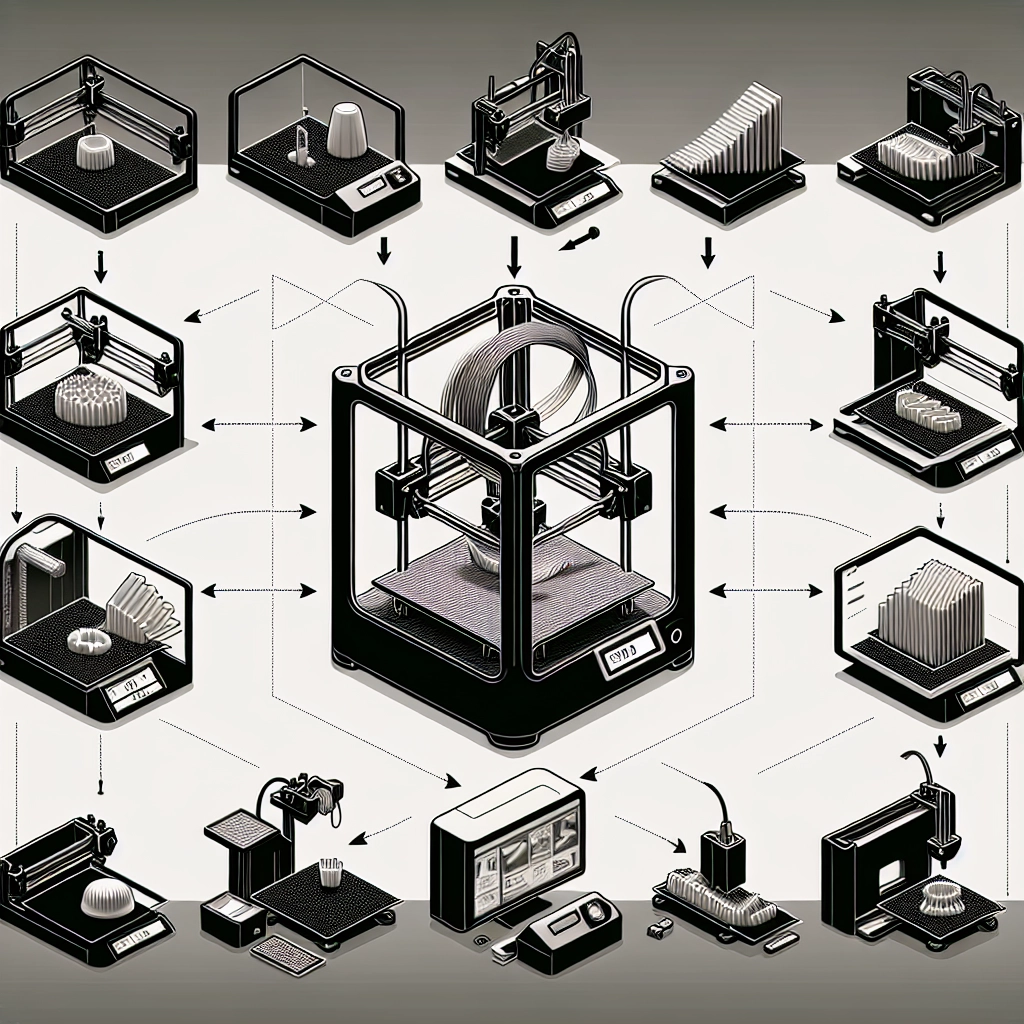
Understanding the 3D Printing Process: From Design to Finished Product
Have you ever wondered how that cool custom figurine or intricate piece of machinery came to be? The magic often lies in 3D printing, a technology that has transformed the way we create and manufacture objects. From prototyping to producing end-use products, the 3D printing process is a captivating blend of creativity and technology, making it accessible to hobbyists and professionals alike. Let’s explore this fascinating journey, step by step.
Step 1: Designing Your Model
Every 3D print begins with a design, and that’s where the fun starts! Using Computer-Aided Design (CAD) software, designers create a 3D model of the object they wish to print. There are plenty of user-friendly programs, like Tinkercad for beginners or more complex ones like Fusion 360 for the pros.
Don’t worry if you’re not a tech whiz; there’s an ocean of ready-to-print designs available online. Websites like Thingiverse and MyMiniFactory offer a treasure trove of free designs. You could print anything from toy models to spare parts for your appliances!
Step 2: Slicing the Model
Once your model is ready, it needs to be sliced into layers that the printer can understand. This is where slicing software comes in. It takes the 3D model and cuts it into thin horizontal layers, creating a set of instructions (G-code) for the 3D printer. This code tells the printer how to move, where to extrude material, and even how long to wait between layers for optimal adhesion.
Most slicing software also allows for fine-tuning settings like layer height, print speed, and infill density. More infill means more strength but also longer print times—finding that sweet spot is part of the challenge!
Step 3: Preparing the Printer
With the design sliced and G-code in hand, it’s time to prepare the printer. First, you’ll need to ensure that the printer bed is level and clean; a well-prepared bed is crucial for optimal adhesion, helping to prevent prints from warping or shifting.
Next, you’ll choose your filament. There are various materials available, like PLA (polylactic acid), which is easy to use and biodegradable, or PETG, known for its strength and flexibility. If you’re feeling adventurous, specialty filaments like nylon or even wood-based filament can add unique textures and characteristics.
Step 4: Printing
Now comes the moment of truth! Send the sliced model to your printer, and watch as it brings your design to life, layer by layer. This part of the process can take anywhere from a few minutes to several hours, depending on the complexity and size of the object.
While your machine works its magic, it’s a good time to sit back, grab a snack, or tackle some chores. But keep an eye on the progress—anything from a power failure to a print bed issue can throw a wrench in the works!
Step 5: Post-Processing
Once your 3D print is complete, it’s time for some post-processing. Depending on the desired finish, this can involve removing support structures, sanding the surfaces, or even painting your piece to achieve the desired look. Some people love the raw, organic feel of a 3D print, while others prefer a polished, professional appearance.
For functional parts, you might want to ensure that everything fits together perfectly, particularly if it’s part of a larger assembly. A little tweaking here and there can help achieve a seamless fit!
Step 6: Final Product
Voilà! You’ve done it! From conception to creation, holding your completed 3D print in your hands brings a sense of accomplishment like no other. Whether it’s a personal project, a gift, or a prototype for a business, each print tells a story of your creativity and effort.
What’s amazing about 3D printing is how it democratizes design and manufacturing. Anyone with a little bit of patience and a creative spark can bring their ideas to life. Hobbyists can create customized gifts or decor; entrepreneurs can churn out prototypes without heavy investment, and even educators can produce tools that enhance learning experiences.
As the technology continues to evolve, so does the potential for innovative applications. From medicine to architecture to art, 3D printing offers endless possibilities for both personal expression and professional solutions.
So, whether you’re just starting out or you’re a seasoned pro, keep pushing the boundaries of what you can create with 3D printing. Who knows? Your next project might just be the next big thing!