


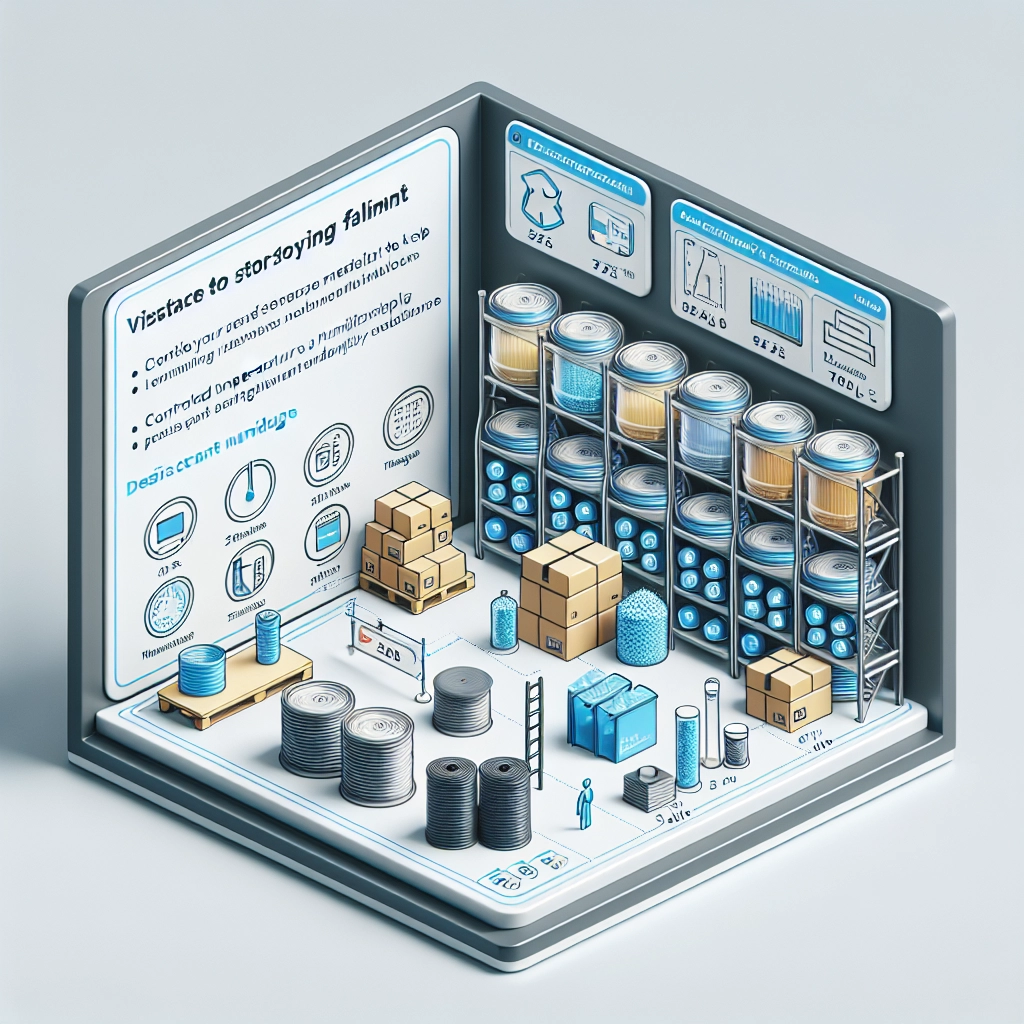
Filament Storage Tips: How to Keep Your Materials in Top Condition
If you’re an avid 3D printer enthusiast, you probably know that the quality of your filament can make or break your printing experience. You’ve invested in your printer and materials, so why not give them the best chance of success? Proper filament storage can significantly affect the durability and usability of your materials. Let’s dive into some practical tips that will help you keep your 3D printing filament in tip-top shape!
Understand the Enemies of Filament
Before we get into the nitty-gritty of storage tips, it’s important to know what you’re up against. The main culprits that can ruin filament are moisture, UV light, and dust. Different types of filament absorb moisture at varying rates; for example, nylon and TPU are particularly notorious for soaking up humidity. When filaments absorb moisture, they can swell, leading to poor print quality, sags, and stringing.
By understanding these potential hazards, you can take preventive measures to protect your materials better.
Sealed Containers Are Your Best Friend
One of the simplest and most effective storage solutions is to keep your filament in airtight containers. Investing in desiccant packs or vacuum-sealed bags can provide an extra layer of protection against moisture. Desiccant packs absorb any humidity inside the container, creating a dry environment for your filament. If you have a collection of filaments, consider using smaller, labeled containers for each kind to avoid confusion.
Make Use of Dry Boxes
For those who are serious about 3D printing, a dry box can be a game changer. Dry boxes are designed to maintain a controlled environment for your filament and often come with transparent sides, allowing you to keep an eye on your materials. You can find commercially available options or even make your own using a plastic container, a hygrometer, and a desiccant.
Just remember to check the humidity levels inside your dry box regularly and replace the desiccant packs as needed.
Store Spools Upright
This might seem like a minor detail, but how you store your filament spools can influence their condition. Storing them upright can help prevent tangles and free the filament from any unwanted bends. If you have a multi-spool setup, consider organizing them on a dedicated shelf or rack. This not only keeps them organized but also ensures they stay dust-free.
Keep Them Away from Sunlight and Heat
As with most materials, heat and UV rays can cause filaments to degrade over time. Try to store your filament in a cool, dark place, like a closet or a dedicated storage room, rather than in direct sunlight. Heat can warp the filaments, especially thermoplastics, leading to issues during printing. Make sure the temperature is stable and suits your filament storage needs.
Labeling Is Key
If you’re like many enthusiasts, your collection of filaments might start to grow. To avoid any confusion during those late-night printing sessions, label each spool with important details like the type, color, and date of purchase. This will help ensure that you’re using the right filament for the job while also letting you keep track of your inventory.
Use the Right Tools
Investing in some basic tools can enhance your filament storage experience. Filament clips can help prevent the ends from unraveling or getting damaged, while a filament guide can assist in preventing tangling while printing. If your spools don’t come with a tightener, you can easily purchase or even make one to keep the filament in control.
Regularly Check for Quality
No matter how well you store your filament, it’s a good idea to regularly inspect it for signs of damage or quality degradation. Look for discoloration, brittleness, or any unusual scents that could indicate moisture absorption. If you notice any of these factors, it might be time to consider drying your filament or, in worst-case scenarios, replacing it altogether.
Keeping your 3D printing filament in optimal condition can be the difference between a successful print and a frustrating failure. By understanding the threats your materials face and employing some straightforward storage techniques, you can prolong the life of your filament and enhance your printing experience. So go ahead, get your filament organized and protected—your future prints will thank you!