


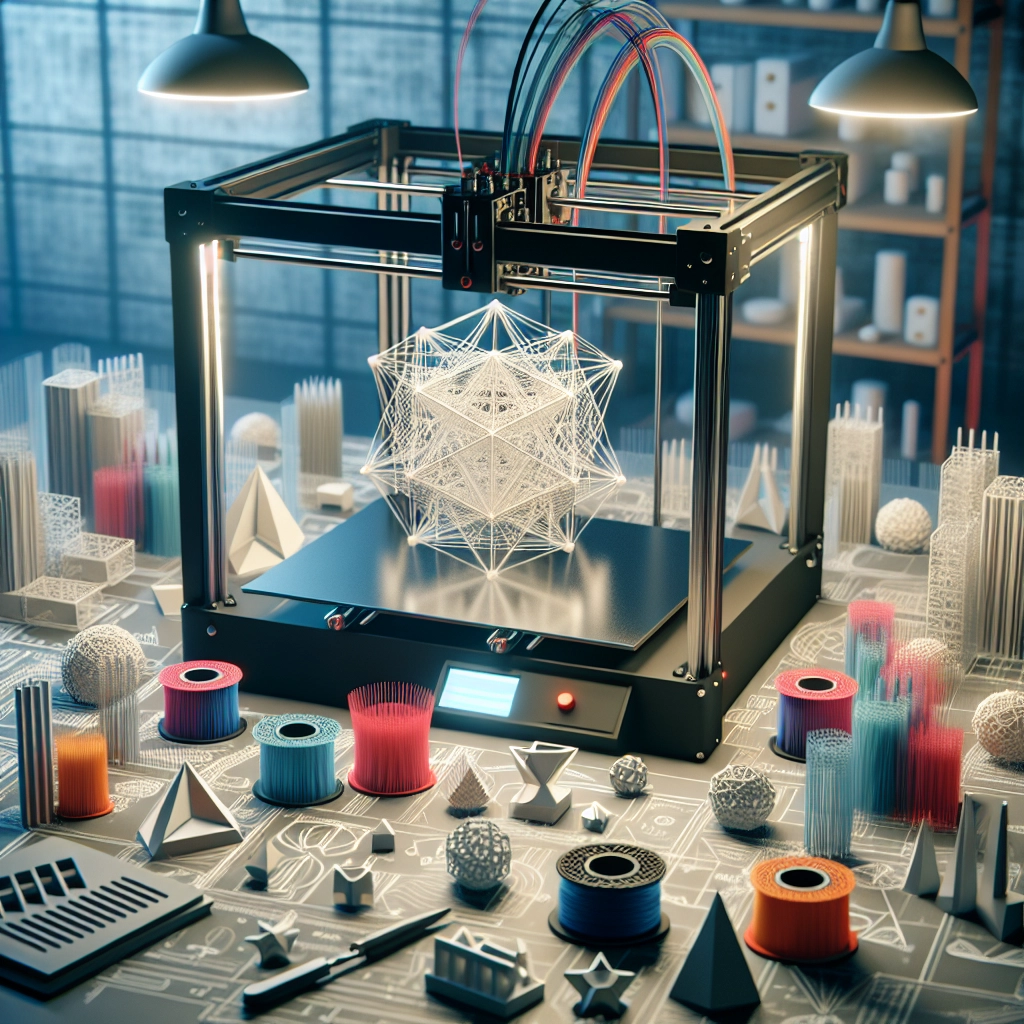
Prototyping and Product Development Using 3D Printing
In the vibrant world of product development, one technology is revolutionizing the way ideas turn into tangible products: 3D printing. Gone are the days when an architect had to wait weeks or months to see a physical model of their design. Now, with just a few clicks and a bit of time, you can hold in your hands a prototype that captures your vision in stunning detail. Let’s dive into how 3D printing is transforming prototyping and the overall product development process.
The Magic of 3D Printing
At its core, 3D printing, also known as additive manufacturing, involves creating three-dimensional objects from a digital file by adding material layer by layer. This isn’t just a geeky gimmick; it’s a game changer for industries ranging from healthcare to automotive to consumer goods. The ability to quickly iterate designs can significantly reduce production costs and time, enabling companies to bring products to market faster and more efficiently.
Rapid Prototyping: Speed Meets Precision
One of the standout benefits of 3D printing is its prowess in rapid prototyping. Traditional prototyping methods can be laborious and expensive. Think about the time and resources involved in crafting molds or machining parts. With 3D printing, designers can produce a prototype in a matter of hours.
Imagine you’re developing a new kitchen gadget. With 3D printing, you can create multiple iterations in a single day, testing different shapes and functionalities without the hefty price tag associated with traditional methods. This not only encourages creativity but also fosters a culture of experimentation and innovation in teams.
Cost-Effectiveness
The financial implications of using 3D printing for prototyping are significant. Traditional manufacturing can involve hefty upfront costs—especially when it comes to tooling and molds. In contrast, 3D printing minimizes these initial investments. You only need a 3D model, some printing material (like plastic or resin), and you’re set to go. This democratizes the process, allowing startups and small businesses to enter markets that once seemed dominated by larger firms with deep pockets.
Moreover, since you can produce parts on demand, you can reduce warehouse space and inventory costs. For many companies, this means more capital can be allocated toward other critical areas, like marketing and research and development.
A Playground for Design
3D printing allows designs to break away from conventional limitations. Complex geometries, intricate details, and customized features can be incorporated without complication. Think of it like a digital playground—it’s less about what you can’t do and more about what exciting things you can create!
For example, in the automotive and aerospace industries, parts with lightweight lattice structures or highly optimized designs can’t usually be manufactured using traditional methods. This ability to create unconventional structures not only enhances performance but also adds a unique flair to products.
Testing and Validation
Having a prototype is one thing, but putting it to the test is crucial. With 3D printing, companies can create functional prototypes that allow for practical testing. This testing phase is vital for gathering feedback from potential users. It helps answer crucial questions: Does the product perform as intended? Is it user-friendly? What modifications could enhance its appeal?
The rapid iteration that 3D printing enables means that feedback can be incorporated almost immediately into the design. This agile approach ensures that by the time a product reaches the market, it is honed and polished, better suited to meet customer needs.
Sustainability and Innovation
We’re in an era where sustainability is more than just a buzzword; it’s a necessity. 3D printing contributes to this movement by minimizing waste. Traditional manufacturing processes often result in a significant amount of scrap material. In contrast, additive manufacturing only uses what’s necessary to create the product. Furthermore, with advancements in biodegradable materials, like plant-based plastics, the potential for eco-friendly products is expanding.
The Future is Bright
As technology continues to advance, the possibilities of 3D printing will only expand. Innovations in materials, speed, and precision are on the horizon. Think about how this technology could be integrated into everyday life—imagine having a 3D printer in your home that could print out replacement parts as needed, or the ability to customize products on the spot.
3D printing is not just a fleeting trend; it’s reshaping the landscape of prototyping and product development across numerous fields. For aspiring designers and established companies alike, embracing this technology opens up a world of possibilities. It brings dreams to life faster, more affordably, and in ways we’re only beginning to explore.
So, whether you’re a budding entrepreneur with a prototype in mind or a seasoned engineer looking to streamline your workflow, 3D printing offers a powerful tool to innovate, iterate, and inspire. The future of product development is bright, and it’s exciting to think what new creations are just around the corner!