


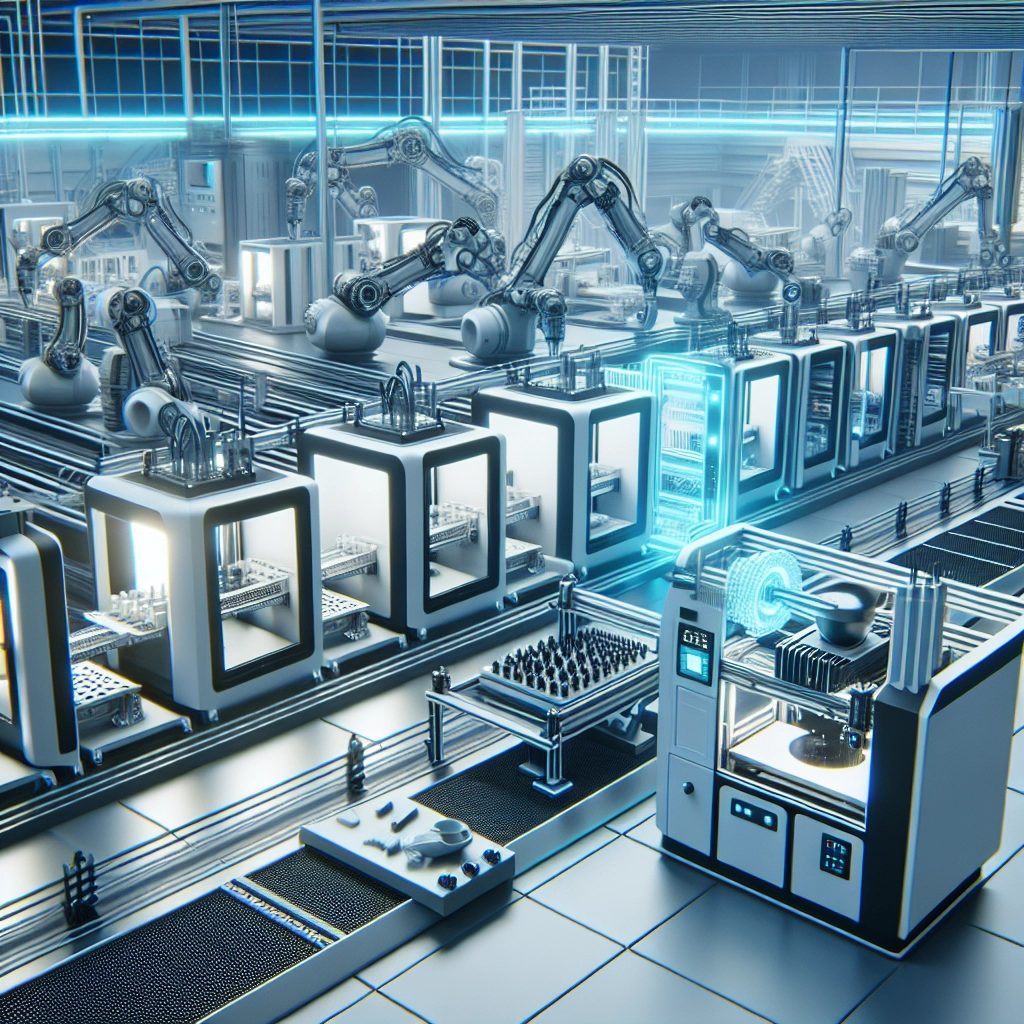
The Role of 3D Printing in the Future of Manufacturing
Hey there, fellow innovators! If you’ve been keeping an ear to the ground in the world of technology and manufacturing, you’ve probably heard quite a bit about 3D printing lately. It’s not just a trend for hobbyists and tinkerers anymore; it’s poised to redefine how we think about manufacturing across various industries. Let’s dive into how this fascinating technology is reshaping the future of making things.
What is 3D Printing Anyway?
Before we dig into its revolutionary potential, let’s break down what 3D printing really is. At its core, 3D printing, or additive manufacturing, is the process of creating three-dimensional objects from a digital file. This is achieved by laying down thin layers of material until the complete object is formed. Unlike traditional manufacturing methods, which often involve cutting away material (subtractive manufacturing), 3D printing builds objects layer by layer, allowing for greater design freedom and creativity.
Customization Takes Center Stage
One of the most significant advantages of 3D printing is its ability to produce customized products at scale. Think about it: everything from custom prosthetics to personalized jewelry can be created with incredible precision and personalization. In the medical field, for instance, doctors can use 3D printing to create tailored implants that fit their patients’ unique anatomies perfectly, leading to better outcomes and faster recovery times. This trend toward customization is not limited to healthcare—it extends into fashion, consumer goods, and beyond.
Cost Efficiency and Sustainability
Let’s talk numbers for a moment. Traditional manufacturing often involves hefty upfront costs for molds, which can be prohibitively expensive for small runs. 3D printing changes the game by significantly lowering the barriers to entry. Small businesses and startups can prototype without the risk of hefty investments, enabling them to innovate more freely.
But it isn’t just about reducing costs; sustainability also plays a massive role in the manufacturing narrative today. With 3D printing, material waste is minimized since the process only uses the necessary amount of material needed to build an object. This aspect, combined with the potential for local production—reducing the carbon footprint tied to transportation—positions 3D printing as a more eco-friendly alternative to traditional methods.
Speeding Up Production Times
In our fast-paced world, speed is of the essence. Time-to-market can make or break a product. Traditional manufacturing processes can take weeks or months, especially when it comes to prototype testing and refinement. 3D printing, however, allows for rapid prototyping, meaning designers can create a prototype, test it, and iterate more quickly. This agility can be a game-changer for companies eager to stay ahead of competition.
Imagine being able to adapt to market feedback in real-time and produce new iterations of your product almost overnight. It sounds like something out of a sci-fi movie, but it is becoming a reality.
Collaborative Innovation
3D printing isn’t just reshaping how products are made; it’s also transforming who gets to make them. Thanks to the accessibility of 3D printers and design software, a new generation of makers, designers, and creatives are entering the manufacturing space. Universities are integrating 3D printing into their curriculums, encouraging students to innovate outside traditional boundaries.
This collaborative spirit fosters innovation and can lead to unexpected breakthroughs. Communities can share designs and even manufacture products locally, strengthening local economies and reducing dependency on large manufacturing firms.
Challenges Ahead
Of course, like any exciting technological innovation, 3D printing comes with its own set of challenges. Intellectual property issues, the quality consistency of printed materials, and the need for specialized knowledge to operate printers are areas that require further development. Manufacturers and regulatory bodies will need to work together to navigate these hurdles as the technology continues to evolve.
A New Era of Manufacturing
As we look ahead, the role of 3D printing in manufacturing is undeniable. It’s not just about the novelty of printing things; it’s about reshaping industries, minimizing waste, enhancing customization, and facilitating collaboration. From medicine to fashion, furniture to aerospace, 3D printing leads us to envision a future where creativity knows no bounds.
In a world that often feels constrained by resources and traditional methods, 3D printing stands out as a beacon of innovation and possibility. As we embrace this technology, we might just find ourselves not only improving how we manufacture but also rethinking our relationship with the products we create and consume. With every layer that’s added, we’re building a future that’s as flexible and innovative as our imaginations allow.