


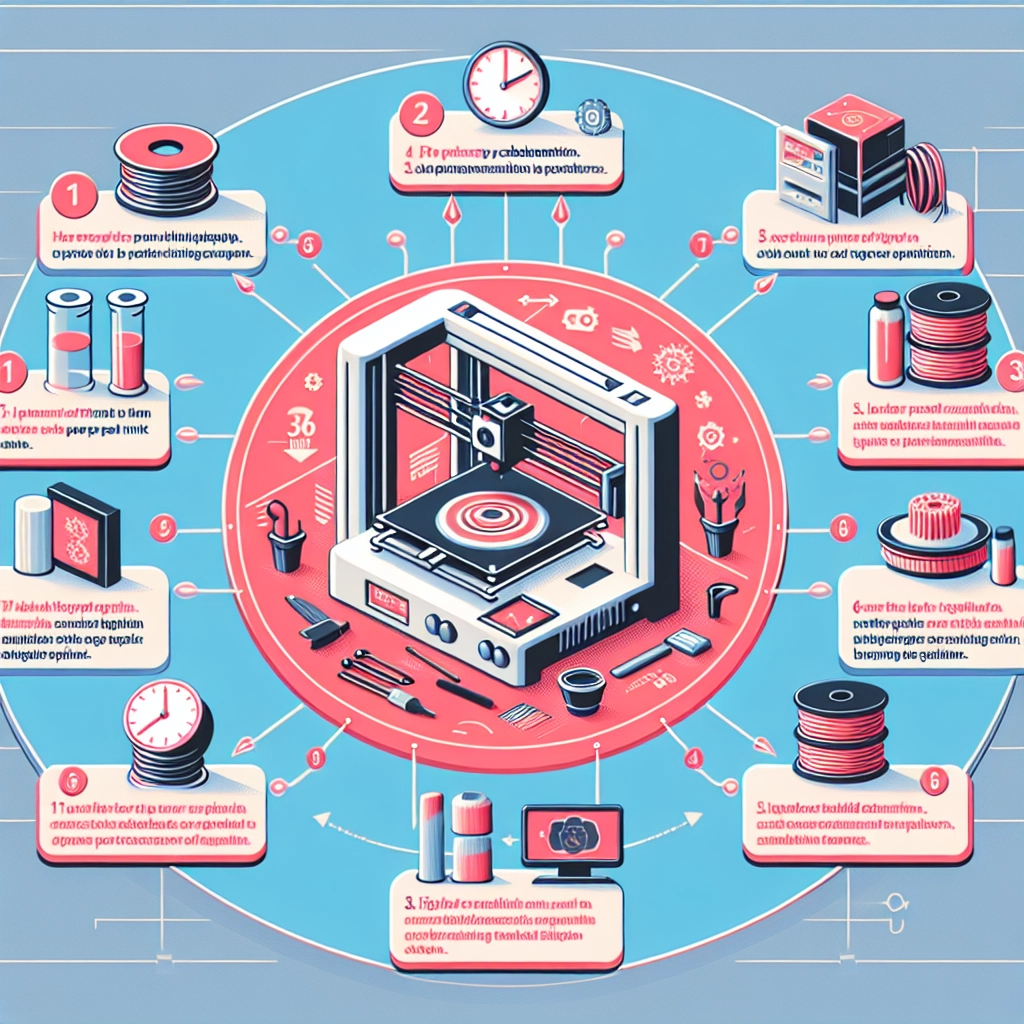
Top Tips for Beginners in 3D Printing
Welcome to the exciting world of 3D printing! Whether you’re diving into this technology as a hobby or with serious intentions, the journey can be exhilarating, filled with creativity and innovation. But, like anything new, it can also come with its fair share of confusion. Fear not, though! I’m here to equip you with some practical tips to help you get started on the right foot.
1. Do Your Research
Before you even touch a printer, take some time to understand the basics of 3D printing. There are various technologies, such as FDM (Fused Deposition Modeling), SLA (Stereolithography), and SLS (Selective Laser Sintering). Each one has strengths and weaknesses, so doing your homework will help you decide which technology and printer suit your needs best.
Dive into online communities, follow 3D printing blogs, and subscribe to YouTube channels dedicated to the craft. You’ll find a treasure trove of tutorials, reviews, and tips from fellow enthusiasts.
2. Start Small
If you’re new to the game, don’t jump straight into complex designs. Start with simple models. Websites like Thingiverse and MyMiniFactory have vast libraries of free designs that you can download and print. This will help you familiarize yourself with the printing process, from slicing the model to troubleshooting any issues that arise without the added stress of complicated designs.
3. Understand Your Printer
Invest time in learning the ins and outs of your specific printer. Every model has its quirks and required settings. Review the manual thoroughly, join user groups, and watch setup videos. Understanding your machine will save you headaches down the road and help you effectively troubleshoot problems.
4. Master Slicing Software
Slicing software converts 3D models into a format your printer can understand. It’s necessary to ensure your prints turn out exactly how you want them. Familiarize yourself with your slicing software’s settings—layer height, infill density, print speed, and temperature settings can significantly affect your print quality. Experimenting here on smaller models can be a great way to learn without committing to a larger print.
5. Calibrate, Calibrate, Calibrate
Nothing spells disaster in 3D printing quite like a miscalibrated printer. Spend time ensuring your printer is properly calibrated—bed leveling, nozzle height, and temperature are crucial. Many first-time printers skimp on this step only to be met with disappointing results. Your patience will pay off as you watch your prints turn out flawlessly!
6. Experiment with Materials
Different materials can yield vastly different results. PLA is often the go-to for beginners due to its ease of use and biodegradable properties. However, as you grow more comfortable, you might want to try ABS for its durability or PETG for its strength and temperature resistance.
Always make sure your printer is compatible with the material you want to try, and don’t forget to adjust the settings in your slicer accordingly!
7. Embrace Failures
Let’s be real: not every print will turn out perfect. In fact, many won’t. This is part of the learning process. Embrace those failures as they’ll teach you valuable lessons about what works and what doesn’t. If a print fails, take the time to analyze why it happened—was it a setting issue, a calibration issue, or maybe a problem with the filament? Understanding why something went wrong is more useful than any success you can achieve right off the bat.
8. Get Involved in the Community
The 3D printing community is one of the most supportive out there. From online forums to local maker spaces, there is no shortage of people willing to share their knowledge and experience. Don’t hesitate to ask questions, share your successes, and seek advice. You’ll find many like-minded folks who share your passion and are eager to connect.
9. Keep Up with Trends and Innovations
The world of 3D printing is constantly evolving, with new techniques and materials emerging regularly. Stay updated by following relevant blogs, joining forums, and attending industry events or local workshops. Being in the know will inspire your projects, keep your skills sharp, and ensure you’re using the most efficient and effective methods available.
Final Thoughts
Starting with 3D printing is an amazing adventure, filled with creativity and learning. By researching, starting small, and embracing the community, you’ll soon find yourself designing and printing unique creations. Remember that every great maker started somewhere. So gear up, get printing, and most importantly, have fun with it! Your imagination is your only limit. Happy printing!