


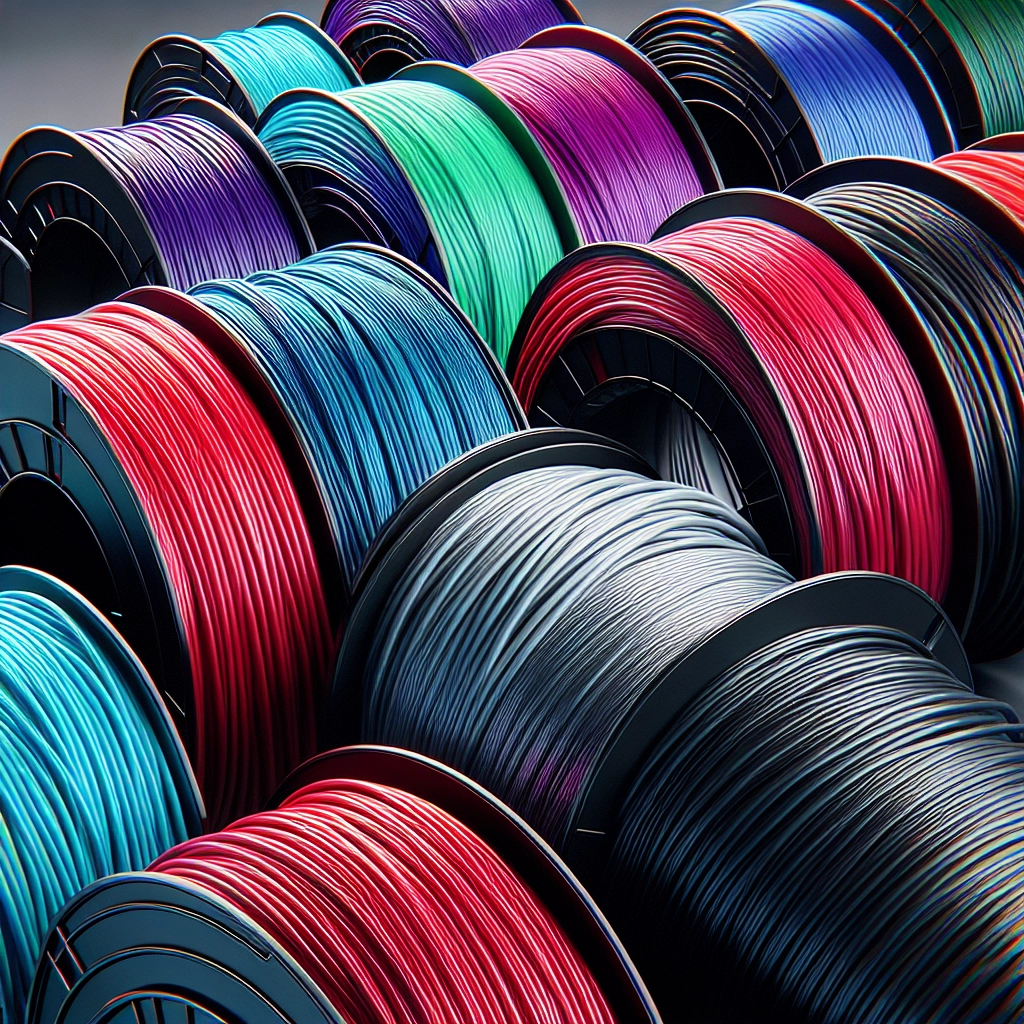
Testing the Limits: High-Performance Filaments for 3D Printing
If you’ve been dabbling in the world of 3D printing, you likely know that the magic often lies in the filament you choose. True, your printer matters, and the design makes a difference, but the filament is the unsung hero that can make or break your project. While standard materials like PLA and ABS work wonders for everyday prints, high-performance filaments are the real game-changers for those ready to push their printers to the limit. Buckle up as we dive into what high-performance filaments are all about and uncover the best options for your next ambitious project!
What Are High-Performance Filaments?
High-performance filaments are specialized materials engineered to withstand extreme conditions, be it temperature, stress, or chemical exposure. These materials are perfect for prototypes, functional parts, and even aerospace applications. While they often require a bit more finesse and knowledge in handling them, the results can be truly spectacular. Just picture printing a part that doesn’t deform under heat or withstands harsh chemicals—sounds pretty cool, right?
Types of High-Performance Filaments
Here are a few popular high-performance filaments that you might consider adding to your 3D printing arsenal:
1. Nylon
Nylon is like the superhero of the filament world. Known for its strength, flexibility, and durability, nylon is ideal for making functional parts that need to handle wear and tear. However, it can be tricky to print due to its tendency to absorb moisture and warp, so be sure to store it in a dry environment and consider using a heated bed for printing.
2. Polycarbonate (PC)
Polycarbonate is tough as nails. This filament is known for its incredible impact resistance and can withstand higher temperatures than most standard filaments. It’s great for applications that require both strength and clarity—think parts for optical devices or protective covers. But be aware that it can be challenging to print, requiring higher temperatures (around 270°C to 310°C) and sometimes a special nozzle, so make sure your printer is up to the task.
3. PEEK (Polyether Ether Ketone)
If you want to enter the elite league of high-performance 3D printing, PEEK is the champ. It’s a thermoplastic that stands up to extreme temperatures and harsh chemicals, making it suitable for aerospace and medical applications. However, it does require a specialized printer capable of reaching temperatures above 350°C. So while it may be on the pricey side and demanding in terms of setup, if you can handle it, the results are impressive.
4. ASA (Acrylonitrile Styrene Acrylate)
ASA is your go-to if you want something that resembles ABS but has the added benefit of UV resistance. It’s ideal for outdoor applications where sunlight may be an issue, such as garden tools and automotive parts. The only downside? Like ABS, it can warp, so again, a heated bed is a must!
Tips for Successful Printing with High-Performance Filaments
Switching to high-performance filaments involves some adjustments in your printing process. Here are a few tips to help you ease into it:
-
Temperature Control: Always double-check the temperature settings. High-performance filaments typically require higher extrusion temperatures. If your printer supports it, use an all-metal hotend for better heat management.
-
Bed Adhesion: Using the right bed surface is crucial. Materials like PEEK or polycarbonate may need specialized surfaces for adhesion. Consider using a PEI sheet or build plates made for high-temperature filaments.
-
Dry Storage: High-performance filaments can be sensitive to moisture. Keep them in airtight containers with desiccants to ensure they’re dry and ready to print.
-
Ventilation: Some filaments may emit fumes during printing (think nylon and ABS). If you’re printing indoors, good ventilation is key. Invest in an air purifier designed for 3D printing or set up your workspace near an open window.
Embrace the Challenge
Using high-performance filaments can elevate your 3D printing game to entirely new heights. Whether you’re making engineering prototypes, artistic designs, or functional parts that survive brutal conditions, these specialty materials can lead to incredible results. Sure, they may come with a learning curve, but the thrill of imaginative possibilities is well worth the extra effort. So, get ready to challenge the limits of your creativity—and your printer! These advanced filaments are waiting for you to test them out and discover just how far your 3D printing can go.