


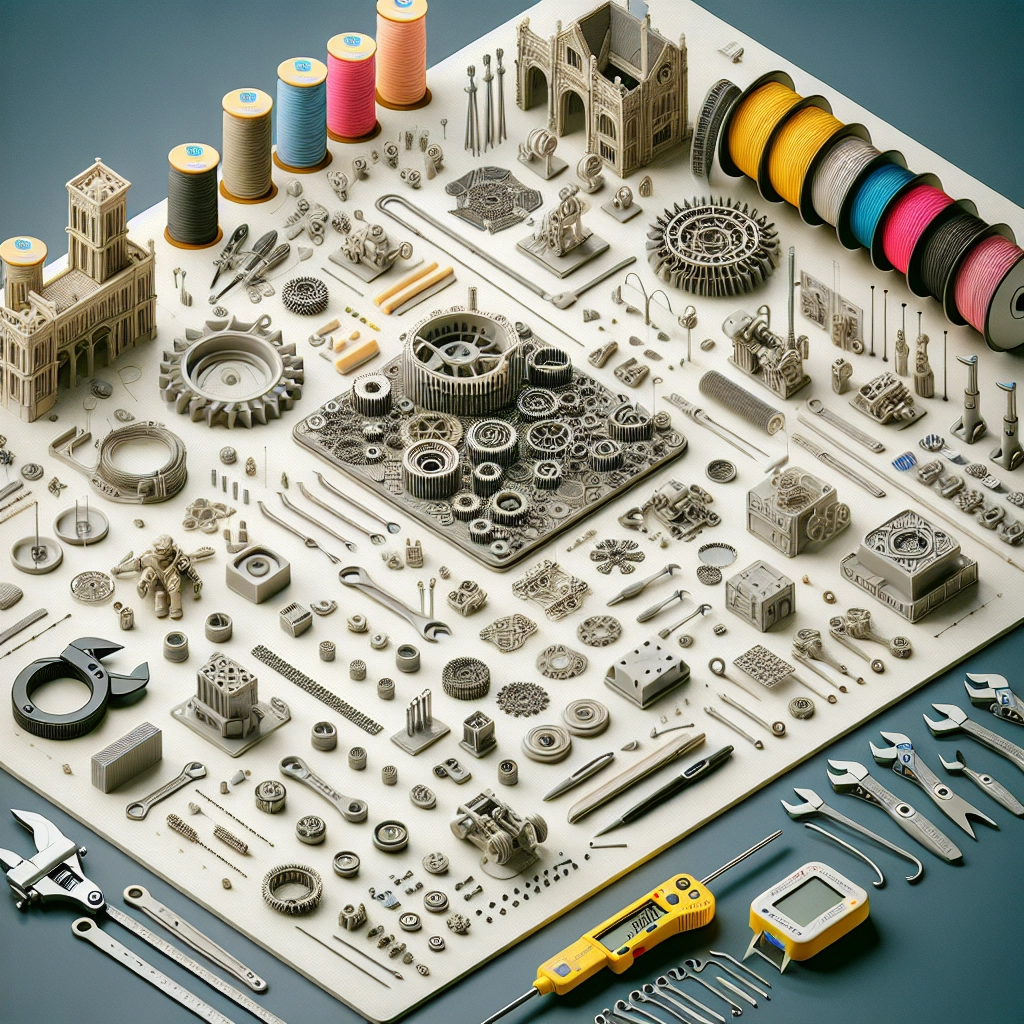
Functional Prototyping with 3D Printing: Tips and Tricks
In today’s fast-paced world of innovation and design, the ability to iterate quickly is key to success. For many engineers, designers, and inventors, 3D printing has rapidly become an invaluable tool for functional prototyping. Unlike traditional manufacturing techniques, which can be time-consuming and costly, 3D printing allows for the rapid creation of prototypes that can be tested, iterated, and refined. Whether you’re new to 3D printing or looking to enhance your prototyping skills, here are some tips and tricks to ensure you get the most out of your projects.
Start with the Right Materials
Choosing the right filament is crucial when it comes to functional prototyping. While PLA and ABS are popular choices, they each have their strengths and weaknesses. PLA, for example, is easy to print and has low warping, but it can be brittle and is not ideal for high-temperature applications. On the other hand, ABS is more durable and heat-resistant but can be challenging to print due to warping.
Consider using PETG for a good middle ground. It’s strong, flexible, and relatively easy to print, making it a fantastic option for many functional prototypes. If your project requires more specialized properties, such as flexibility or high strength, don’t hesitate to explore options like TPU or nylon.
Embrace Design Iteration
One of the primary advantages of 3D printing is the ability to quickly iterate designs. When creating a prototype, don’t be afraid to make adjustments based on feedback or test results. Utilize modular designs that allow for easy changes; this can include detachable components or sections that can be adjusted without starting from scratch.
Software like CAD (Computer-Aided Design) programs can aid in this process. Many have features that allow you to simulate stress or functional performance before you even print. Embrace this iterative design process—failure is just as vital in prototyping as success because each misstep provides clues on how to make your product better.
Optimize Print Settings
When it comes to 3D printing, the settings you choose can make a world of difference in your prototype’s performance. Layer height, infill, and print speed all have implications on strength, durability, and detail.
-
Layer Height: Thinner layers usually yield greater detail but take longer to print; while thicker layers are faster but can lack precision. A balance is key—typically, a layer height between 0.1mm and 0.2mm is optimal for functional prototypes.
-
Infill Density: Depending on the weight and functional requirements of the prototype, try varying your infill density. For functional parts that will endure stress, a higher infill (like 50% or more) will provide the strength you need. However, for aesthetic prototypes or parts that don’t need to bear loads, a lower density can save material and print time.
-
Print Speed: Slower speeds often lead to improved precision, but they can extend print times significantly. A speed of around 40-60mm/s is typically a good starting point.
Post-Processing Matters
Don’t forget that the finished printed prototype may need some love to reach its full potential. Post-processing can enhance durability and aesthetics, including sanding, painting, or even smoothing the surface with techniques like acetone vapor baths (for ABS).
If your prototype has moving parts, ensure they’re not fused together during printing. Design tolerances appropriately to avoid friction. In cases where parts require added flexibility, using a lubricant post-print can make a huge difference.
Test, Rinse, Repeat
Once you have your prototype, it’s time to put it through its paces! Performing real-world testing should be an integral part of your prototyping process. Ensure you assess its functionality under conditions it’s likely to face in use. Keep track of performance issues or breakdowns—these will guide the next round of design iterations.
Remember, 3D printing is not just about creating a model; it’s about learning what works and what doesn’t in an efficient cycle of testing and refinement. Each iteration brings you closer to a viable product.
As you navigate the world of functional prototyping with 3D printing, embracing the technology’s limitations and strengths can prove to be your best ally. It’s all about creativity, resourcefulness, and a willingness to experiment. So, roll up your sleeves, spark your imagination, and get to prototyping—the next big idea is just a print away!