


How to Select the Best Filament for Your 3D Printing Needs
3D printing has exploded in popularity, and if you’ve jumped onto this fascinating bandwagon, you might be wondering what filament you should be using. With so many types available, it can feel overwhelming. Each filament type comes with its own unique characteristics, making some more suitable for certain projects than others. So, how do you choose the best filament for your specific needs? Let’s break it down.
Understand the Basics of Filament Types
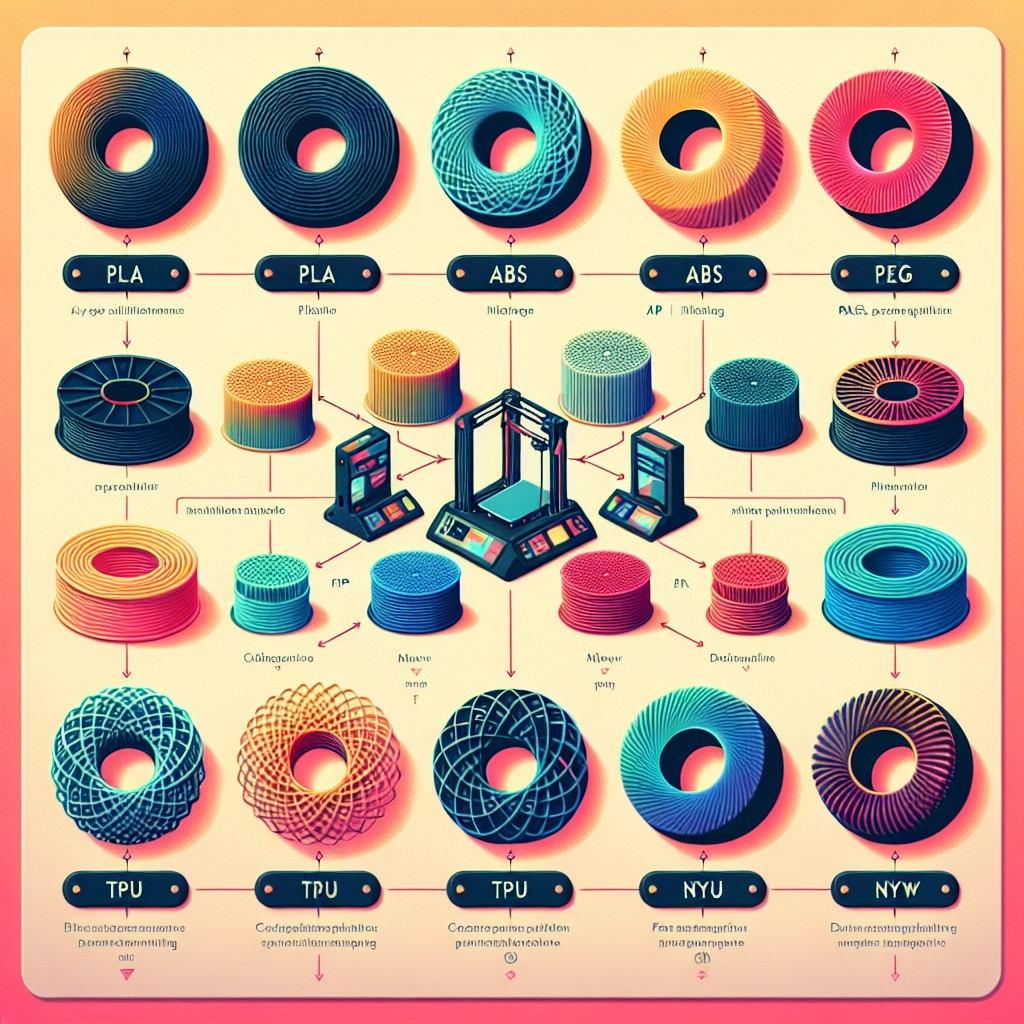
There are a few popular materials that are widely used in 3D printing, each with their own set of properties. Here are some of the big players:
-
PLA (Polylactic Acid): This is often the go-to for beginners. It’s easy to print with, biodegradable, and available in a rainbow of colors. PLA is a great choice for prototypes, detailed prints, and even decorative items. However, it may not hold up as well under high temperatures or stress.
-
ABS (Acrylonitrile Butadiene Styrene): Known for its strength and heat resistance, ABS is the material used in many household items (think LEGO bricks!). However, it can be tricky to print—it’s prone to warping and can emit fumes, so make sure your workspace is well-ventilated.
-
PETG (Polyethylene Terephthalate Glycol): This is a favorite for many intermediate to advanced users. PETG combines the best of PLA and ABS: it’s easy to print, durable, and resistant to impact and moisture. Plus, it’s food-safe under certain conditions, which could be a bonus.
-
TPU (Thermoplastic Polyurethane): If you’re looking to print flexible objects, TPU is the way to go. This material is stretchy and durable, perfect for items like phone cases or flexi-toys. However, it can be a bit challenging to get the printing settings just right.
Consider the Project Requirements
The first step in selecting the right filament is to think about what you’re trying to create. Are you looking to make something that needs to withstand high temperatures or physical stress? Or are you more focused on aesthetics and detail?
For example, if you’re designing a prototype that will be handled frequently and might get knocked about, you might want to lean towards PETG or ABS. On the other hand, if you’re creating a decorative piece or a model, PLA may be your best bet due to its ease of use and the vibrant colors available.
Think About Printing Settings
Each filament type has its own recommended printing temperature, bed temperature, and cooling requirements. Before making your purchase, check what temperature range you can achieve with your 3D printer. Some materials require a heated bed or an enclosed printing environment for best results. If you’re limited by your printer’s capabilities, it might help narrow your filament choices.
Tip: Always check your printer’s specifications. Some entry-level printers might only handle PLA and maybe a little PETG, while more advanced models can handle ABS, TPU, or even nylon.
Factor in Cost and Availability
Filament costs can vary significantly, so it’s a good idea to consider your budget. PLA is generally affordable, while specialty filaments like Nylon or carbon-fiber-infused options can be pricier.
Availability is another consideration. Some specific filaments may be harder to find locally, and purchasing online can lead to long shipping times. Make sure you can find a reliable source for the filament you choose.
Experiment and Have Fun
One of the best parts about 3D printing is the ability to experiment. Don’t hesitate to try out different filaments. You might discover a new favorite, or find that some materials offer properties you hadn’t considered.
Joining online communities or forums can also provide fantastic recommendations and tips on filament usage for specific projects. Experienced users often share their insights on what worked for them and what didn’t, making it easier for you to navigate your filament choices.
Choosing the right filament really boils down to understanding your specific project needs while also keeping in mind your printer’s capabilities. With a little research and a willingness to experiment, you’re bound to find the perfect filament to bring your creations to life. So, gear up, get creative, and happy printing!